Since the Pacific Seabird Group conference was being held at the Aqua Palms Hotel and rooms were $279 + taxes per night without the $40 extra person surcharge, we had the bright idea of camping in the van. This gave us transport, a bed and cooking facilities. Kaua’i camper van rental had suggested camping at Kumu camp “only 20 minutes away” from the conference site. Seemed like a good idea so I booked us in to Kumu for 6 nights. We lumped and bumped through the sand, past a raggedy sign, some tent structures that have seen better days with the Kaua’i red sand colouring until we arrrived at Site 8 in a roaring gale! This campsite, at three times the cost of the county campgrounds certainly didn’t look the idyllic web-site campground. The wind roared and as we tried in vane to set up the the Canadian Tire tent with a small tarp, the campground attendant came by to greet us.
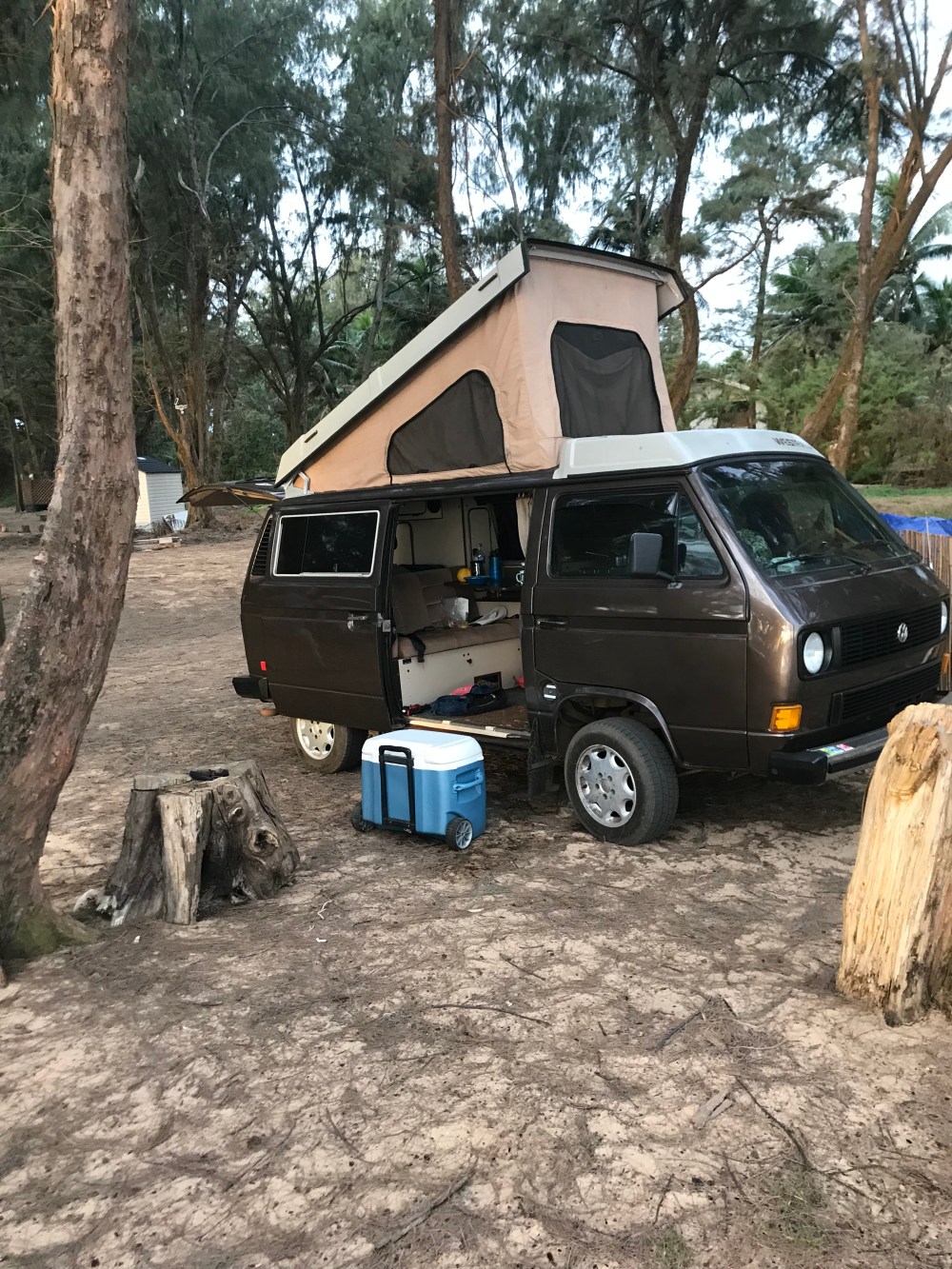
She gave us the washroom code and warned that if the shower didn’t get hot, the pilot light might have blown out in the wind!
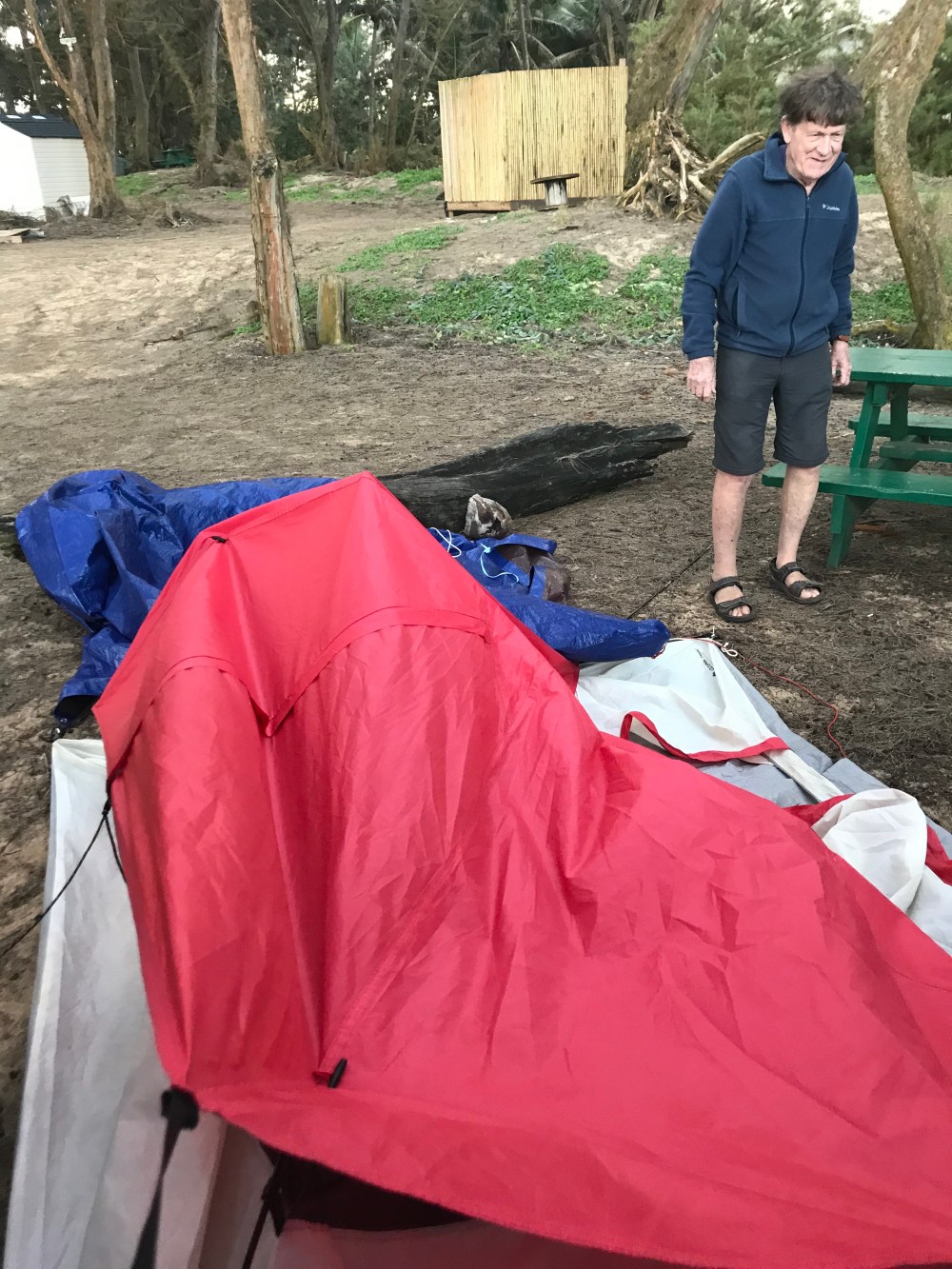
We looked for anything that could hold our tent and tarp down, but could only find empty coconut shells, We tried tying the tiny tarp to the windbreak fence and the picnic table. Nothing seemed to work, even doubling up on the fly just made the tent collapse. Reluctantly admitting defeat, Ian and I packed up the tent and stowed it.
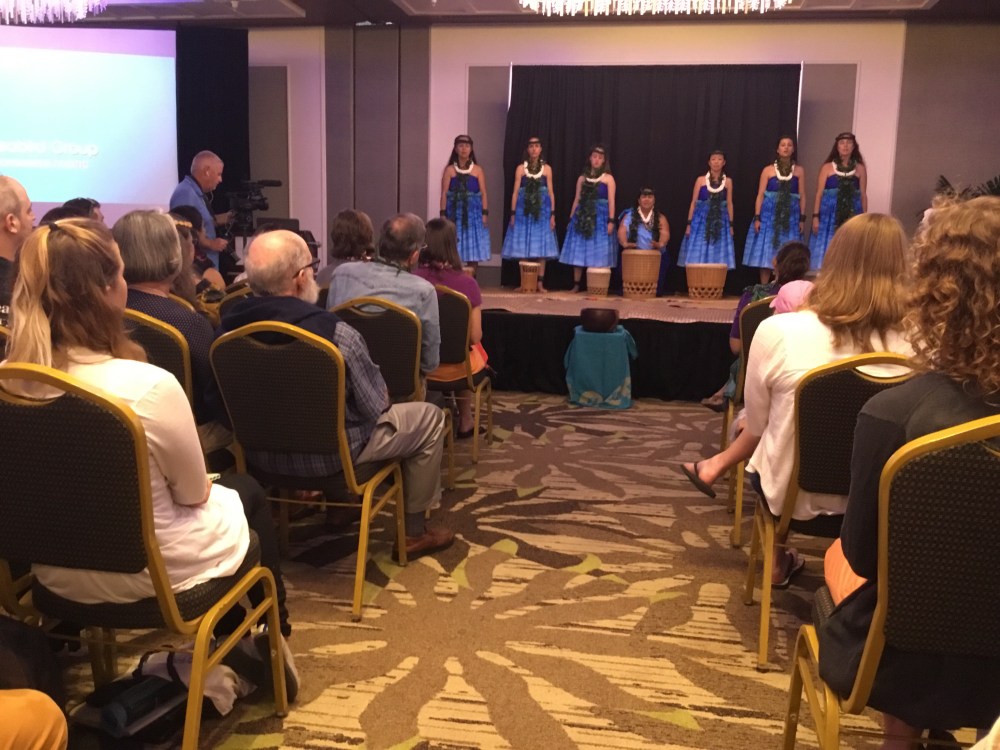
Next on the agenda was attending a sacred Hawaiian water and opening ceremony. Sabra (a Hawaiian Cultural leader) led the ceremony,, that started with greetings and a song. Then we were asked to bring water from our home streams and waters to mix with sacred sea salt and be sprinkled for inspiration and knowledge to protect the land and sea. Water came from Kaua’i’s streams, mountain snowmelt, Antarctica, New Zealand, Chile, across America and even a garden in Ottawa. It was all placed in a wooden bowl and Sabra laughing, spread it on the entire crowd. This was followed by traditional hula and drumming ceremony. Quite inspirational to learn and be part of “Aloha” culture.
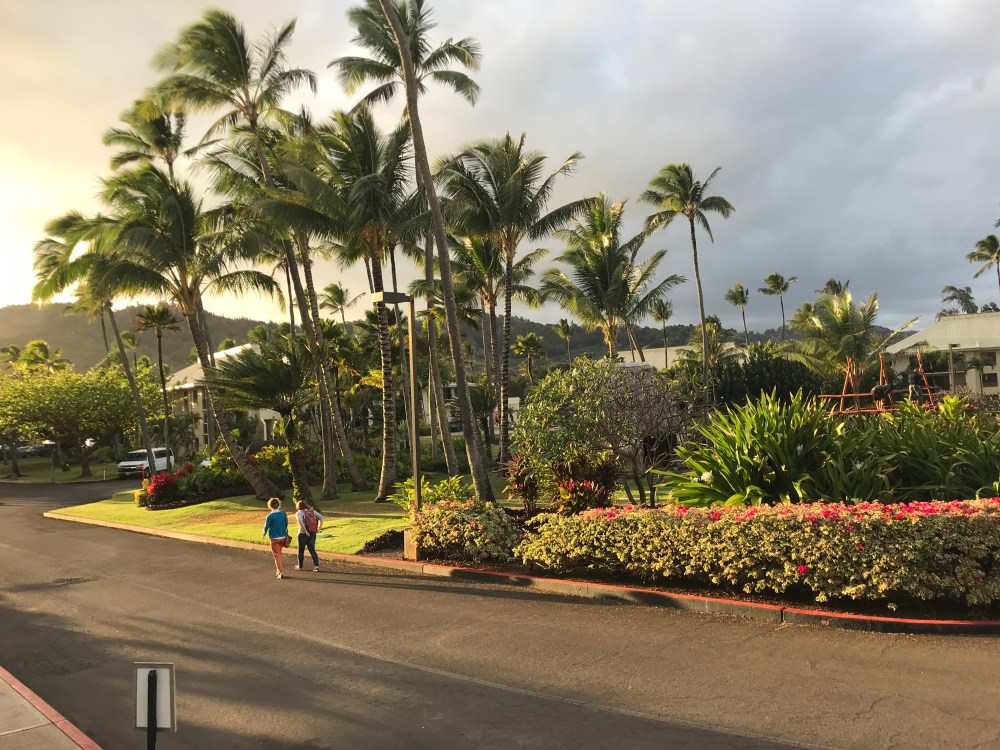
As I am the Canadian representative to PSG, I was slated in to attend, look decent and speak at the Executive Committee meeting at 8:00 am. This involved getting up, getting ready, putting stuff away, putting down the pop-top, a 1/2 hour drive through Kapa’a and a traffic jam, parking and finding the room for the meeting. It wasn’t that easy, but we managed. Liz was consoled by the presence of hotel wifi. The pool was quite beautiful and gardens lovely with swaying coconut palms and all, but the wind was gusty and decidedly cool, so not many swam.
It was great to see the hard-working group from Executive Committee. Our main function is to facilitate the conference each year and maintain financial solvency for the Pacific Seabird Group. We discuss how to facilitate funding for students that will be the next generation of biologists, how to further seabird conservation and work planning, budget etc. If it wasn’t such a nice group, it would seem like work. The part I like is finding out the interesting projects that fellow Canadian biologists are doing and summarizing the work.
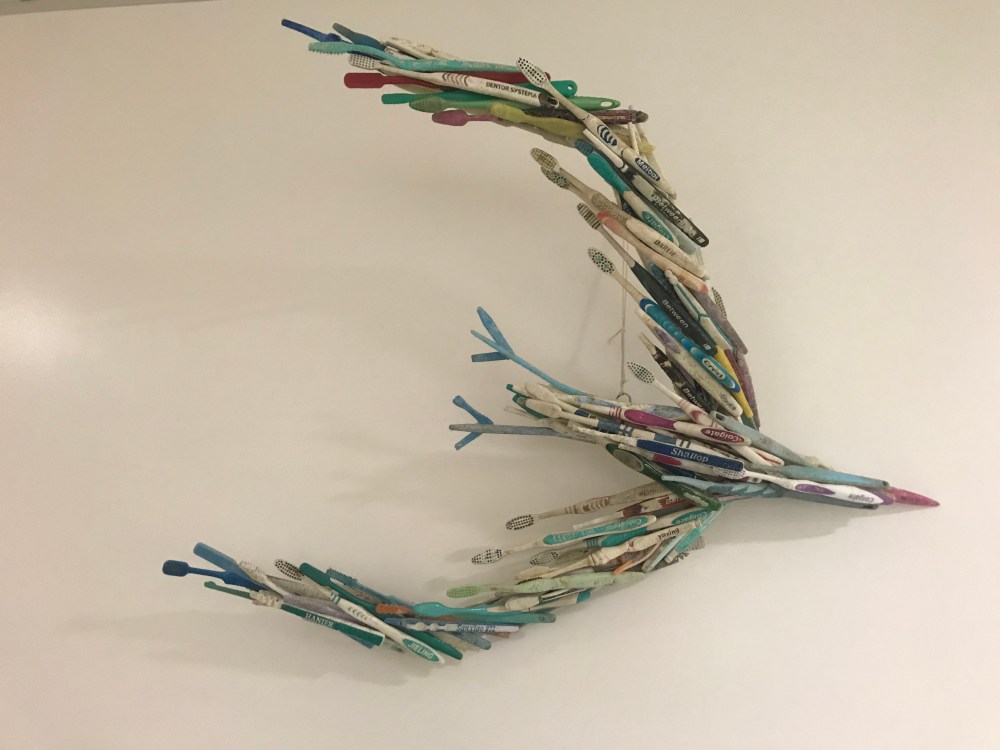
Mark Rauzon, the conservation chair is an inspiring person. He gave a rather illuminating talk about the biowarfare testing the US government conducted in the mid Pacific Islands using seabirds as vectors for spreading anthrax, encephalitis and tick -born diseases. This information was declassified and top secret. US veterans affected by these tests were never recognized or compensated. It was a biowarfare race for cold and hot wars. Kind of a dark subject.
There were very interesting talks about seabird restoration projects in the Hawaiian Islands, our Ancient Murrelet wintering patterns. Some birds leave Haida Gwaii, head up to the Bering Sea then fly across to Japan for wintering, while some head right down our coast to Vancouver Island. What impresses me is the sophisticated equipment used to tag birds and the complex analysis being conducted. This afternoon I attended a session about some of the social issues surrounding seabird conservation. Sadly, there are increasing challenges including climate change, fishery interactions, introduced predators and loss of habitat for the ocean wanderers and it appears that seabirds are decreasing world-wide. Such an enthusiastic and brilliant group is set to meet the challenges.
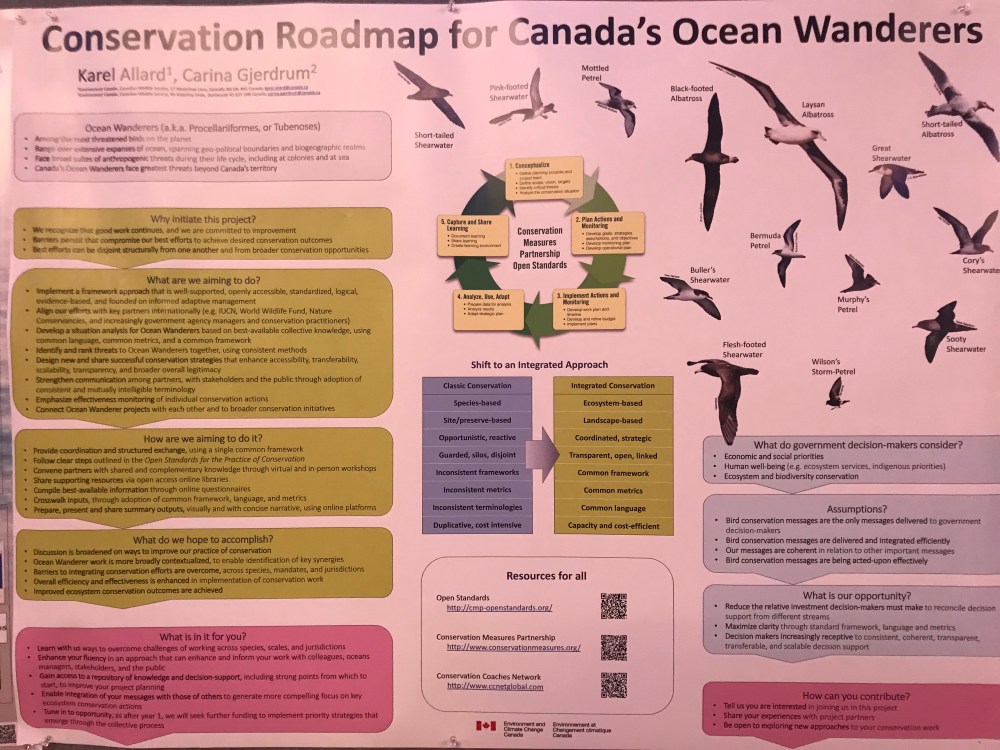
Canada’s Ocean Wanderers poster
I had more written on this post about the field trip to Wailua National Refuge, however you will have to excuse my bumbling about with the blog, so I just include a few photos.
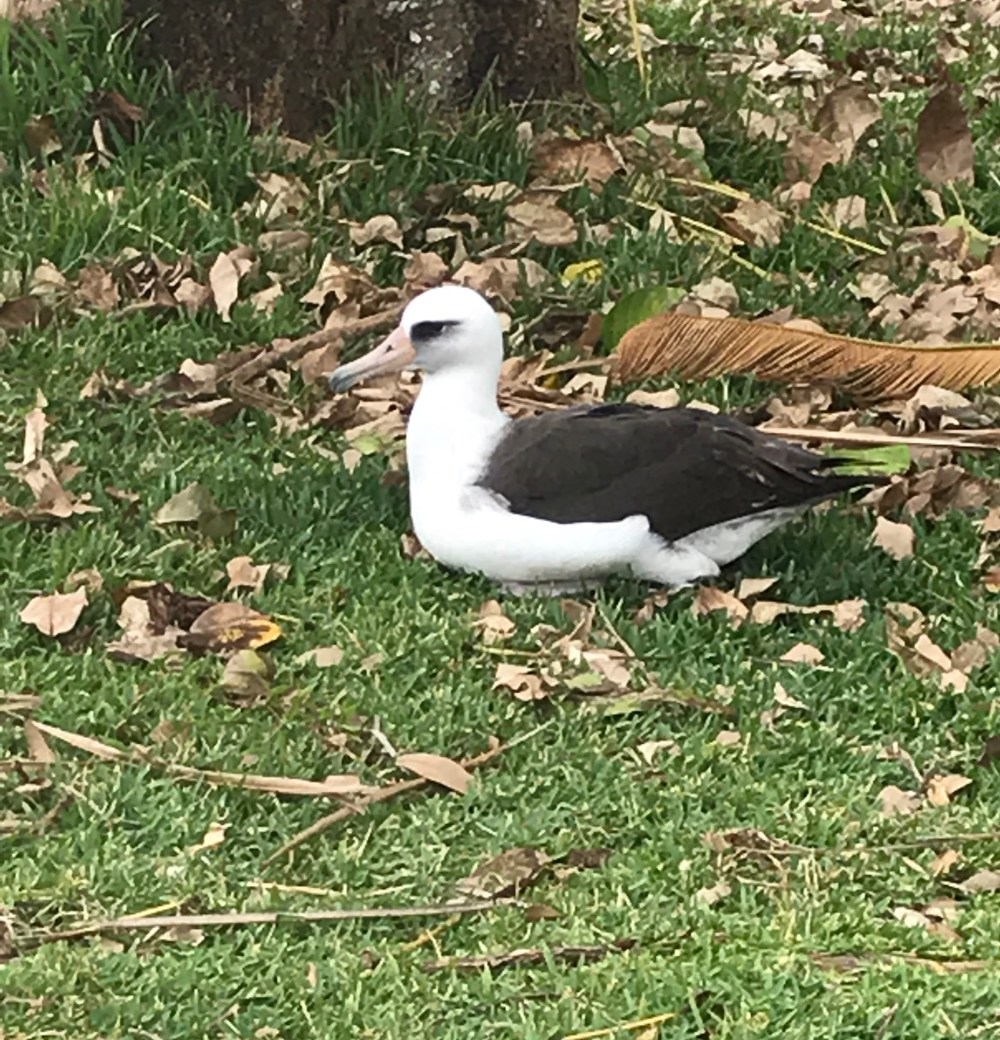
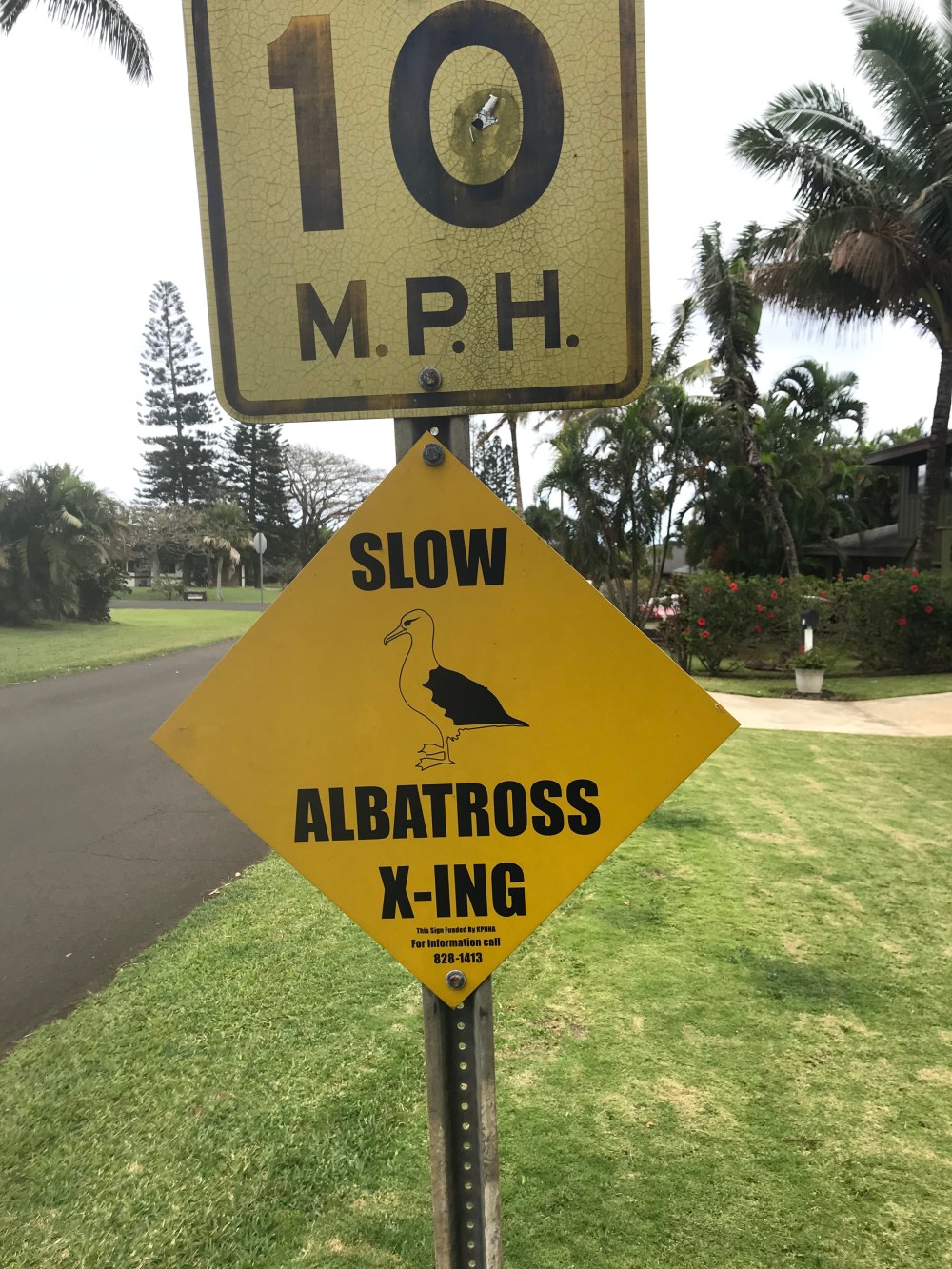
Laysan Albatross at Princeville
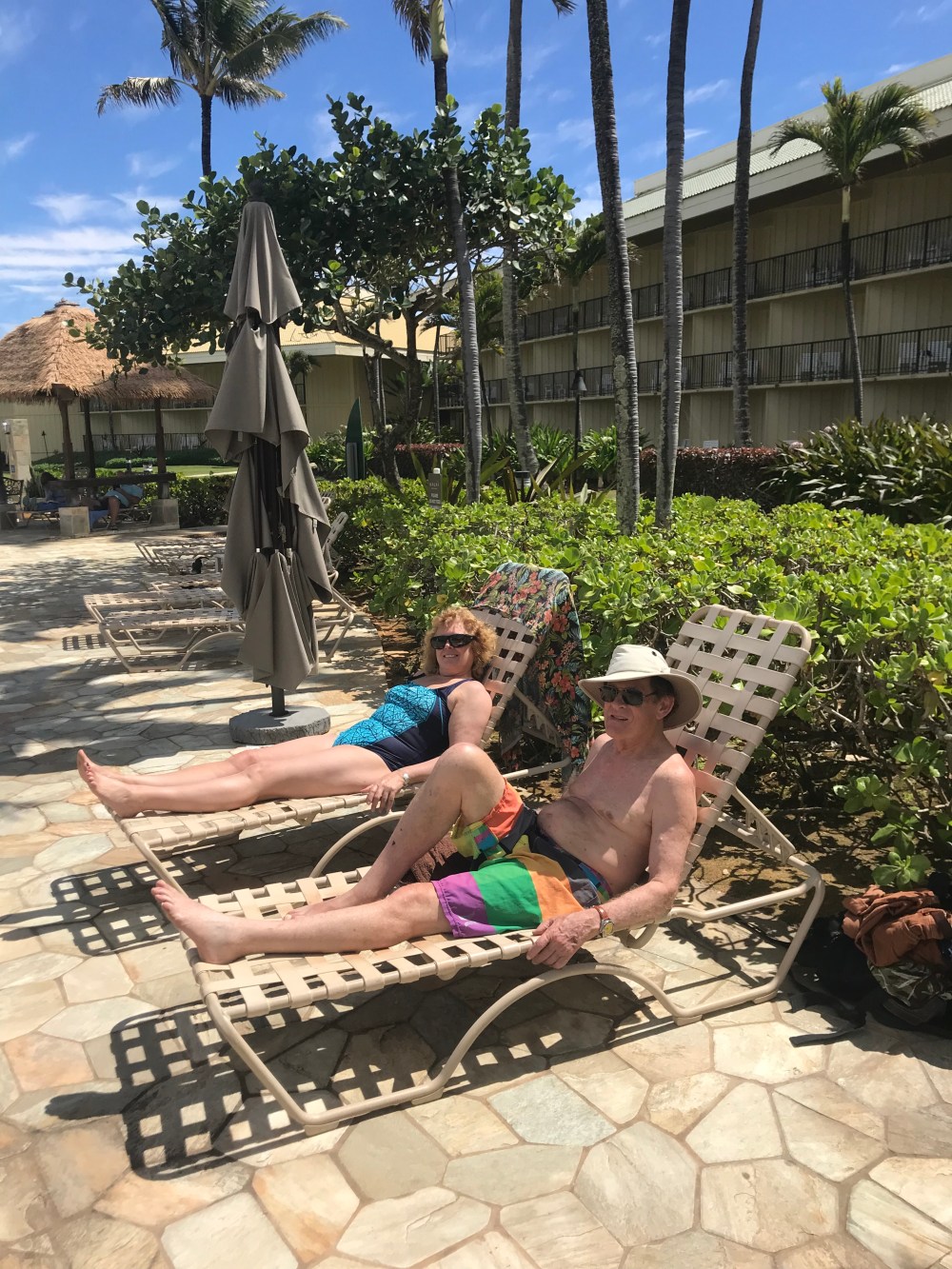

 Trudy’s Pacific Adventures