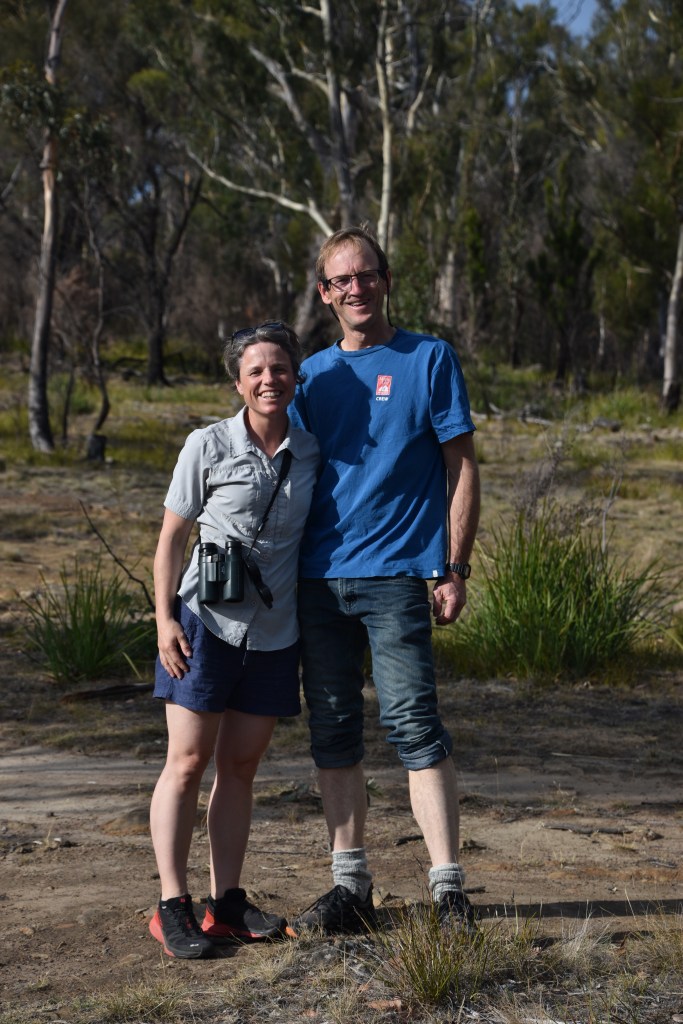
Some years ago, I met Heidi and Stephen while I was working for Maple Leaf Adventures the SV Maple Leaf in Haida Gwaii. To know Heidi and Stephen is to know true adventurers! They left Canada on their sailboat, Narama in 2012 to sailed to Mexico, Galapagos, Tuamotus, New Caledonia, Australia and in a round about way to Tasmania, where they now make their home in Hobart. I was very fortunate to meet up with Steve and Heidi as they came off their work in Antarctica as guides, operational manager (Steve) and boat drivers. A link to their blog regarding their latest adventure is http://www.berylsvoyage.wordpress.com Steve and Heidi were only home six weeks last year!
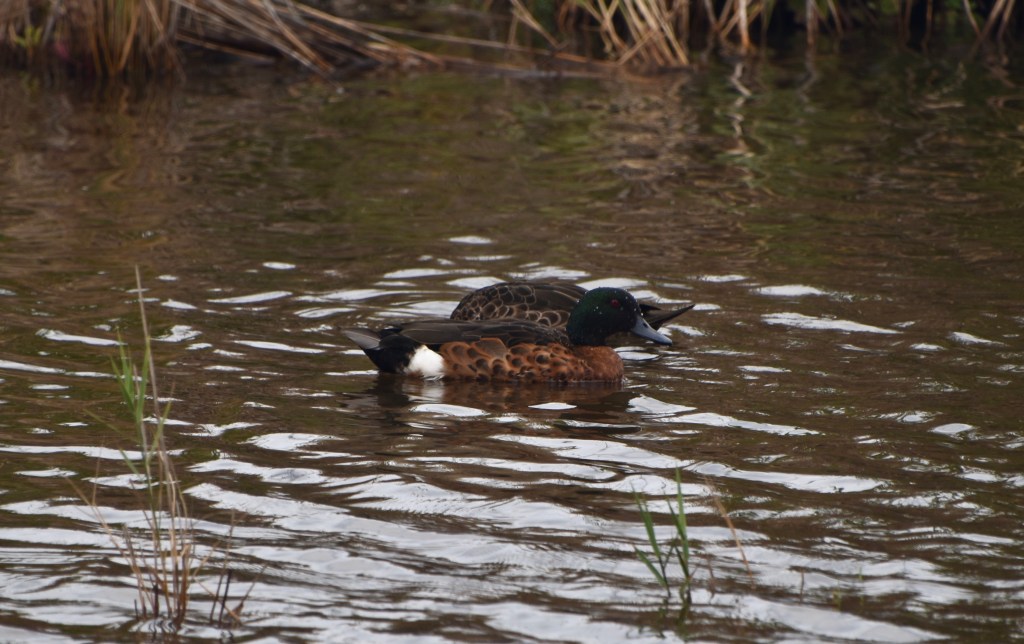
They picked me up at the airport and immediately I was introduced to Orielton Lagoon wetland with Red-necked Stints, Golden Plovers, Cinnamon Teal and a very odd duck called the Musk Duck. Eastern Rosella (a parrot) was foraging in the blossoms in a gum. tree.
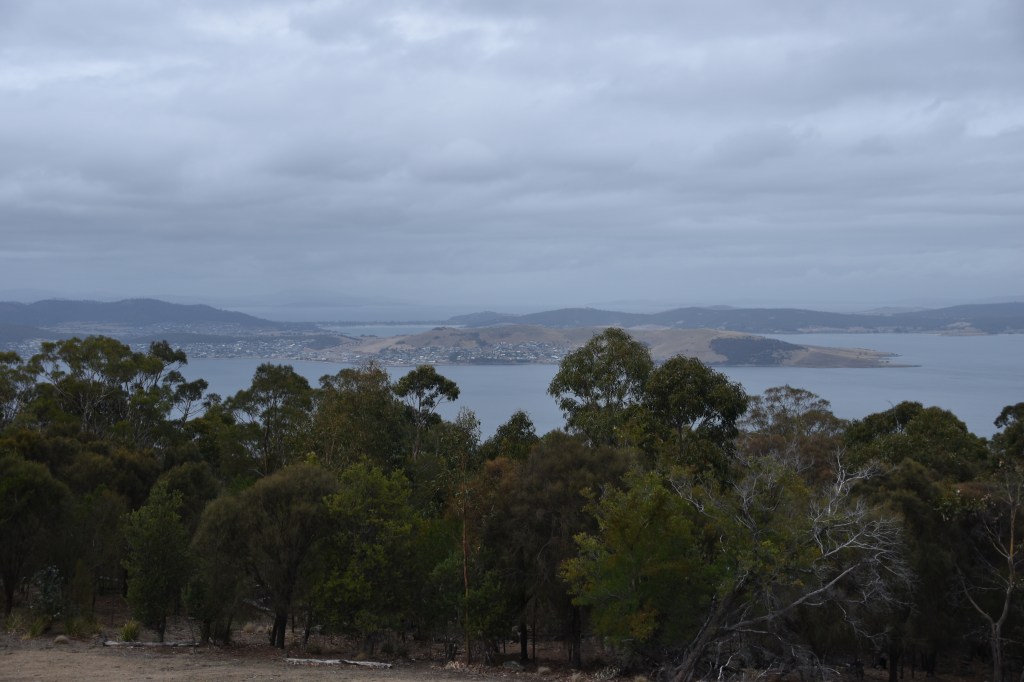
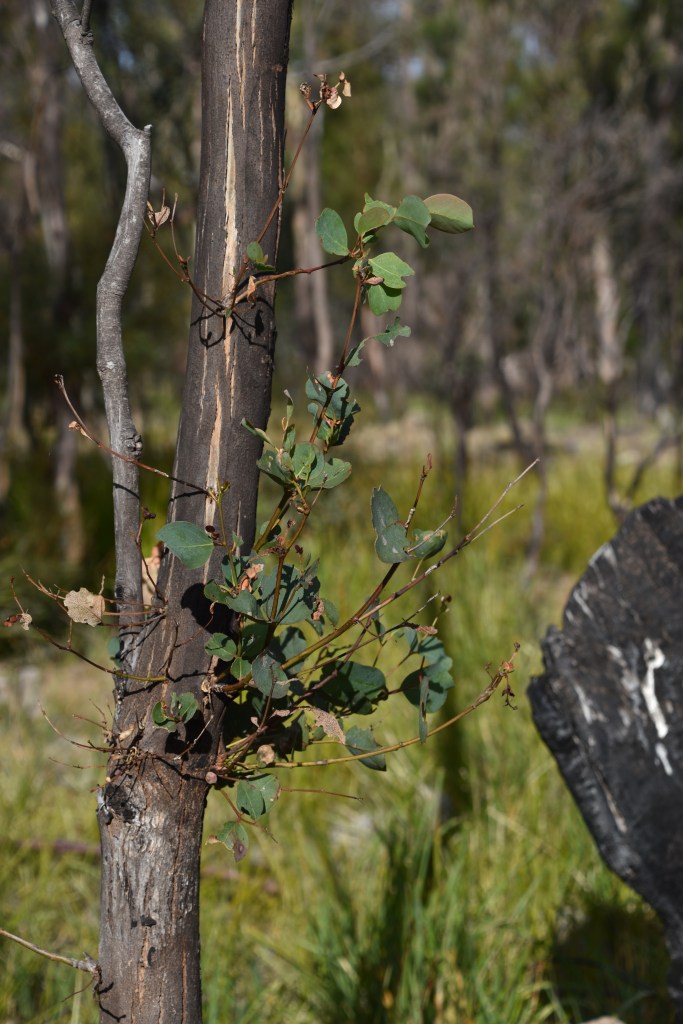
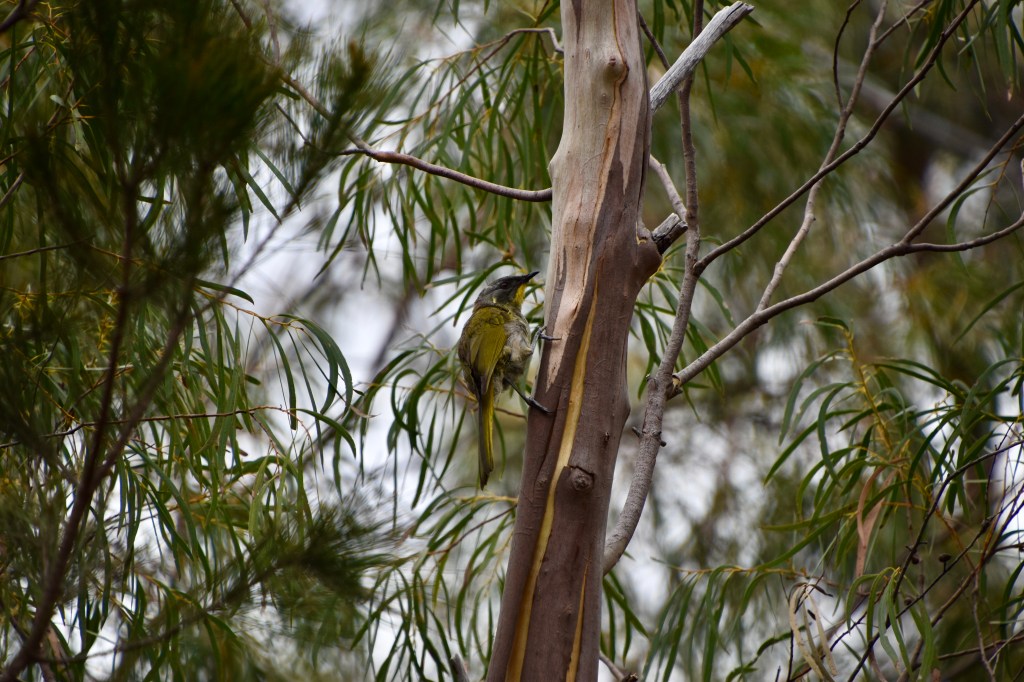
After that, we never really slowed down. . . Adventures were being planned, food packed, and gear sorted. In between all the planning, we walked in the Truganini Reserve adjacent to their home on Mt. Nelson. Truganini, was the last living full-blooded Tasmanian Aboriginal women. Her life was an incredibly sad story of colonial cruelty. Truganini was moved in and out of jails and abused terribly in life and even in death for no reason other than race. It is a very sad irony, that only recently are a people recognized in name, by the time Aboriginal heritage was actually nearly extinct.
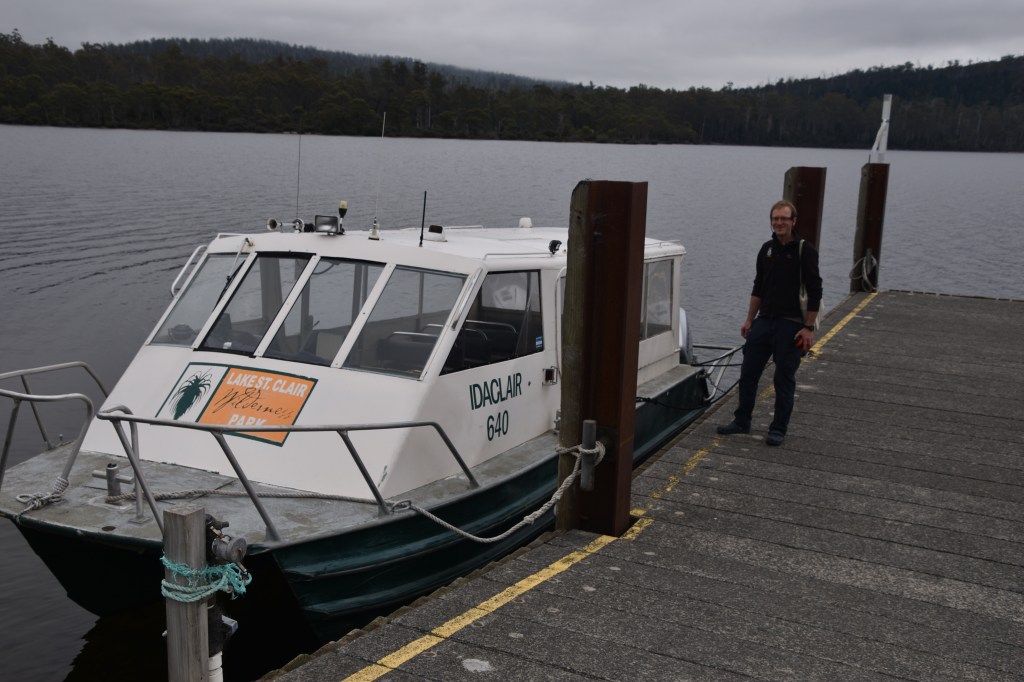
We packed our backpacks, picnic lunches, car camping gear and food into the car and departed early for the 4 to 5 hour drive north west across the entire island of Tasmania. First, we crossed the bridge over the mouth of the Derwent River and then followed the river course north-west through both farming land and small historic towns such as New Norfolk, Hamilton and Rethna Green. We pulled over for a road-killed Wombat with the thought that perhaps it had a joey in its pouch. Sadly, there are a lot of road kills in Tasmania as people do drive when the mammals are out in early morning and night. Our first stop for morning tea was Lake St. Clair National Park. Stephen had worked as a ferry driver for trekkers coming off the Overlander trek and Heidi worked in the lodge. Lunch followed a walk along the Franklin River Nature track. There is quite a sordid history of Lord and Lady Franklin in Tasmania as they were the first governors here before his fabled misadventures to the Northwest Passage in Canada.
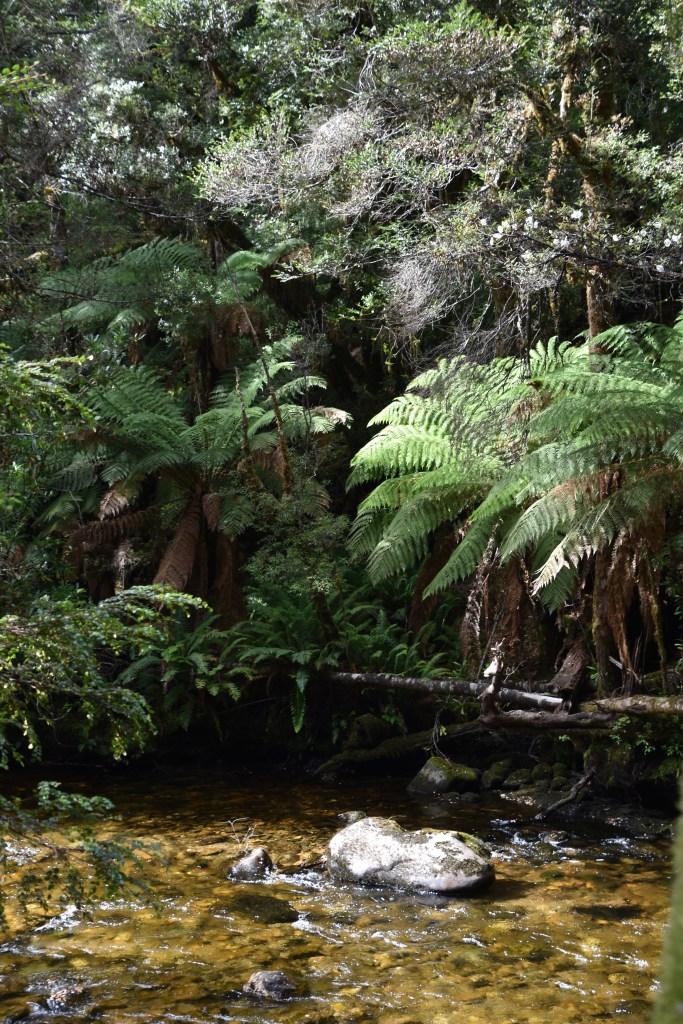
Similar to our Vancouver Island history, Tasmania was heavily targeted for forestry and mining. There are still environmental struggles to save old-growth forests in Tasmania. The main battles were in the 1980’s over proposed damming to Franklin River. On this adventure we were travelling through the Tasmania Wilderness World Heritage Area (which includes 7 national parks in Tasmania). Our walk in the protected Franklin River Nature Park featured beautiful myrtle trees (actually a beech) and eucalyptus forest. So luckily, the Leatherwood tree was in bloom. The Leatherwood tree features beautiful white blossoms which make great tasting honey. It was almost surreal to see the flowering tree dropping petals into the babbling stream which was shaded by tree ferns and forest.
However this bliss of the river walk was over-shadowed at the picnic which was interrupted by crazy buzzing of March flies and a park operator leaf-blowing the leatherwood petals! I learned of the Australian salute (brushing the flies away from one’s face!)
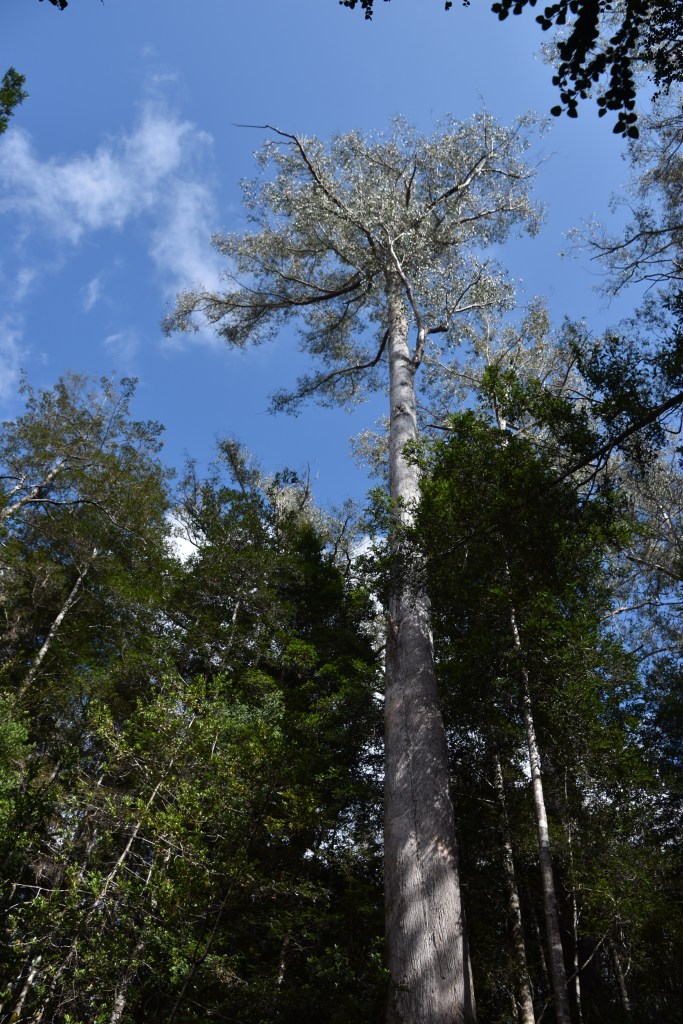
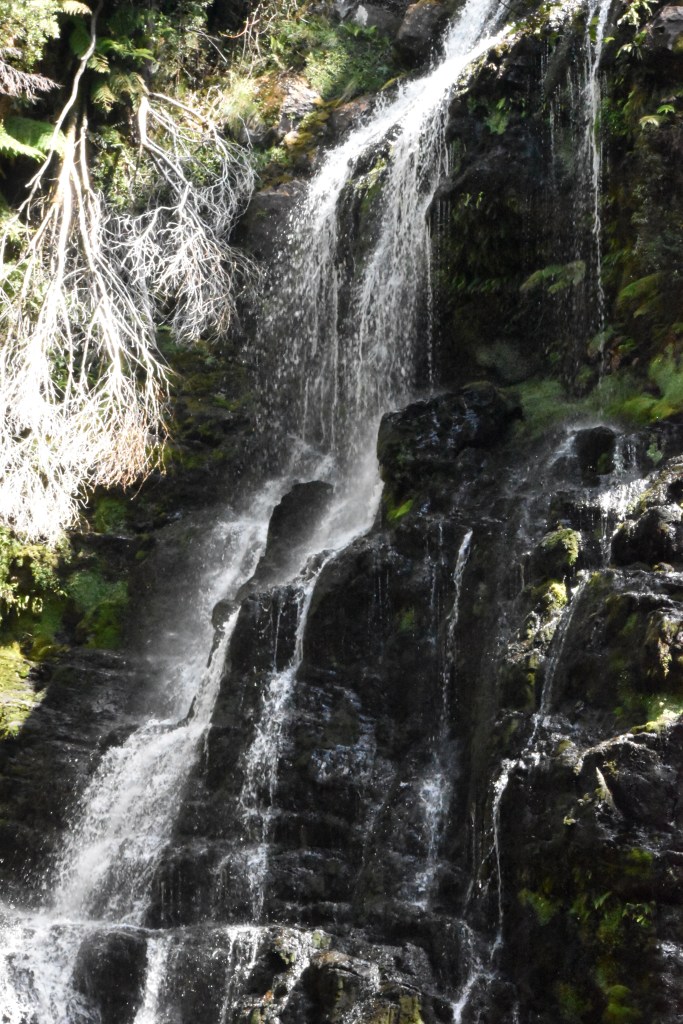
It was a short drive past Queenstown to the dirt track that lead to accessing Mt. Tyndall. Queenstown was a mining town and many of the peaks such at Mt. Murchison, Mt. Lyell, Mt. Sedgewick were named after British geologists. Do these names sound familiar? Many of the islands and bays in Darwin Sound, Haida Gwaii were named by geologist and explorer, George Dawson. Cool connection to another favourite place.
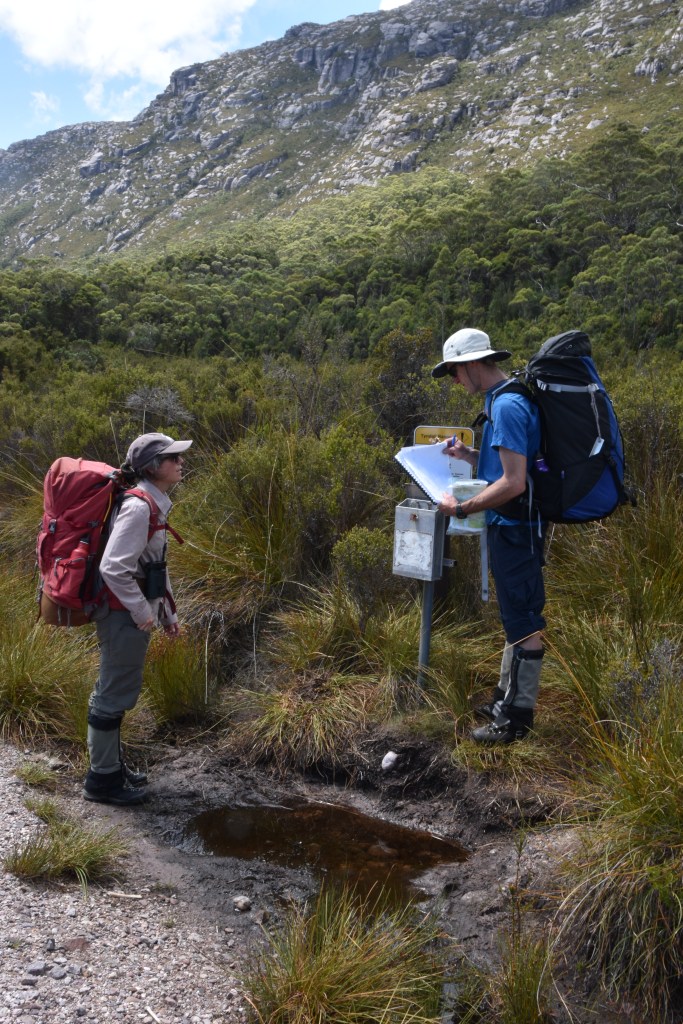
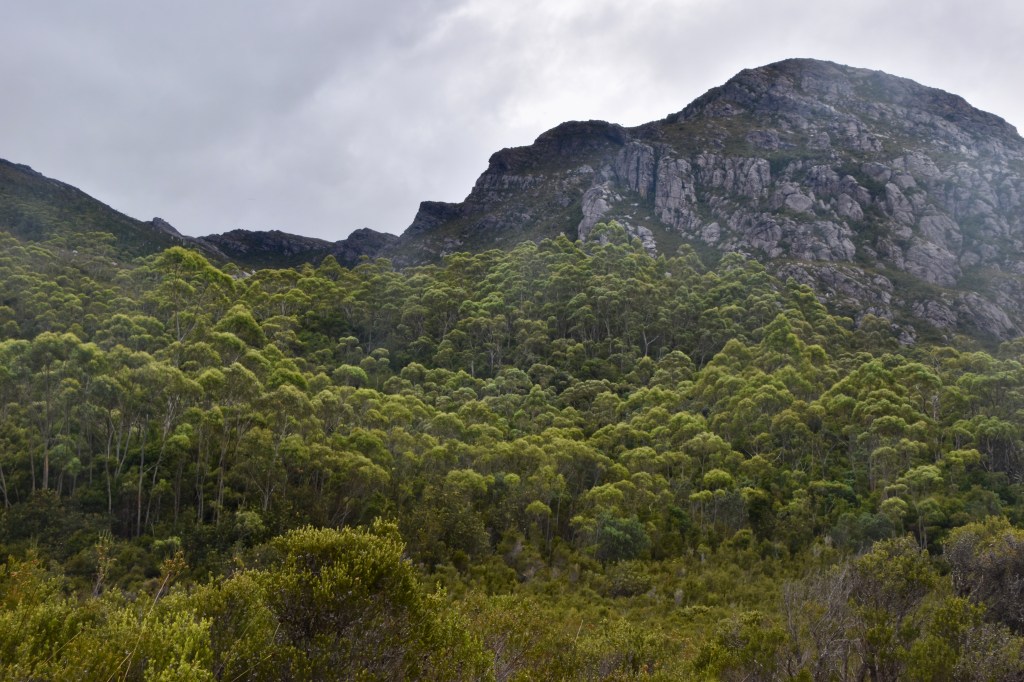
Our two hour hike up to camp at the Tyndalls was pretty steep and hot. The narrow track wound through gum forest at the bottom, then through glacial erratic boulders and heath. I was in a sweat and glad of the stops for drinks and rest. “Shall we take 5 minutes?” Steve would say when I finally caught up.
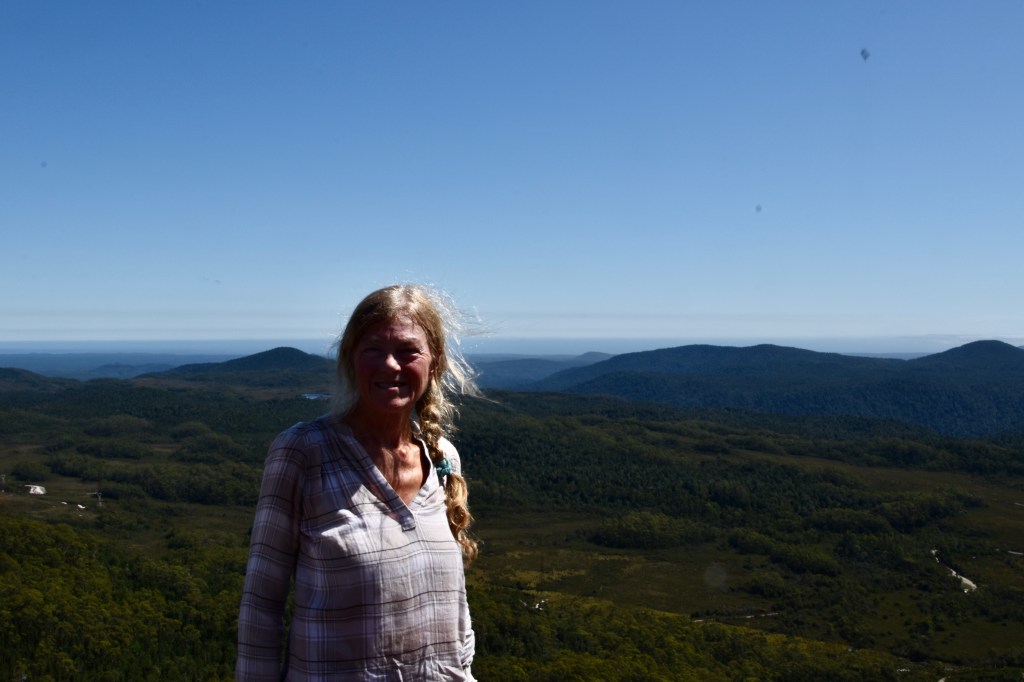
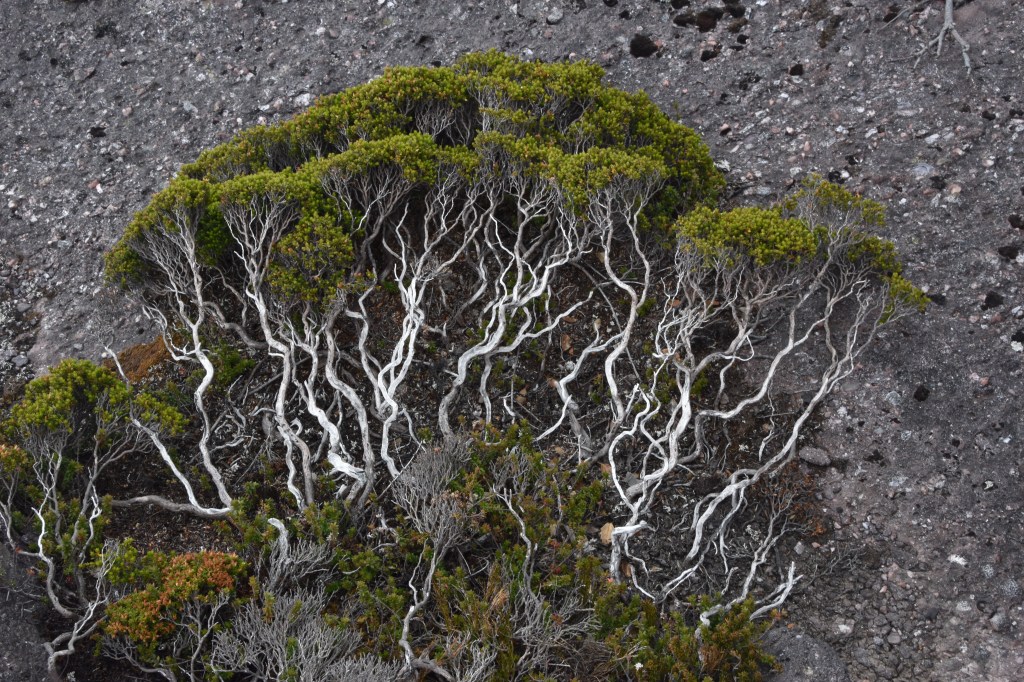
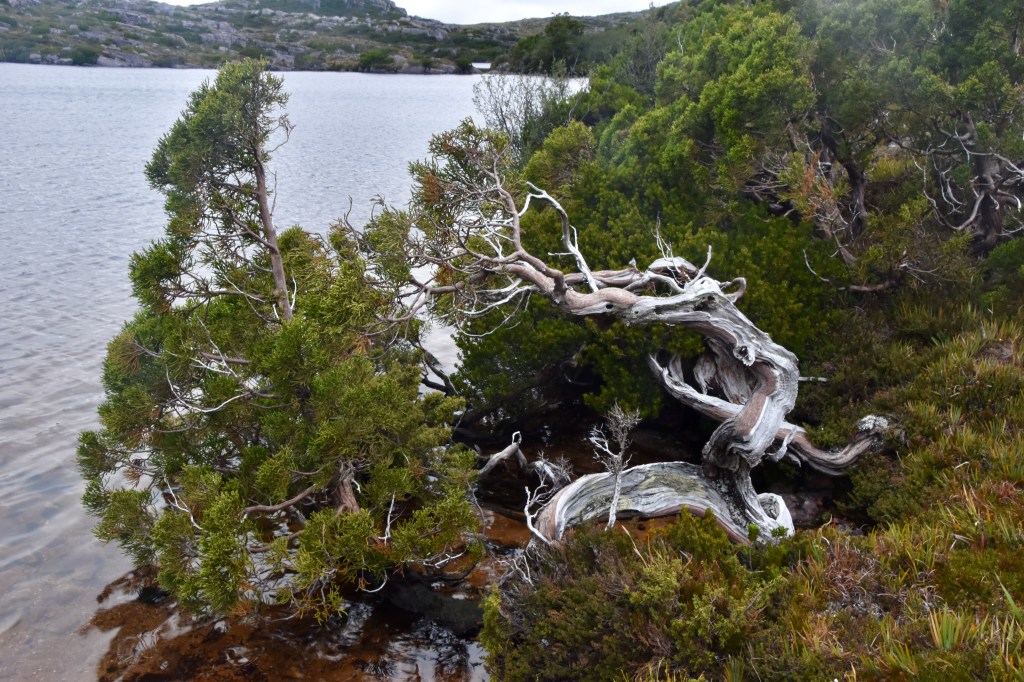
Of course, the plants were spectacular! Flowering banksia is probably my favourite, but maybe that just because of the honey-eaters that feed on the amazing flowers. However, the sub-alpine and alpine flora is really amazing.
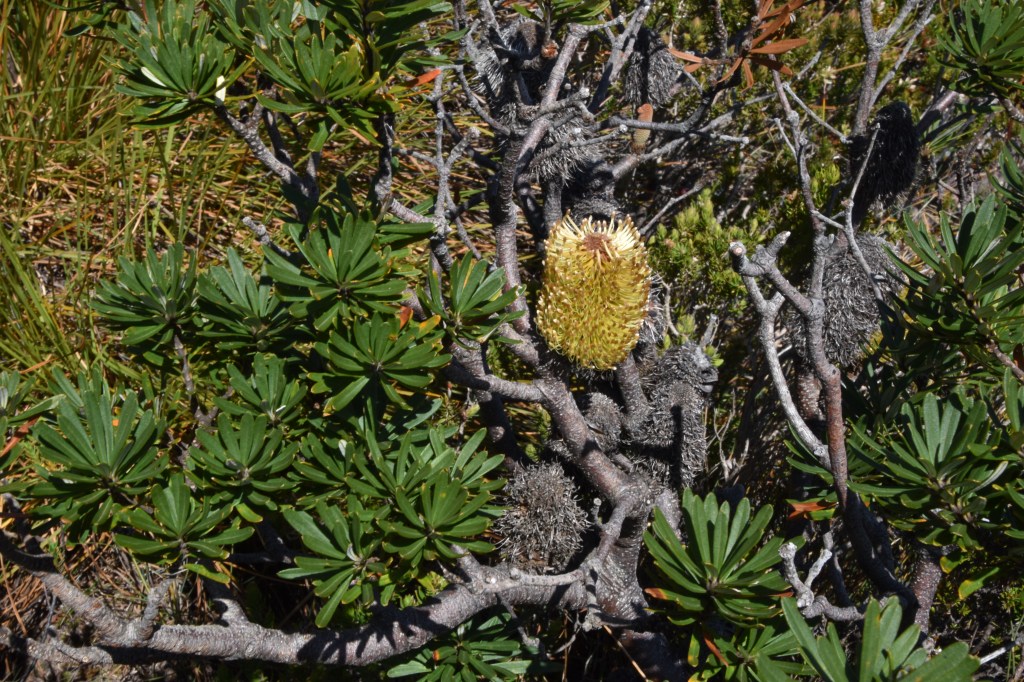
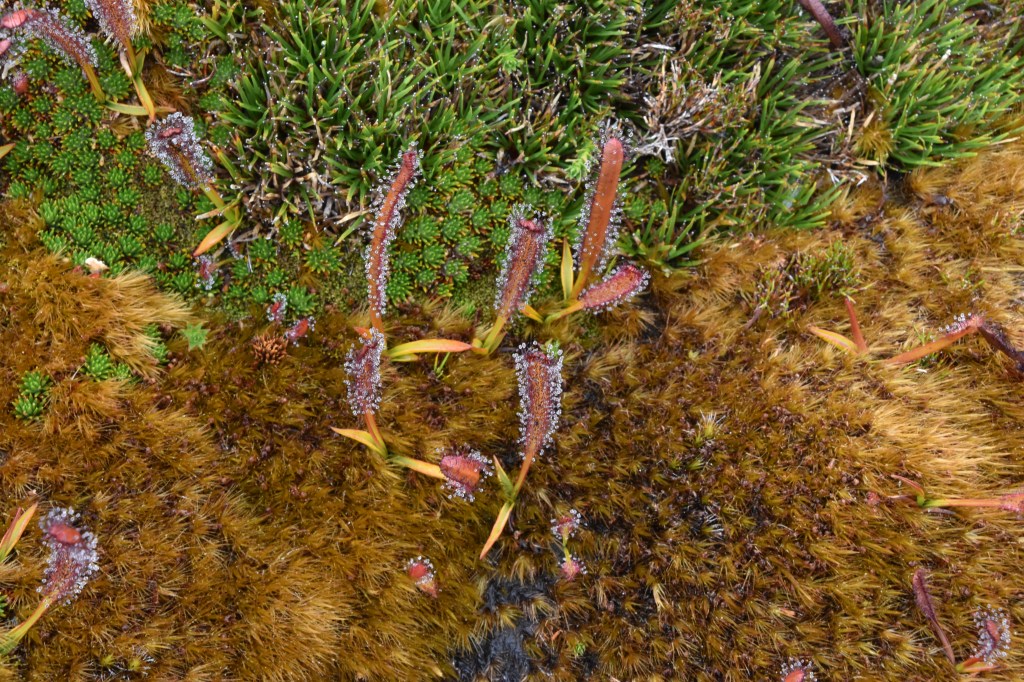
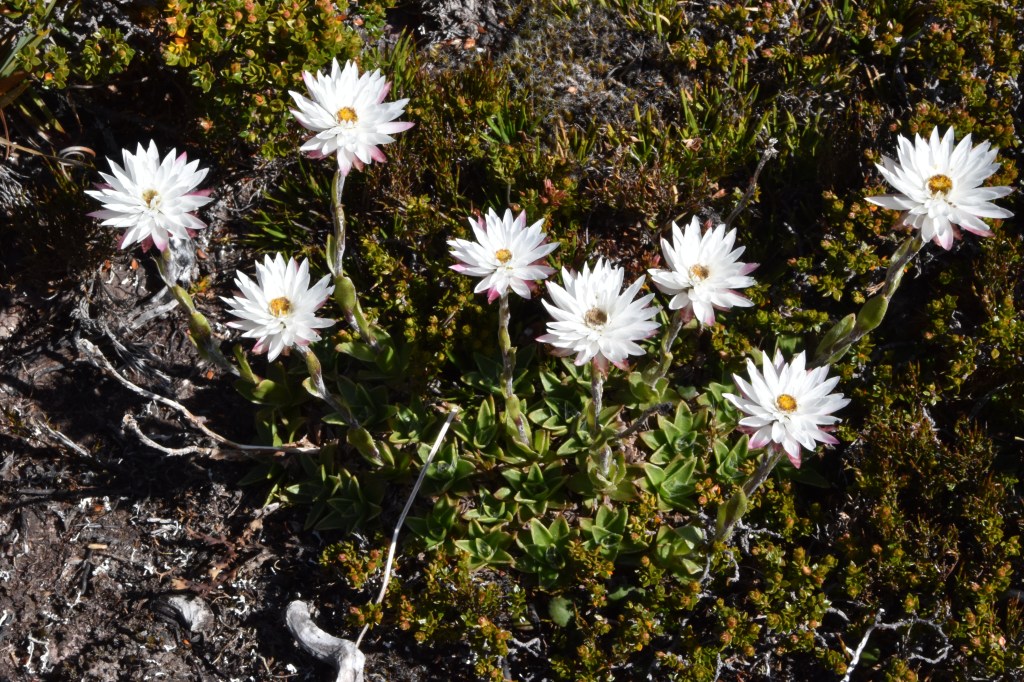
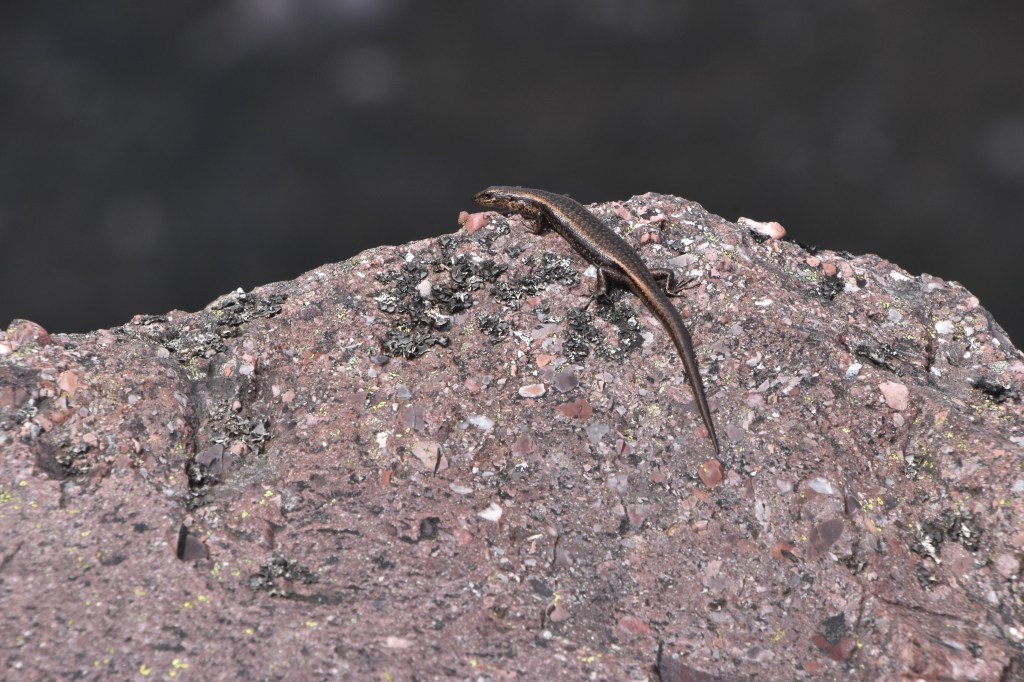
The geology is also stunning and wild. Most of the Tyndalls seem to be a metamorphosed conglomerate of lots of quartz mixed in a pinkish or grey substrate.
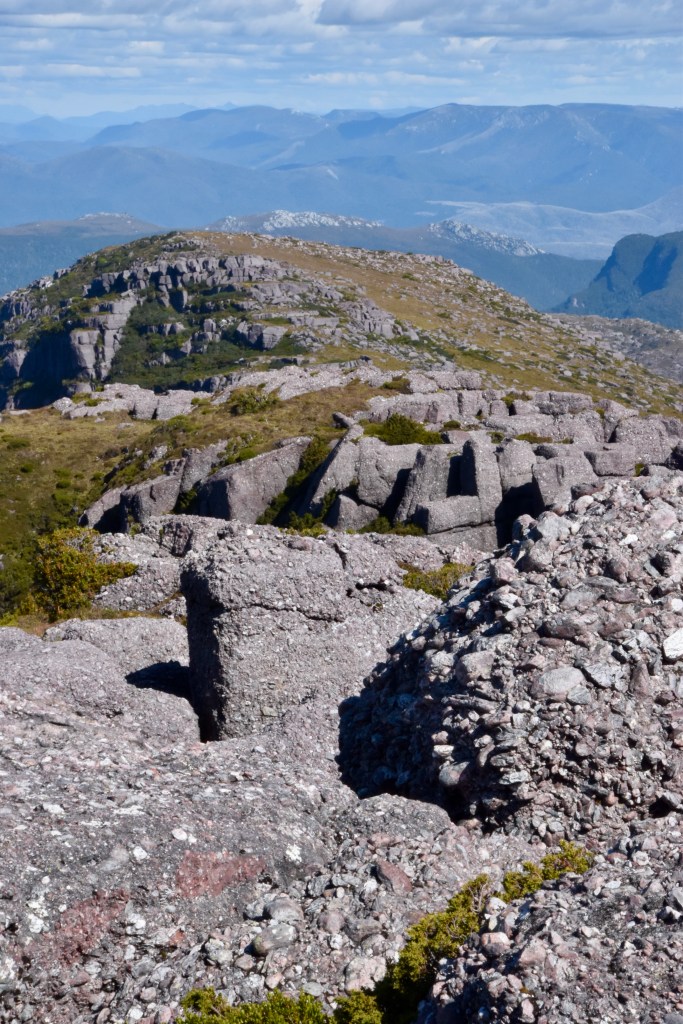
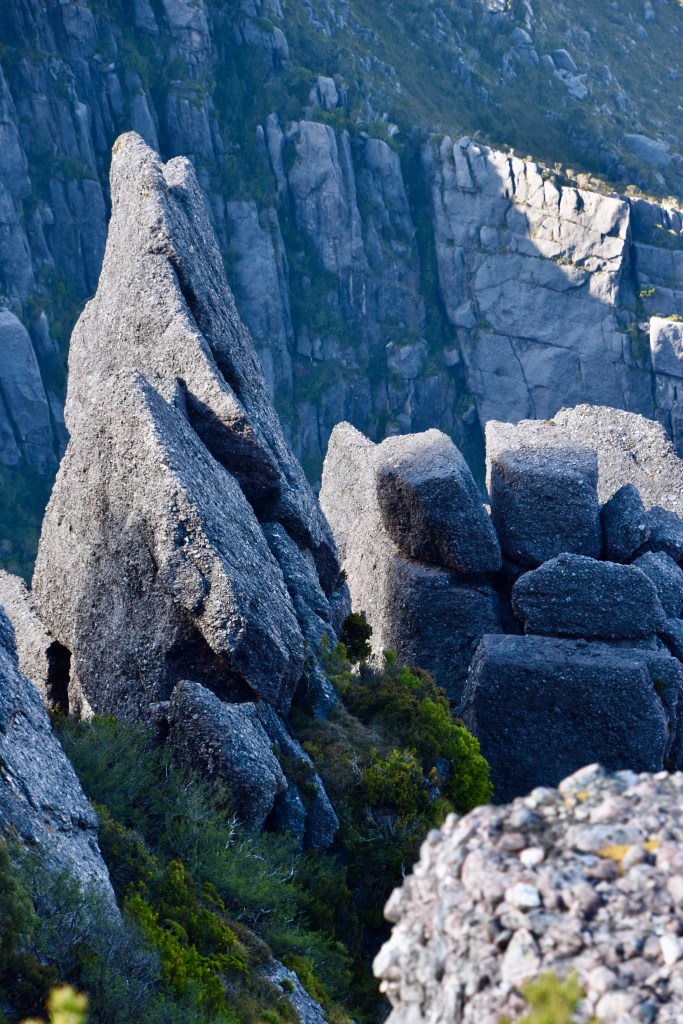
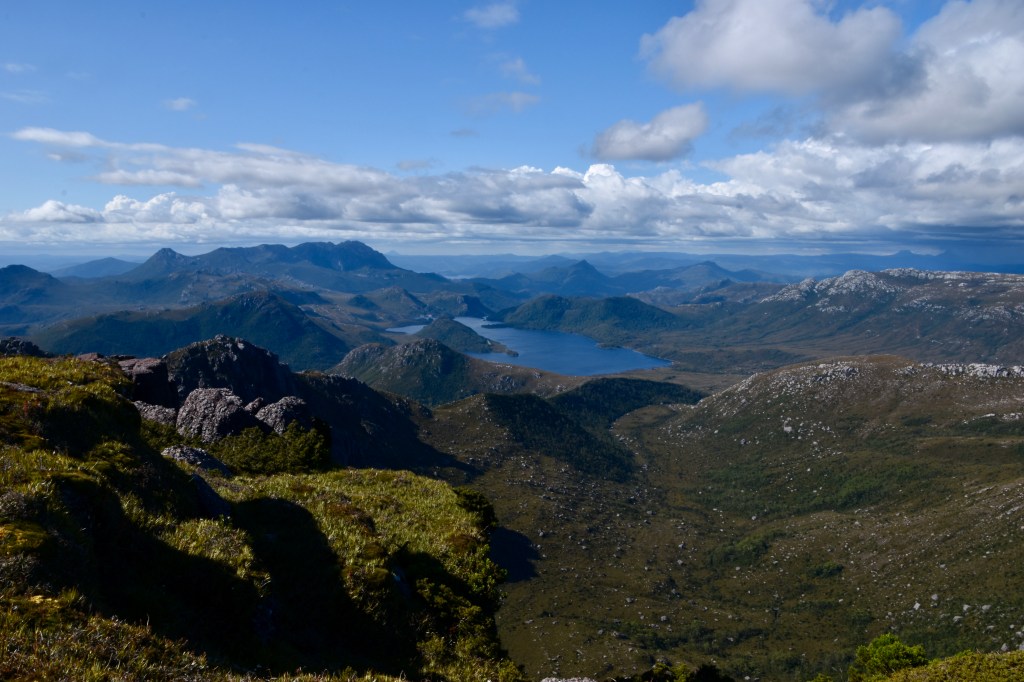
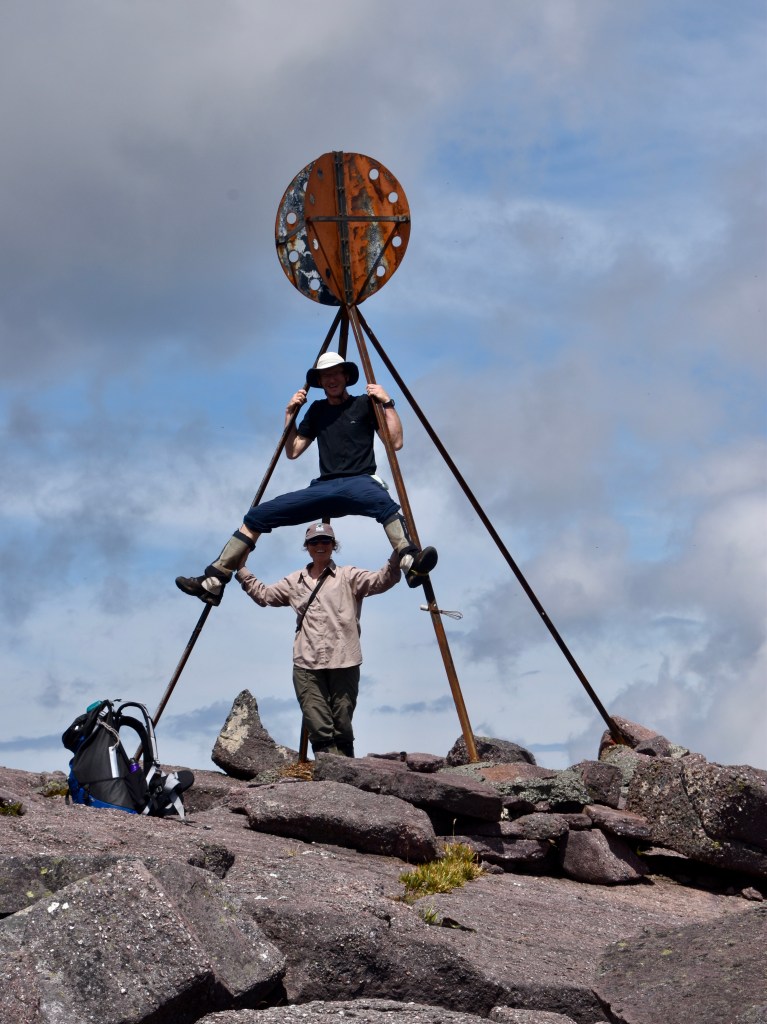
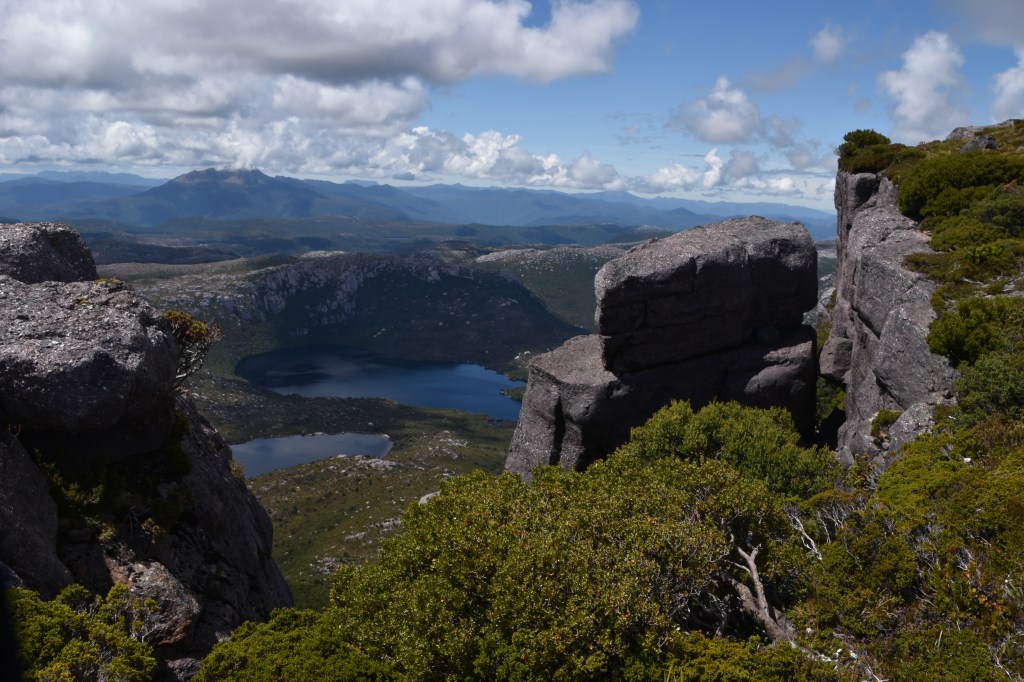
One could tell by the windswept nature of the plants that we were very fortunate with the weather. We took the opportunity for a side trip to top Mt. Tyndall before heading to the camp. There were grand views all the way to the west coast and McQuarrie Harbour where Heidi spotted a lighthouse that they had walked or kayaked. With such a beautiful vista, Steve and Heidi plotted future adventures!
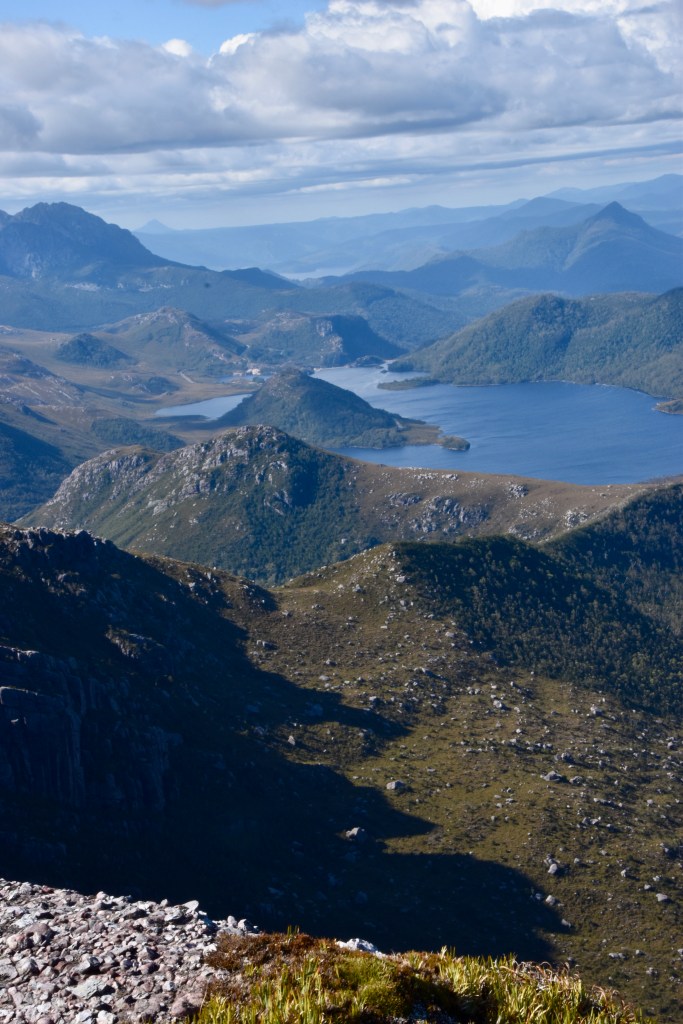
The camp was located in a flat spot near Lake Tyndall. I can’t remember if we swam first or boiled a billy first! It was all lovely. The water wasn’t that cold and it was certainly lovely to wash away the sweat. Heidi and Steve are inspiring campers too. Hot miso soup is just the salty ticket in the alpine!
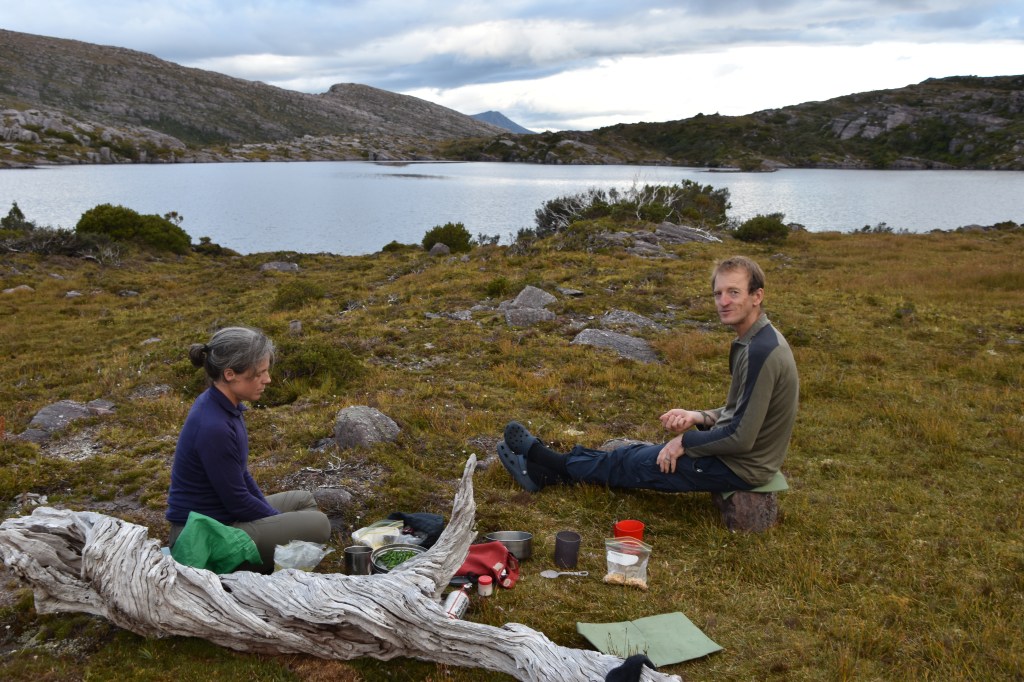
The sunset in the alpine was spectacular and so too, the stars. What a lovely place and I am ever grateful to be able to make it to such a wonderful spot and with good friends to facilitate the adventure!
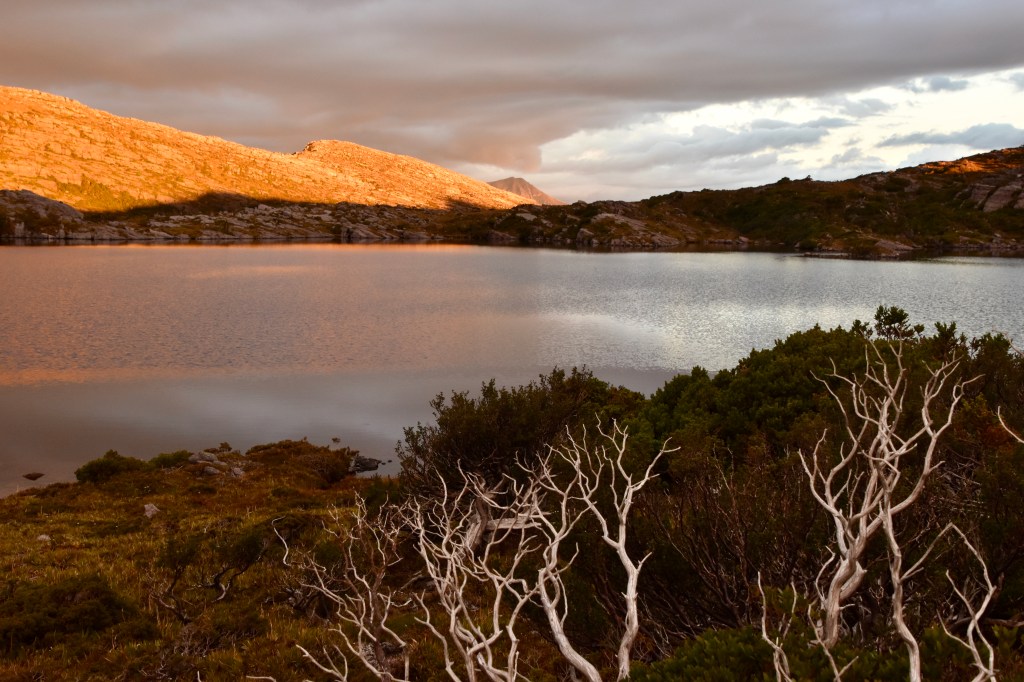
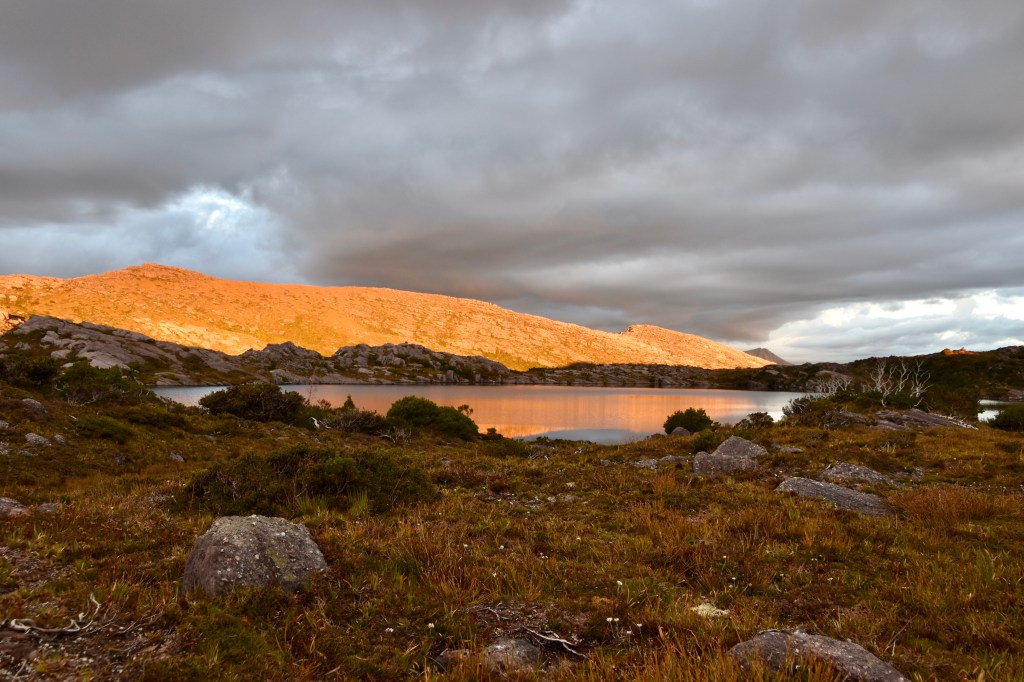
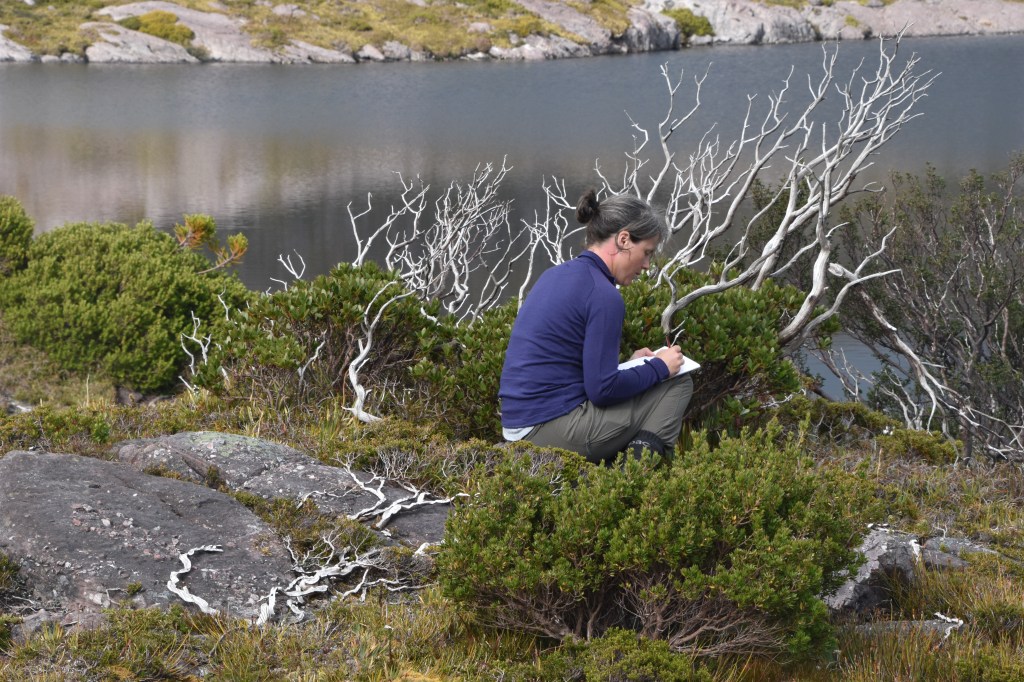
We awoke in a complete fog, so didn’t bother with hurrying to go hiking. Cups of coffee, sketching and longish breakfast preceded the next hike. Mt Geike was a ridge over to the east. It was a bit of a scramble through the conglomerate boulders to this top, but we were fortunate to get some good views between cloud drifts.
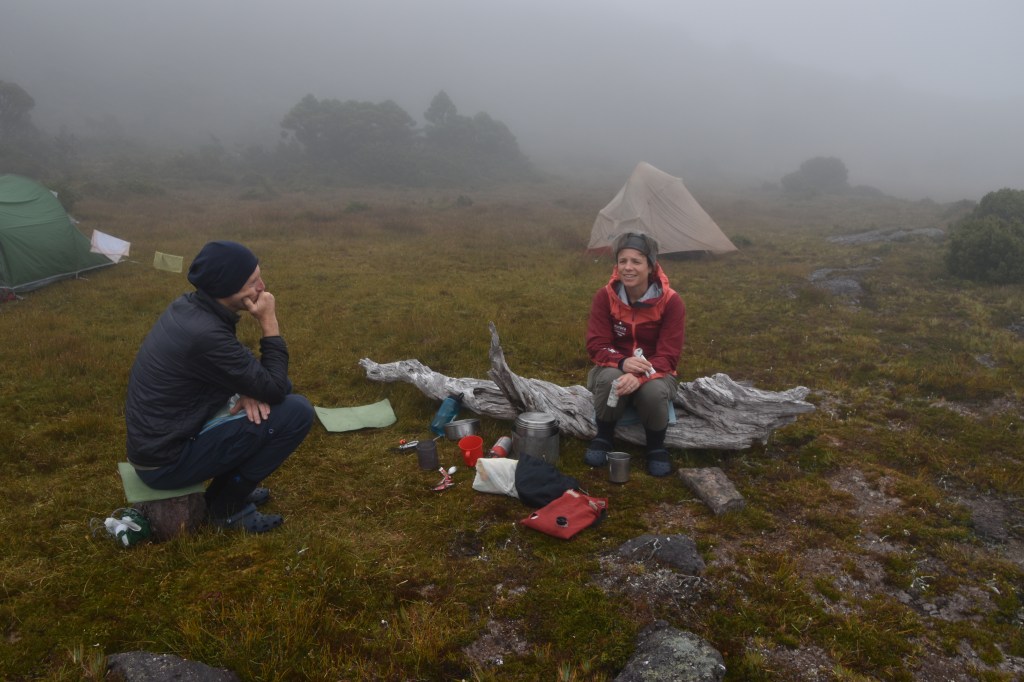
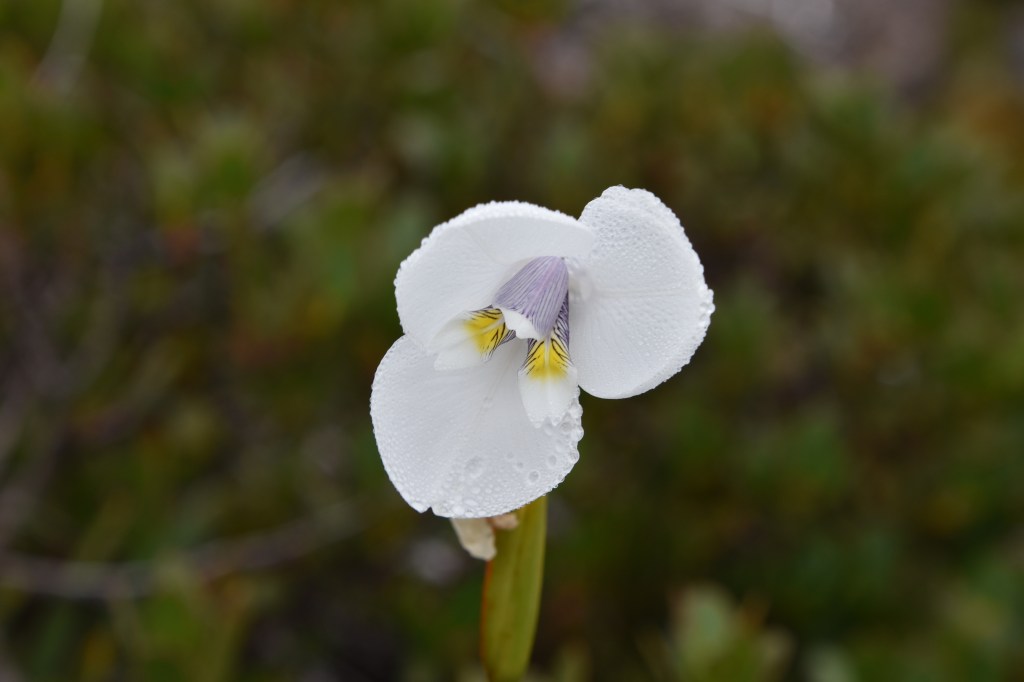
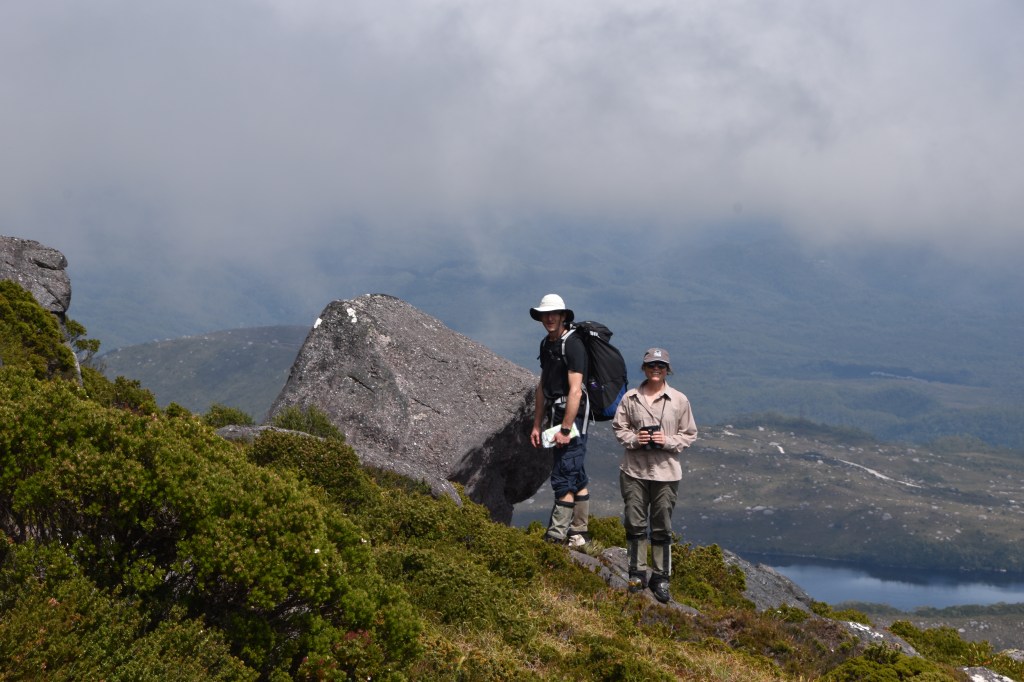
A couple of Wedge-tailed Eagles patrolled the cliffs. We had ‘tucker’ at the top of Mt. Geikie. On the way down we met other members of the Hobart Walking Club who were also camping at Lake Tyndall. Tasmania and Australia in general has a great culture of outdoor adventurers and tracking.
After another dry night we all got up early, packed up, ate breakfast and headed down the hill. The Hobart Tracking Club members were amazed that we were away before them, but they underestimated Heidi and Stephen on the go!
On the hike down Heidi spotted and heard a group of 13 Yellow-tailed Black Cockatoos feeding in some flowering gums. It seems amazing to me to see parrots in the sub-alpine, but Australia is definitely a land of parrots with 56 species in the family Psittaformes!
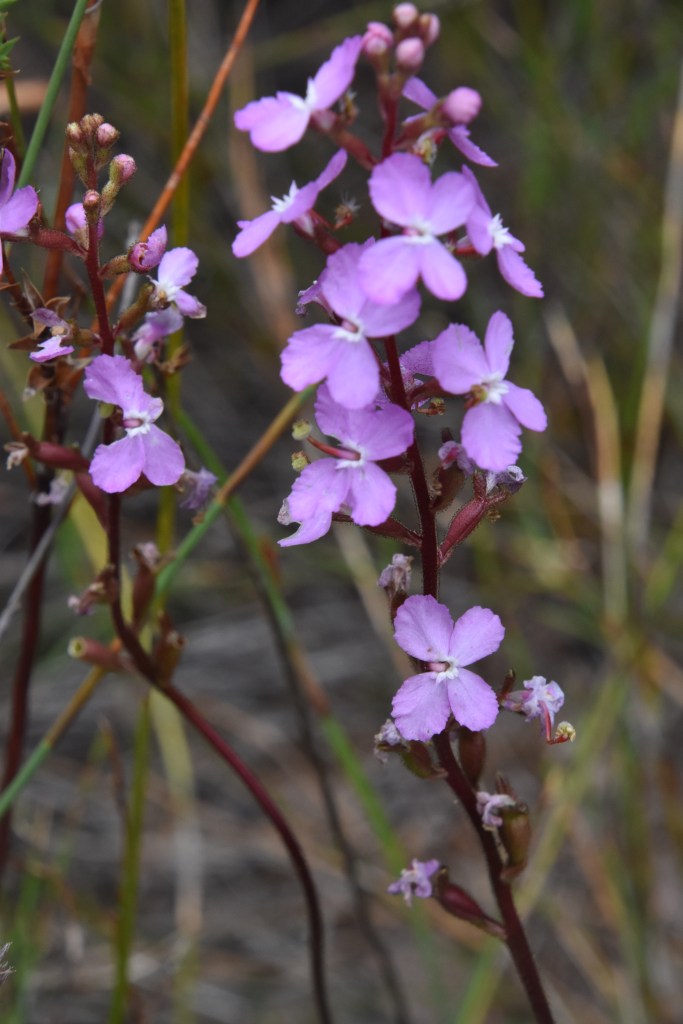
After some convincing on my part, we stopped at a little cafe in Cethana. Dusky Robins were spotted and then Heidi gave Steve a Happy Valentines hug. Wow, it was my birthday and even I had forgotten! We had a great laugh, a lovely coffee and pumpkin soup.
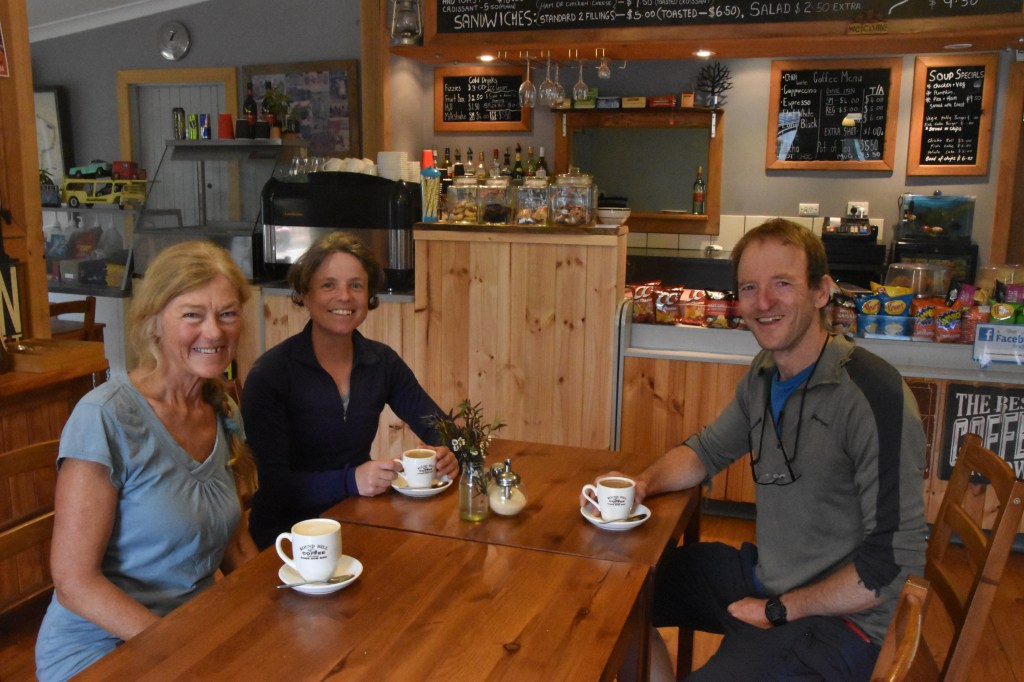
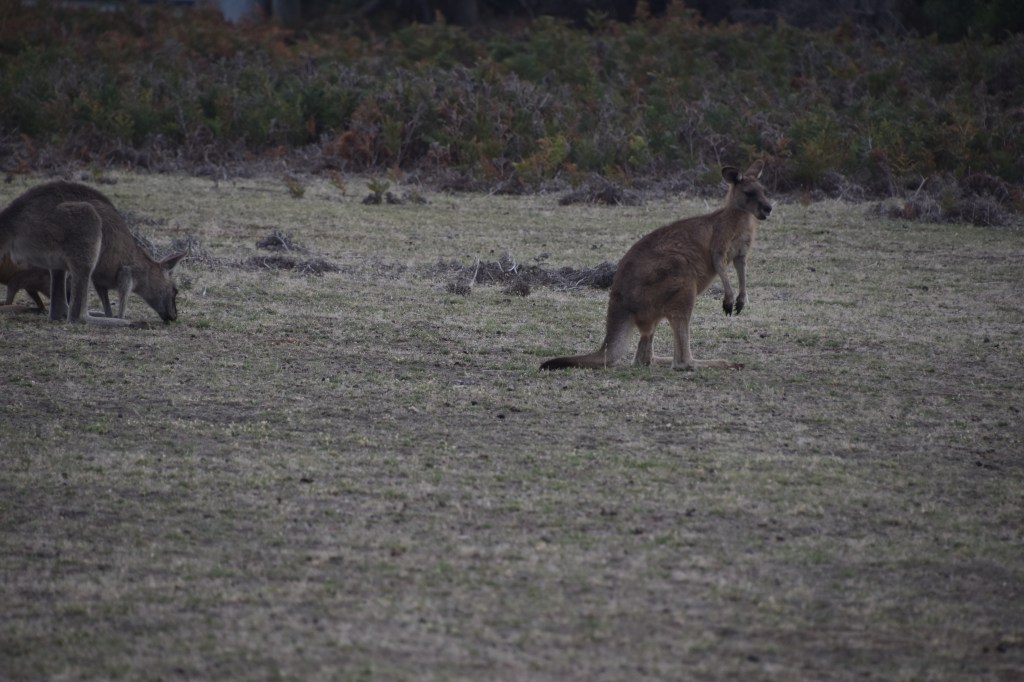
There was a quick stop in the farming town Sheffield with its great murals to re-supply, then wound around some country roads to Beaconsfield then our destination Narawntapu National Park. Narawntapu is like the Serengeti with roos! There is a large field which is grazed by Forester’s Kangaroos, Bennett’s Wallaby’s and Pademelons! These “hippy-hoppities” (as Heidi calls them) are really abundant at Narawntapu and can be viewed easily. Our campsite was close to the beach, the lagoon and the field so I had a wonderful birthday amongst the critters!
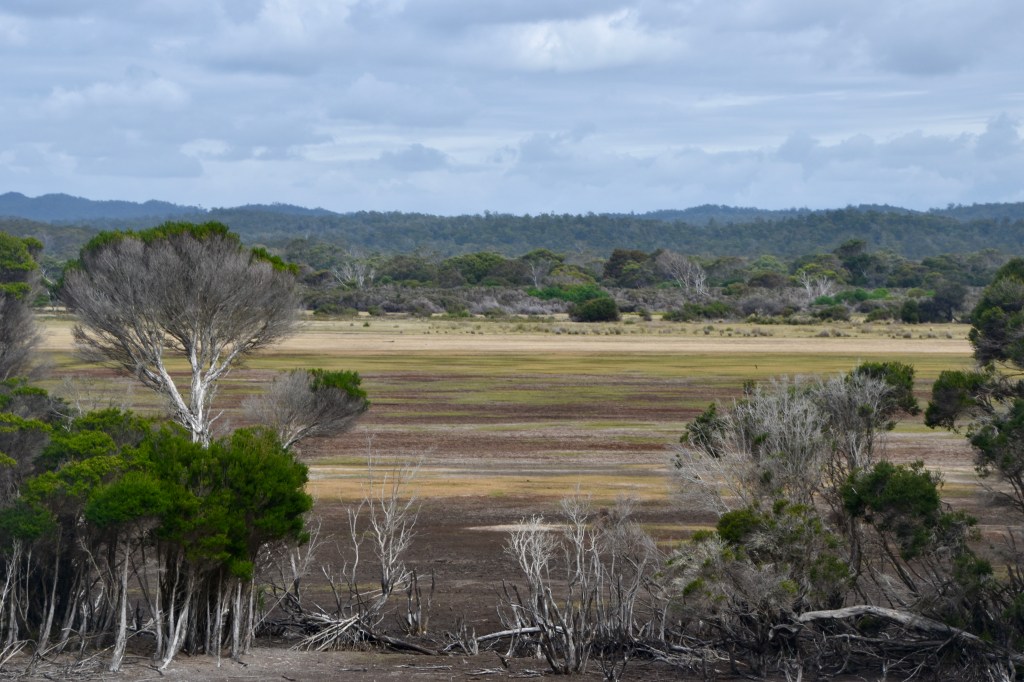
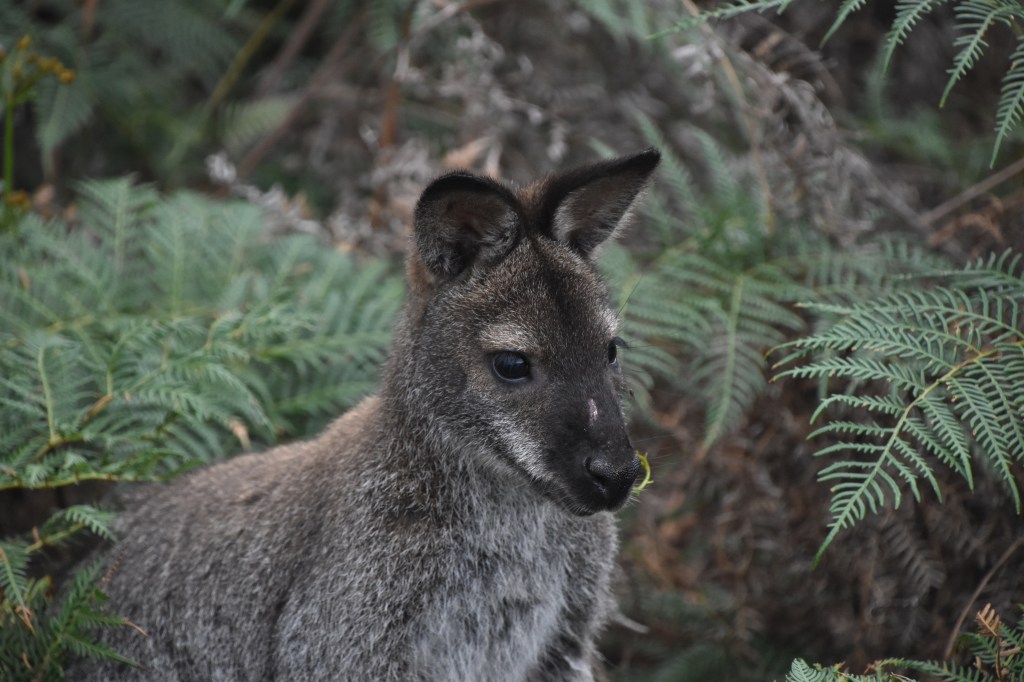
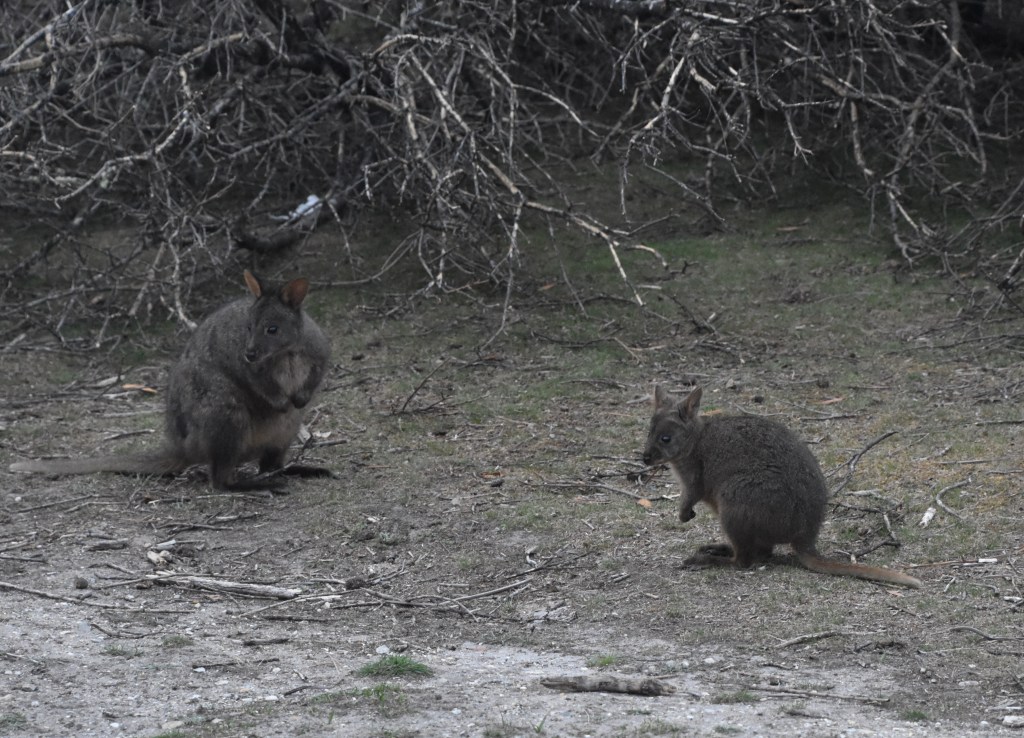
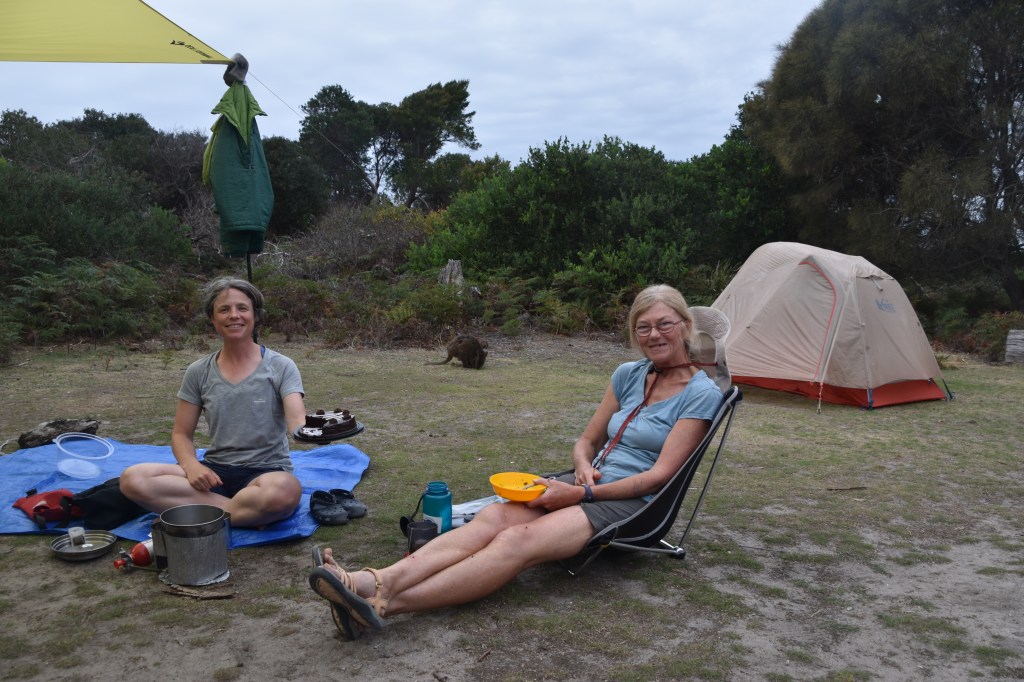
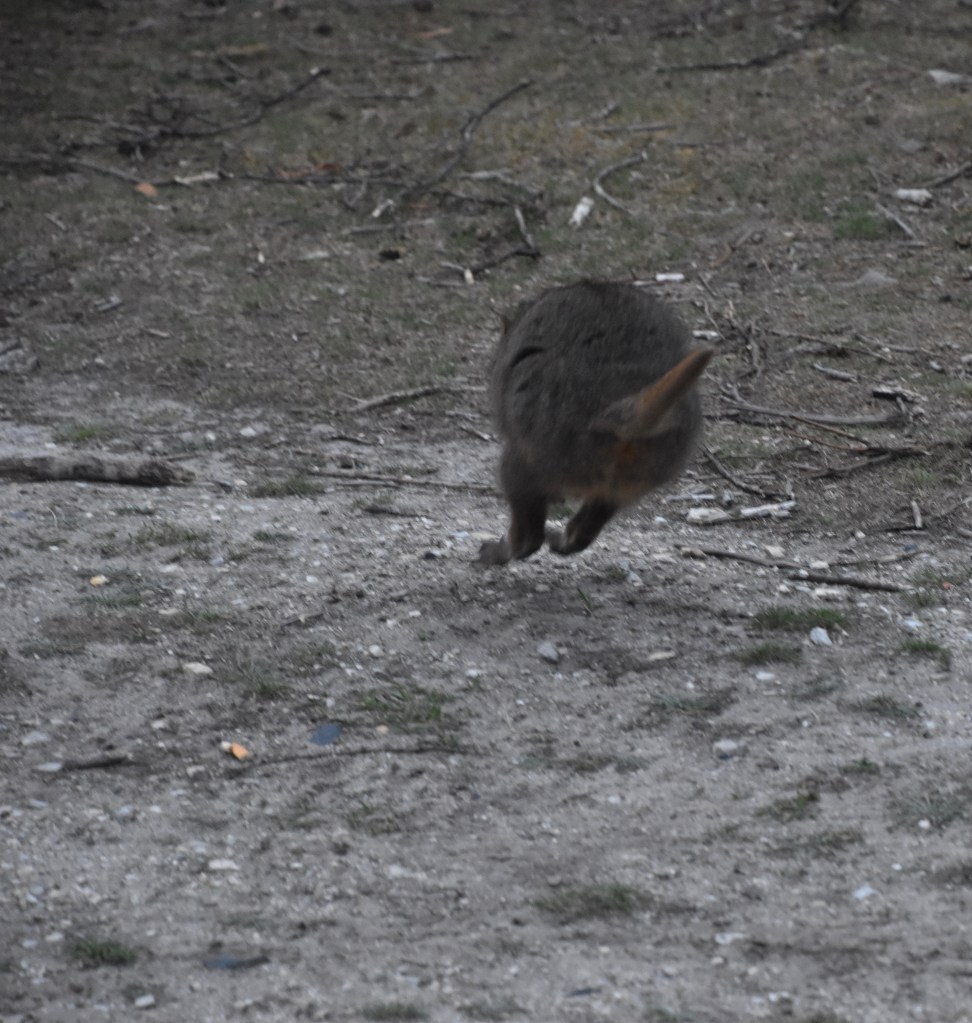
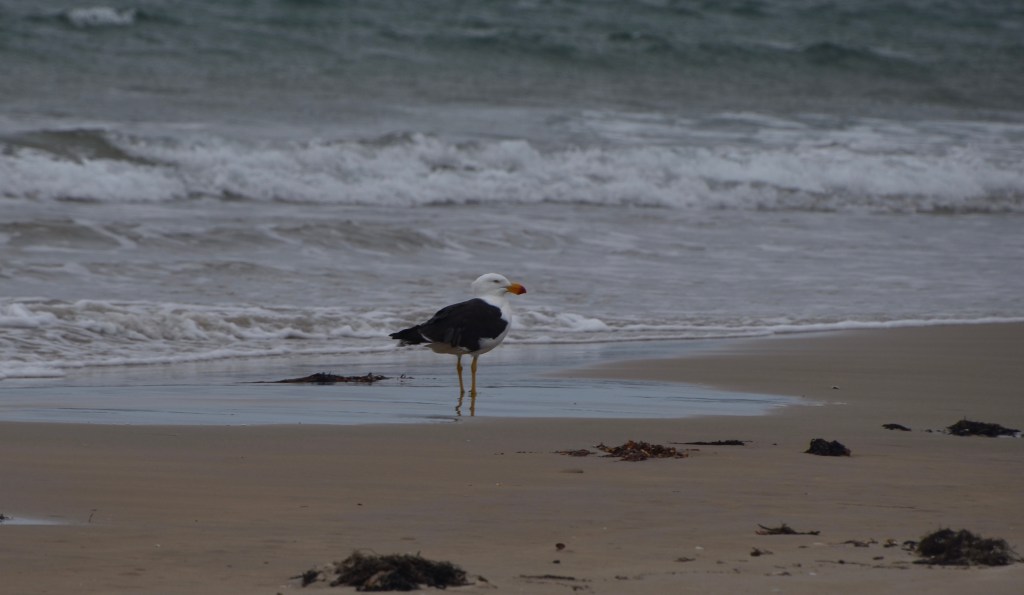
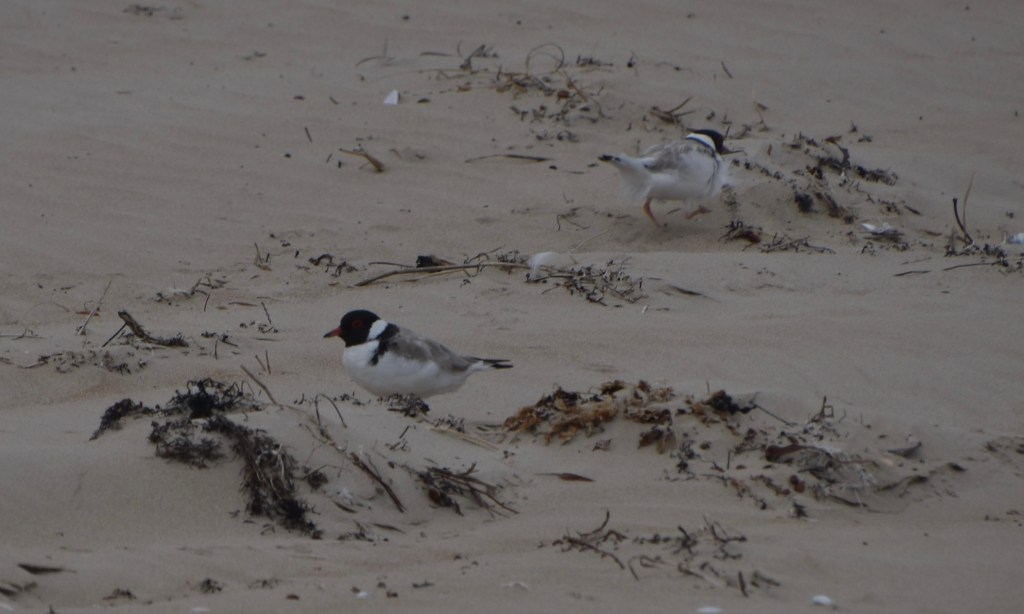
Narawntapu is on the north coast of Tasmania, facing Bass Strait, so it has a ocean and shore dune habitat. We had a lovely walk over the huge sand dunes to the sea. Along the shore we spotted a Pacific Gull with a huge bill and striking plumage. A family of Hooded Plovers blended into the sandy beach.
I’m looking forward to a year of adventures in the wild!

 Trudy’s Pacific Adventures
Nice one Trudy – nice pics and summary of good times
LikeLike