I live on Protection Island which is off Vancouver Island and then I make journeys to other islands in Canada: Wickinninish, Haida Gwaii, and even smaller islets. I was reflecting on the fact that in this trip I spent a month on Phillip Island, off Norfolk Island, then I went to Tasmania which is a island off Australia (itself an island!). This blog is about two islands off the SE Coast of Tasmania. What is it about islands that I am fascinated by?
As a teenage girl, I had a goal of visiting every island in the world (about 2000 by some definitions). Although I recognize this is an improbable at this stage in life, nonetheless when someone mentions going to an island, I’m always in! Islands are usually that much wilder than their mainland counterparts. Islands have unique and endemic (species found nowhere else that have evolved separately over thousands of years of separation), they are breeding grounds for seabirds (that require predator free environments to nest) and if inhabited have interesting, independent characters. Islands are microcosms of larger ecosystems and they generally have less species than their mainland counterparts. I feel at home learning the limited numbers of plants and animals and how the ecosystem functions on an island.
Heidi had agreed to help lead a BirdLife Tasmania excursion to Bruny Island on February 16th, which was the day after we’d returned from the Tyndalls. In between the Bruny and Tyndall adventure, Stephen booked us into a Ted Egan concert in Rozny House, Tasmania. Ted Egan, is a real Aussie character “The Outback Songster” and is a prolific folk singer. I especially loved “The Goanna Drover” (goanas are large lizards and a drover is a herder)
https://open.spotify.com/track/7IdVFqFQRuKAu5KXNedKQl?si=VCzvJwX7S3aY2LHVMPMdmw
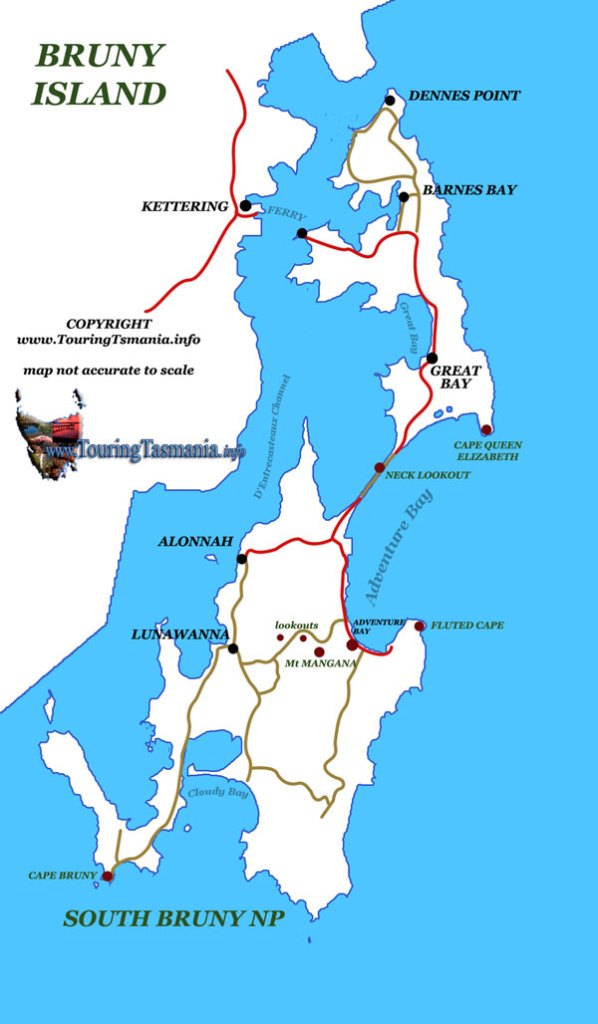
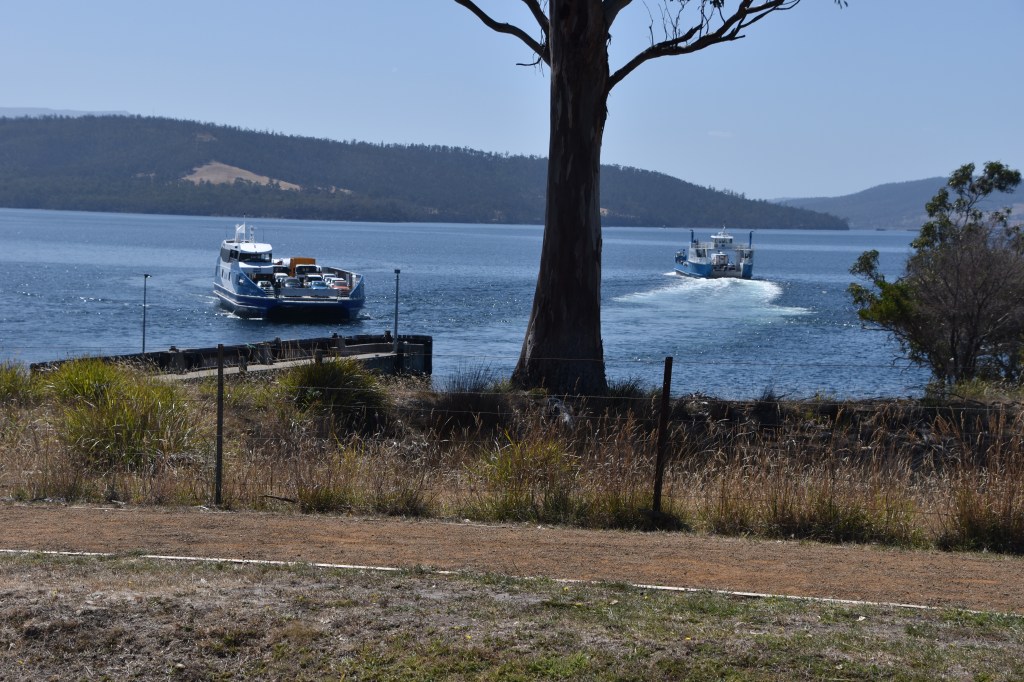
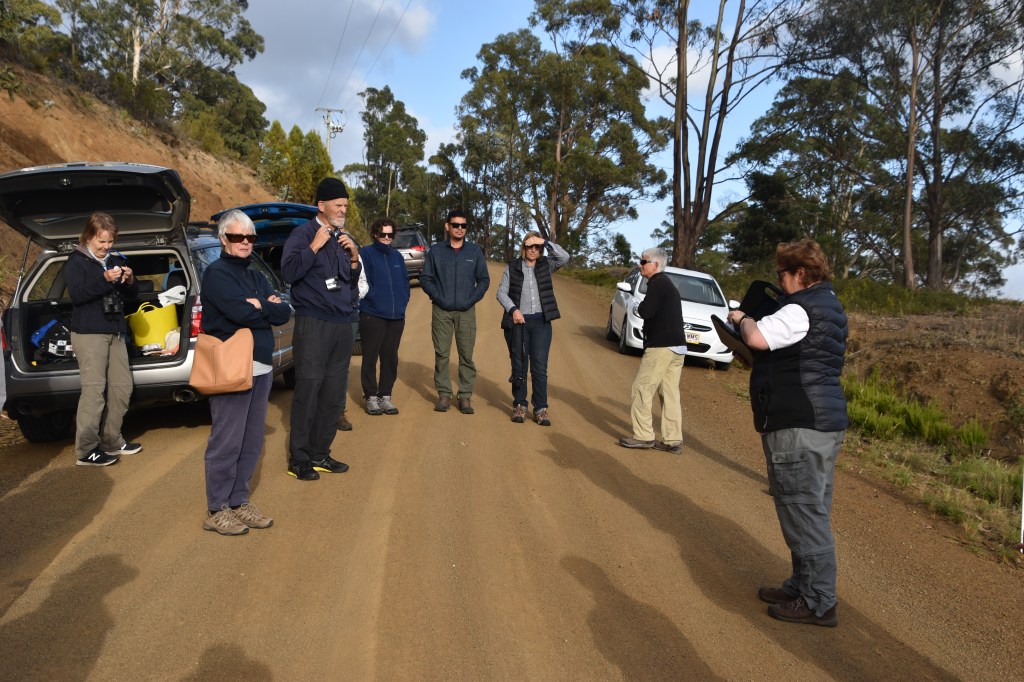
The alarm went off early, we were up, coffee made and car packed for the Bruny Island trip! We needed to be at the ferry by 7:00 to ensure we’d make it! Nothing unusual about that scenario to get to an island! We met Karen, our leader from Birdlife Tasmania who enthusiastically outlined the best spots to “get” the rare birds (Swift Parrots, 40 Spotted Pardalotes, Dusky Robins, Blue-winged Parrots, Green Rosellas and Pink Robins). There were over 20 birders from all sorts of places (Western Australia, New South Wales, New Zealand, Canada) and Tasmania. It was a great opportunity for me to learn all these new birds and spots. Karen is an amazing birder and leads tours, so was excellent at organizing this crowd.
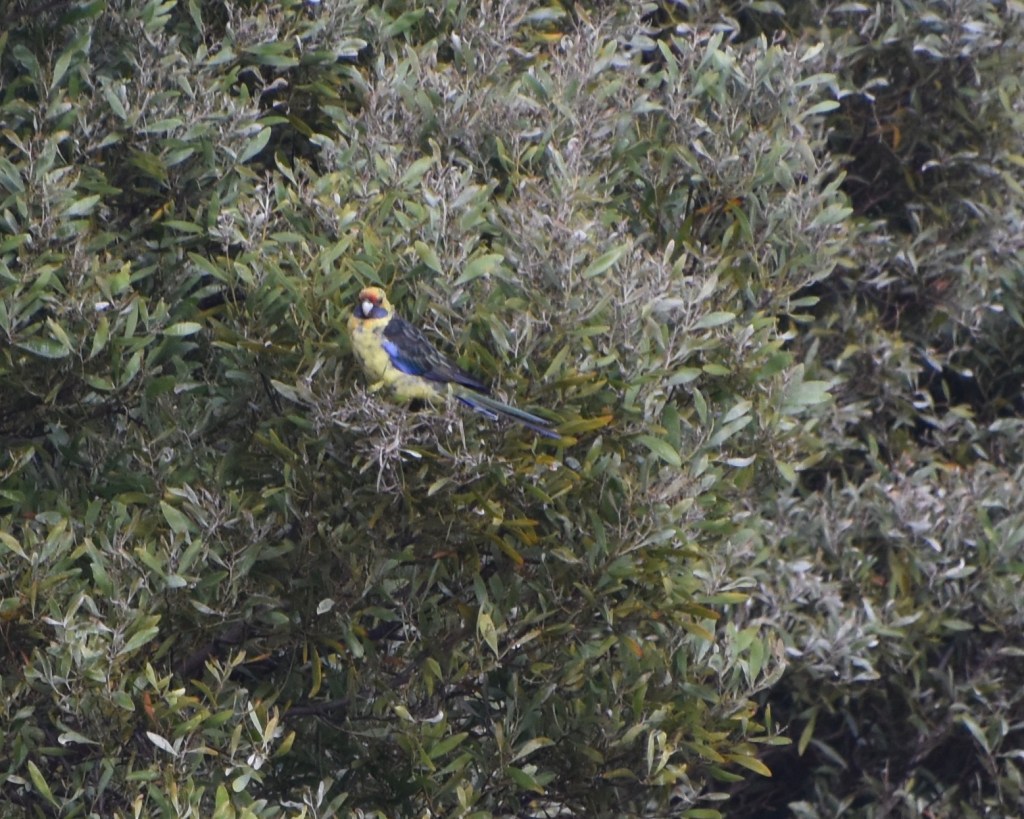
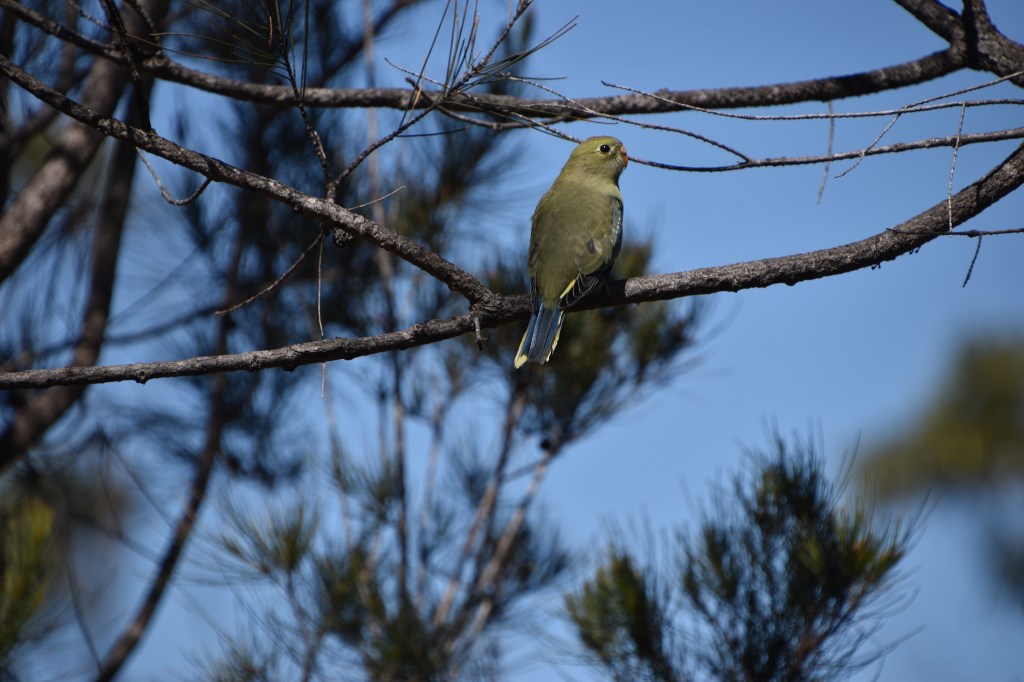
Bruny Island has an amazing variety of habitats from very dry sclerophyll forests dominated by eucalyptus, to rainforest, sand dunes and salt-marsh. Our second stop was particularly fruitful when we all had good looks at Blue-winged Parrots and a Forty Spotted Pardalote feeding right above our head. Many Australian bird species focus on the nectar from flowering trees and shrubs and thus serve as important pollinators. Pardalotes are tiny birds with specialized beaks for scooping up “lerp” which is a sugary substance exuded by psyllid insects. Karen and Heidi were scanning the trees for flowers which attract swift parrots and many of the honeyeaters. Unfortunately, the eucalypts had finished flowering and it was unusually dry in Tasmania, so we didn’t see the Swift Parrot which are very beautiful. However, I was thrilled to see such an amazing variety of new and beautiful birds .
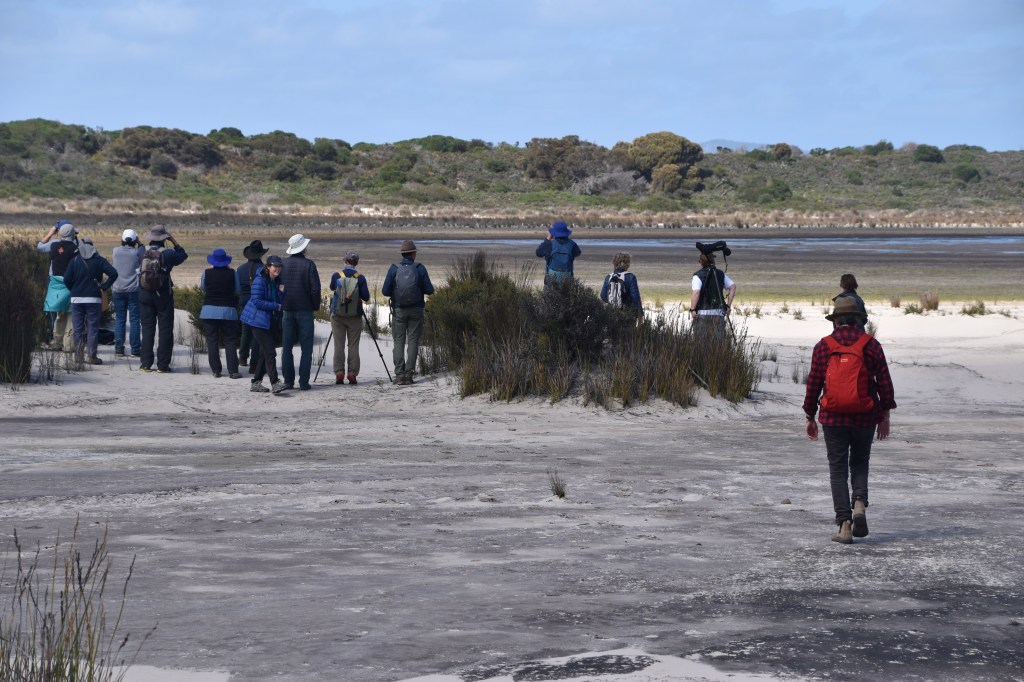
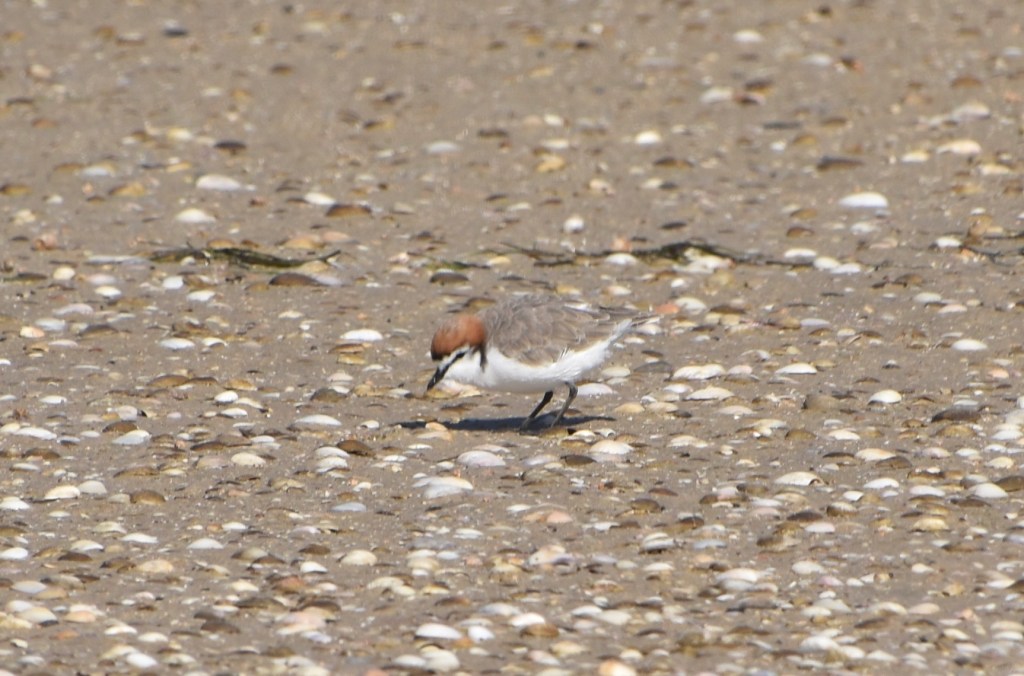
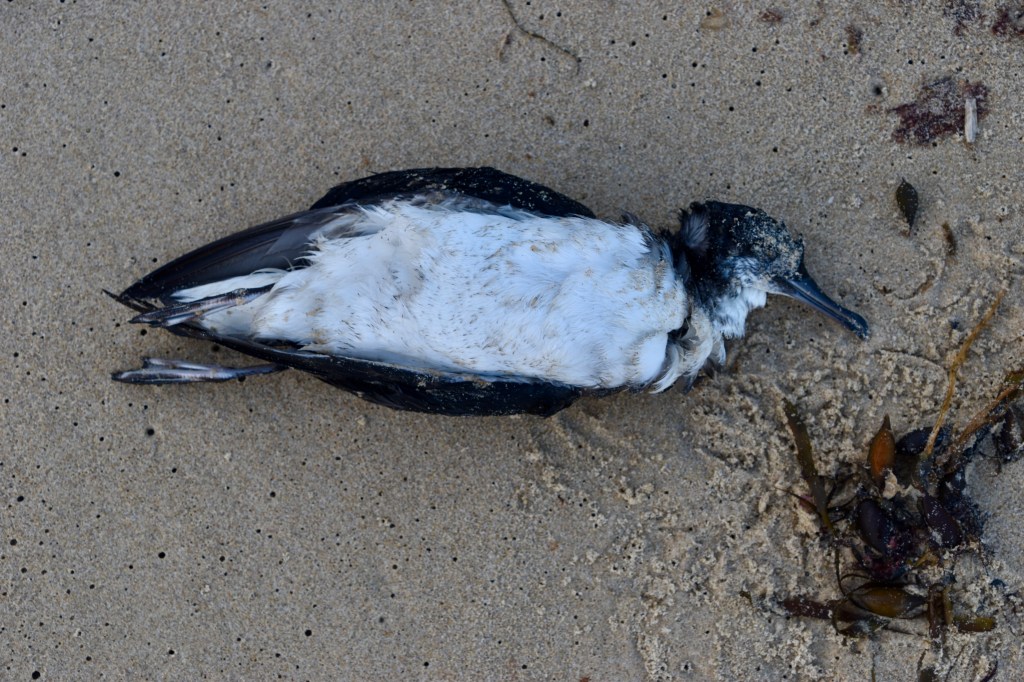
We moved on to the saltmarsh which was quite dry, but amid the heat waves we spotted Red-capped Plovers and Hooded Plovers. There was lunch at a community park and Karen showed us dead Fluttering Shearwaters on the adjacent beach. Sadly, there had been a “wash-up” of starving Fluttering Shearwaters this year. Fluttering Shearwaters are a small shearwater that nest in New Zealand but obviously aren’t doing well with warming oceans.
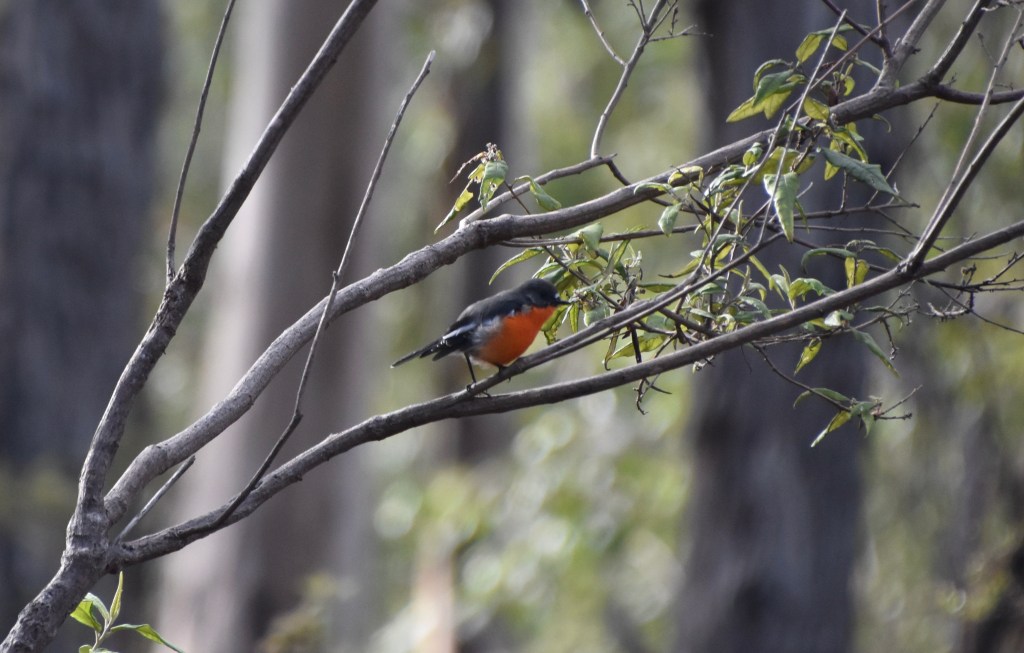
We finished the bird trip in a lovely piece of rainforest where we saw the Tasmanian Scrub Wren, the Tasmanian Black Currawong and Heidi pointed out a Pink Robin hopping about in the tree ferns.
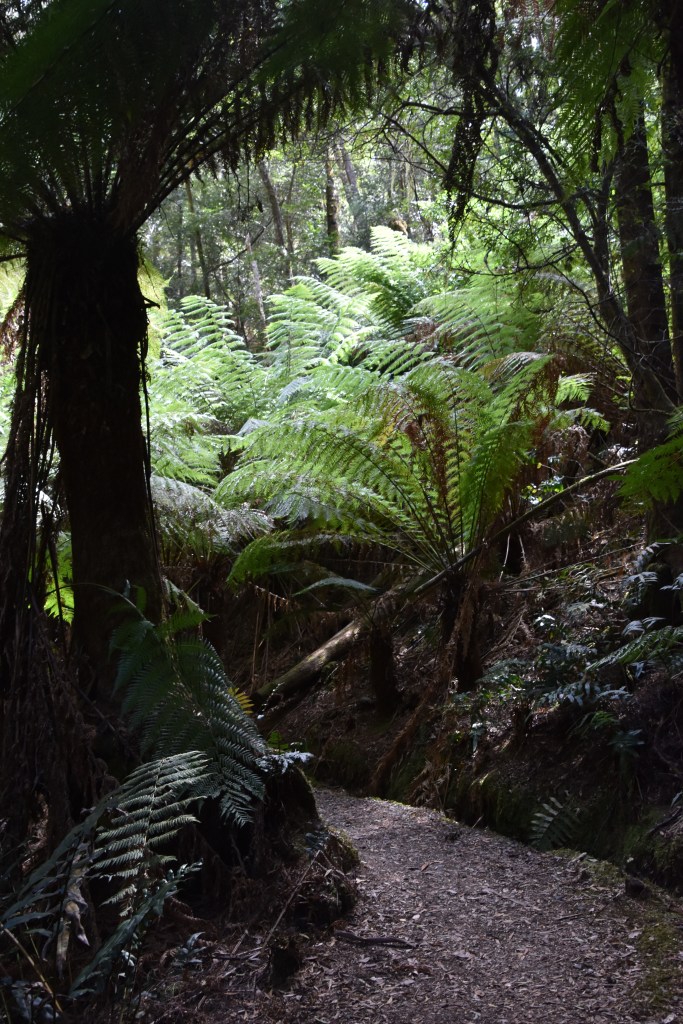
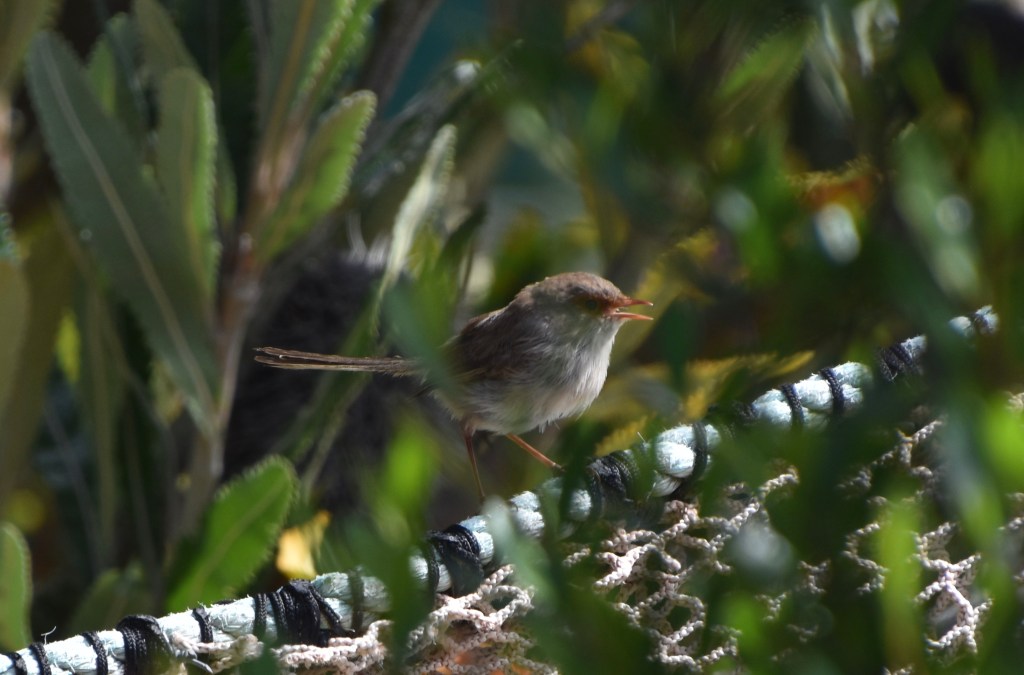
Poor Steve had put up with a lot of birding and wasn’t feeling his usual spunky self, so we made quick haste to the Bruny Island campground to set up for the night. Heidi and I went for a long walk along the spit between South and North Bruny. As it grew dark, we headed north along the shore to search for Little Penguins and Short-tailed Shearwaters coming into their nests. Just as darkness fell we began to see shapes of shearwaters whipping through the sky. By the time we reached the lookout, we met Steve and Maggi and all sorts of on-lookers on the viewing boardwalk. Bruny Island lookout is an excellent set-up for low-impact seabird viewing. Shearwaters come into their burrows adjacent to and under the boardwalk, so can be viewed easily with a red-light and not disturbed. Most of the Little Penguins had fledged so we were very fortunate to watch a Little Penguin fluttering it’s flippers quite near its burrow.
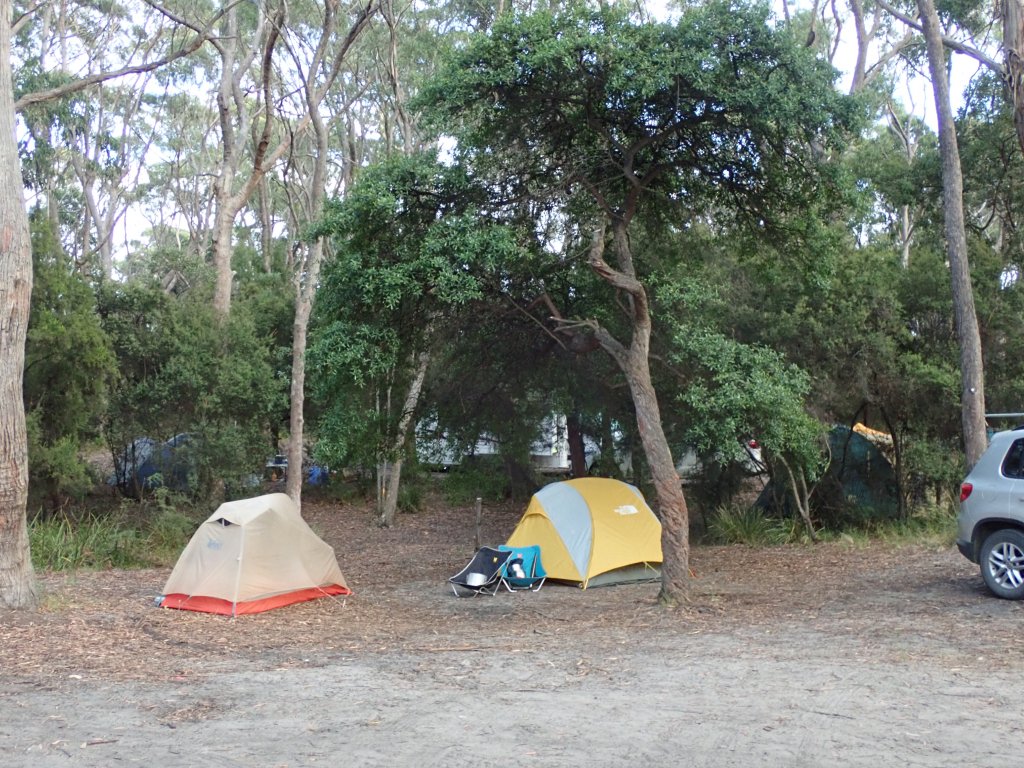
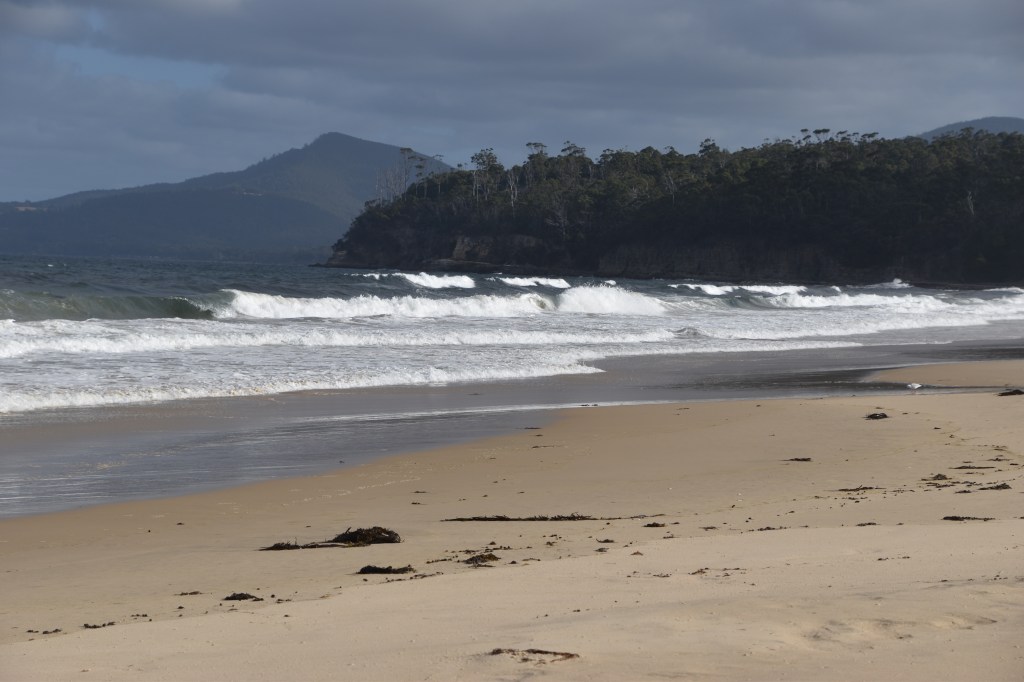
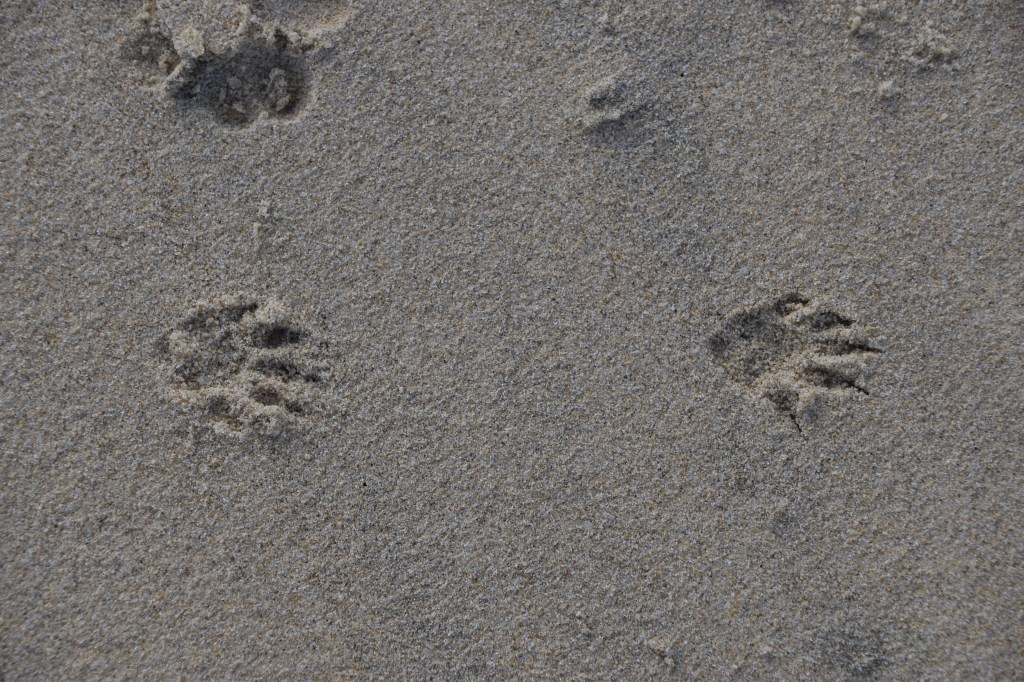
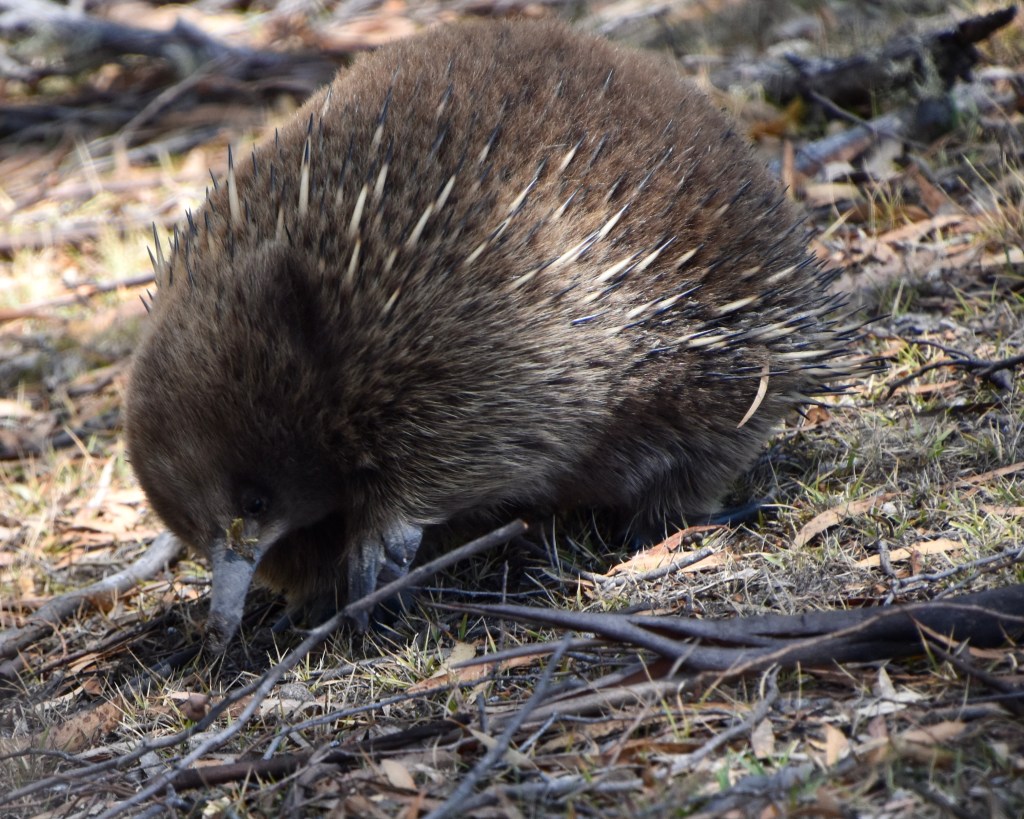
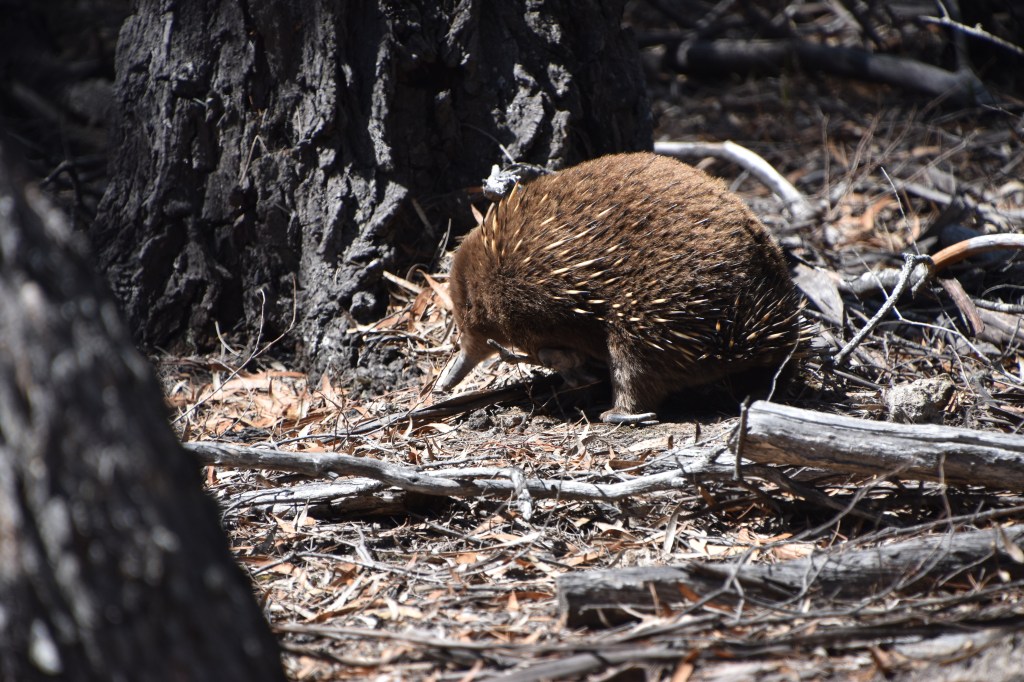
The next morning we actually slept in and relaxed before going on a hike to an old Quarantine Station on Barnes Bay. The Quarantine Station was used to quarantine smallpox victims, convicts (similar to everywhere I’ve been in Australia), influenza sufferers, then exotic plants. Fortunately, now the entire Quarantine Peninsula is is protected and managed by the Friends of the Bruny Island Quarantine Station. Heidi and Stephen had spent a couple of months as volunteer caretakers at the Quarantine Station so were familiar with the best parts of the reserve. We did a great walk and I was excited to see the coolest of Australia’s marsupial mammals, the echidna. Of course we had a picnic lunch at the quarantine station and boiled a billy for tea and soup.
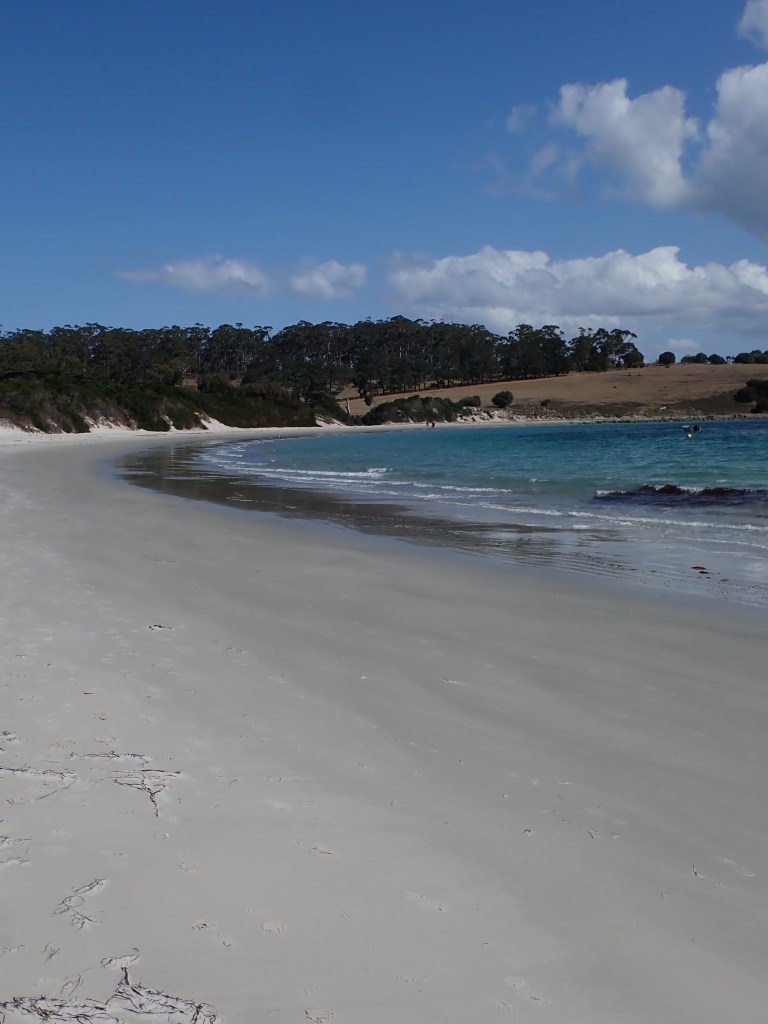
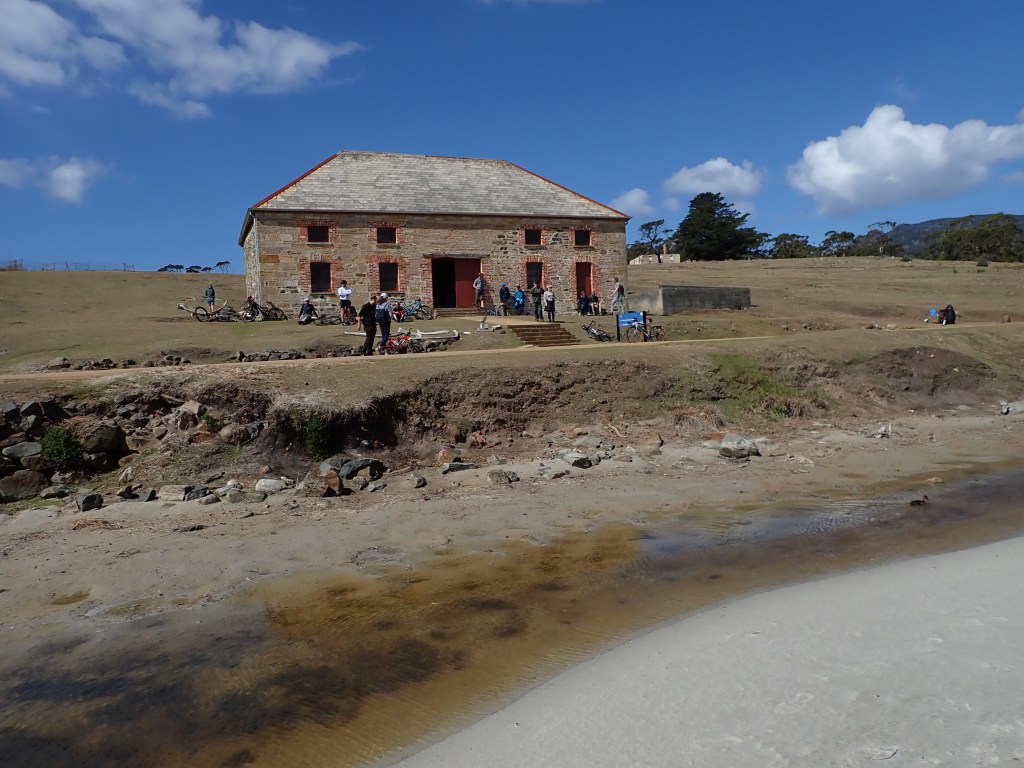
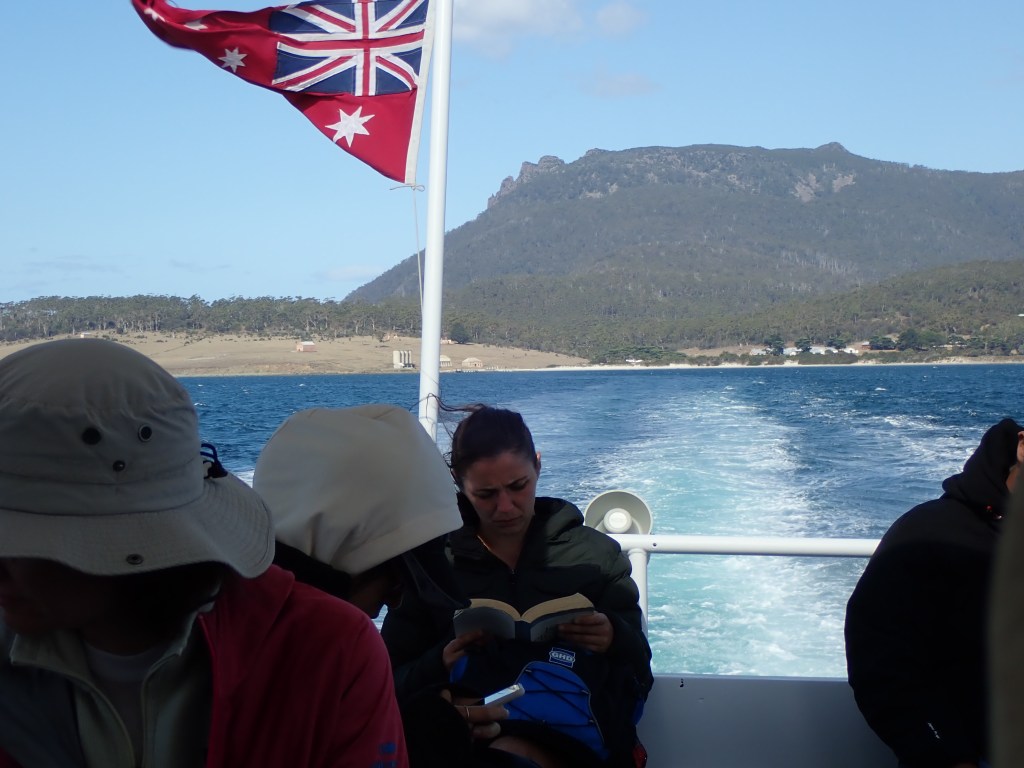
Maria Island (pronounced by locals as “Mariah” is located off the southeast of Tasmania, a half hour ferry ride from the seaside village of Triabunna . Beside the very cool animals on Maria Island, it has a very colourful history. Puthikwilayti aboriginals lived here for 40,000 years until it was “discovered” in 1802 by Nicholas Beaudin on a French expedition. In 1825 the English brought 50 convicts to work and be interned. The second convict prohibition era (1842-1851) included an Irish Nationalist and aristocrat, William Smith O’Brien who was interned as a convict for speaking out against the British. O’brien’s room and the Penitentiary used to house the convicts in the Darlington settlement are still preserved today and used as accommodation. An Italian, Bernacchi and his wife came to Bruny Island in the 1880’s with ambitions to grow wine grapes, hops and have a concrete industry. His money ran out and sometime later a failed cement works started up again. In the early 20th century Darlington had a couple of hotels and hundreds of residents, but the whole enterprise collapsed by the depression in 1930. Maria Island was declared a National Park in 1972 and is also a World Heritage Site.
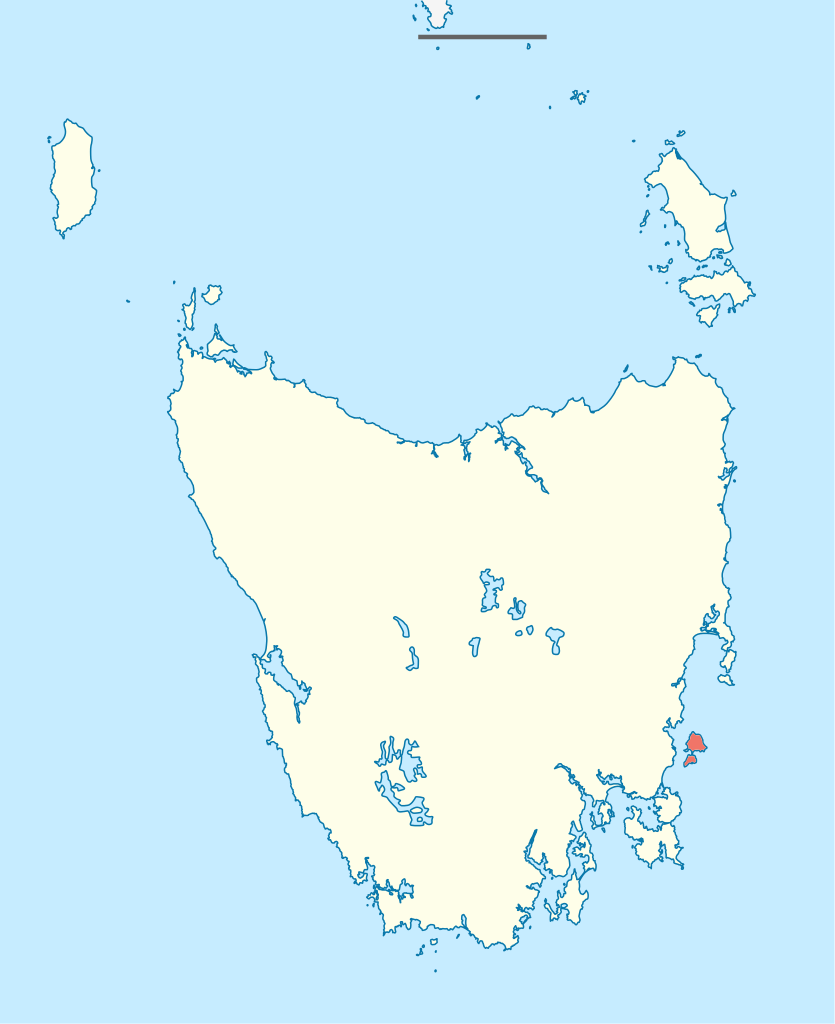
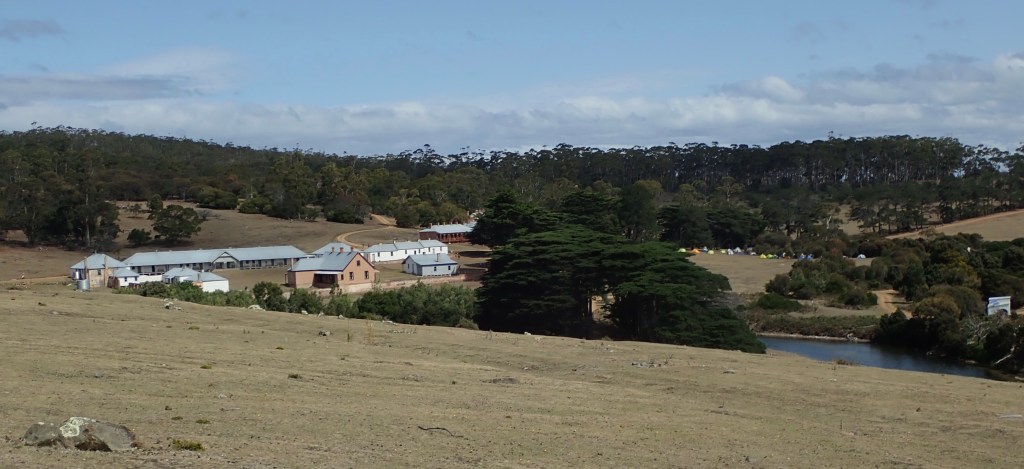
I was very keen to see the Tasmanian devils which were relocated to Maria Island in 2012 as an “insurance population”to quarantine them from the Devil Facial Tumour Disease that is sweeping through Tasmania. When I arrived on the island, the rangers told me to camp outside the normal campsite as there were two school groups and a Marine Science group from University of Tasmania in the campground. I was delighted to be off and away from the noisy campers, but as it turned out, a Tasmanian Devil was right in the campground kitchen and I missed it! Probably, another night of looking and I would have seen one, but my remaining time in Tasmania was too short for that!
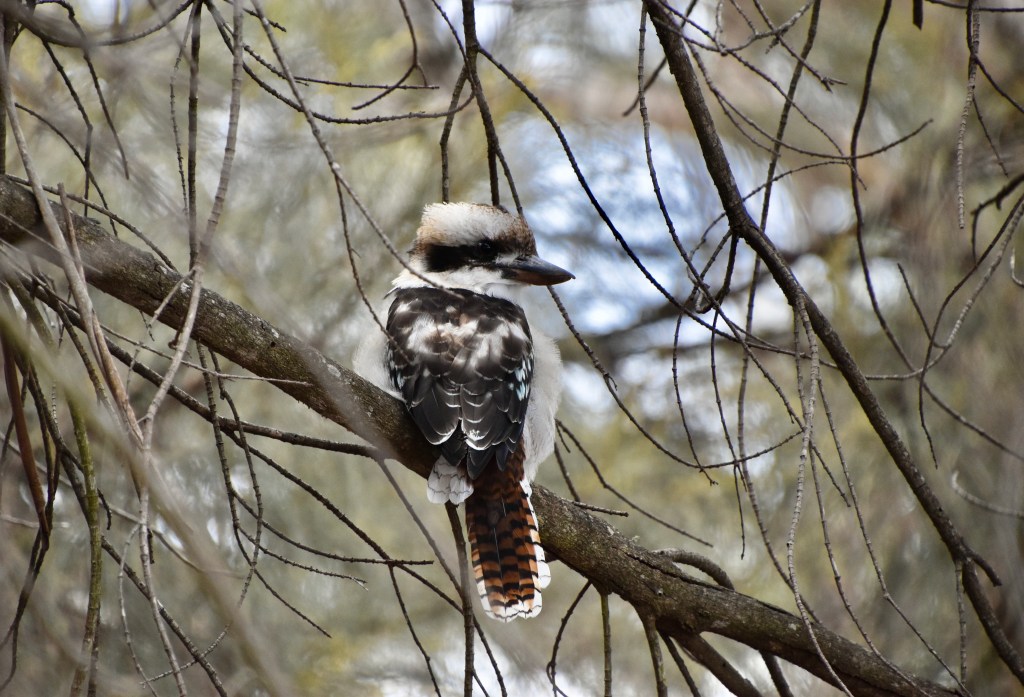
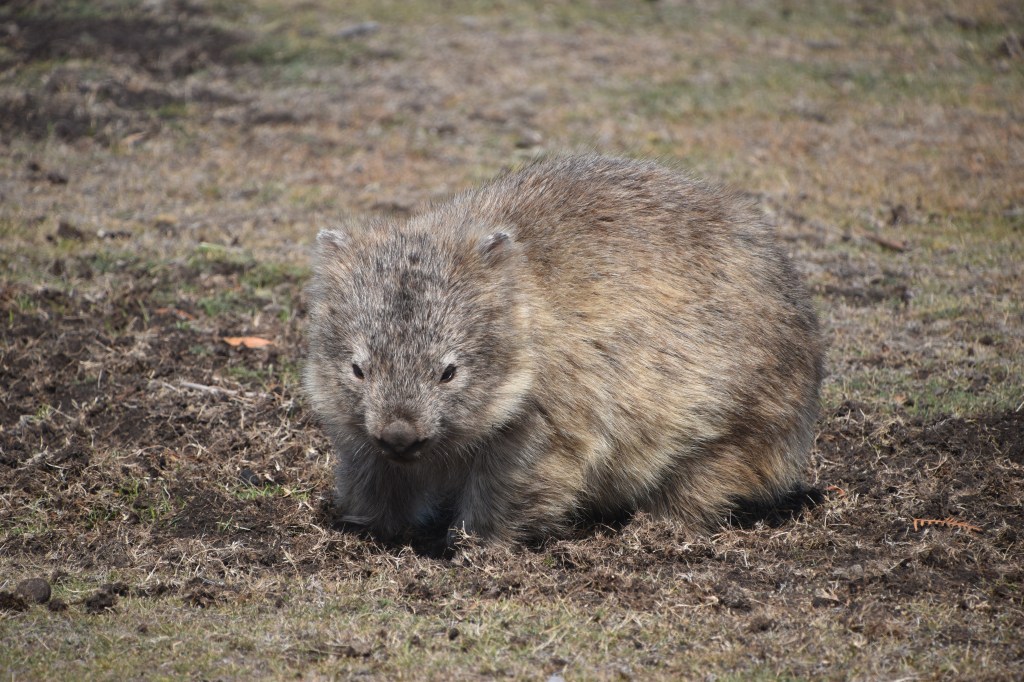
However, sometimes one doesn’t get what one wants, but you get what you need. My campsite was surrounded by grazing wombats and a Green Rosella roosted above my tent. In my short day and a half I did some wonderful walks and really felt surrounded by animals.
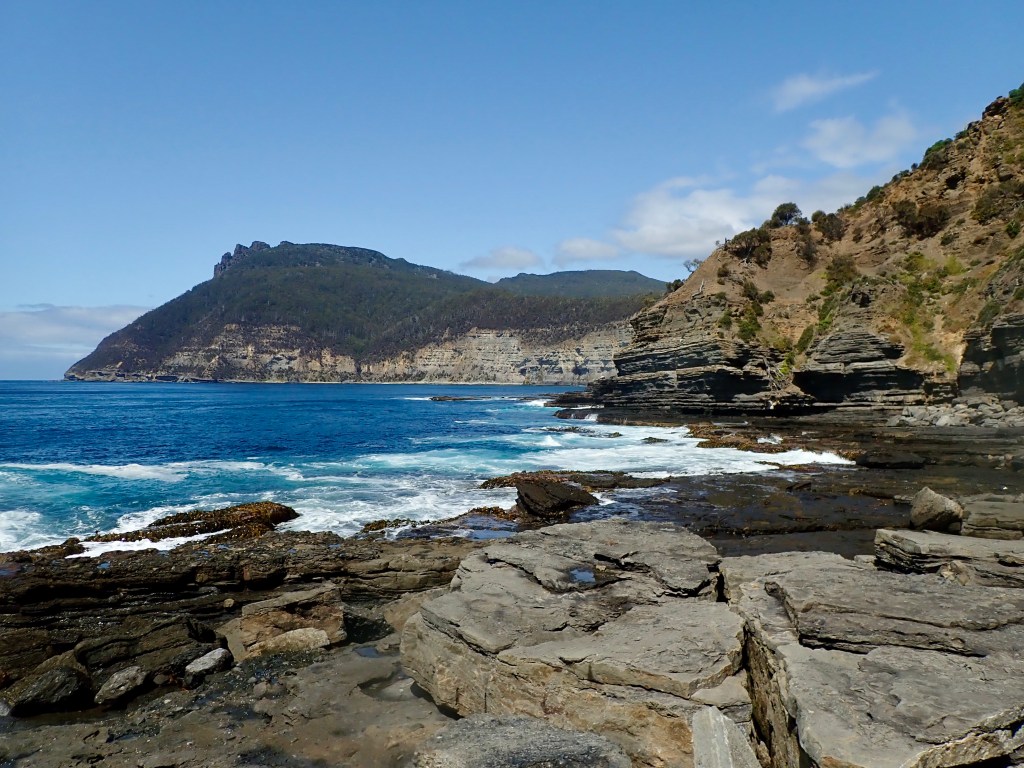
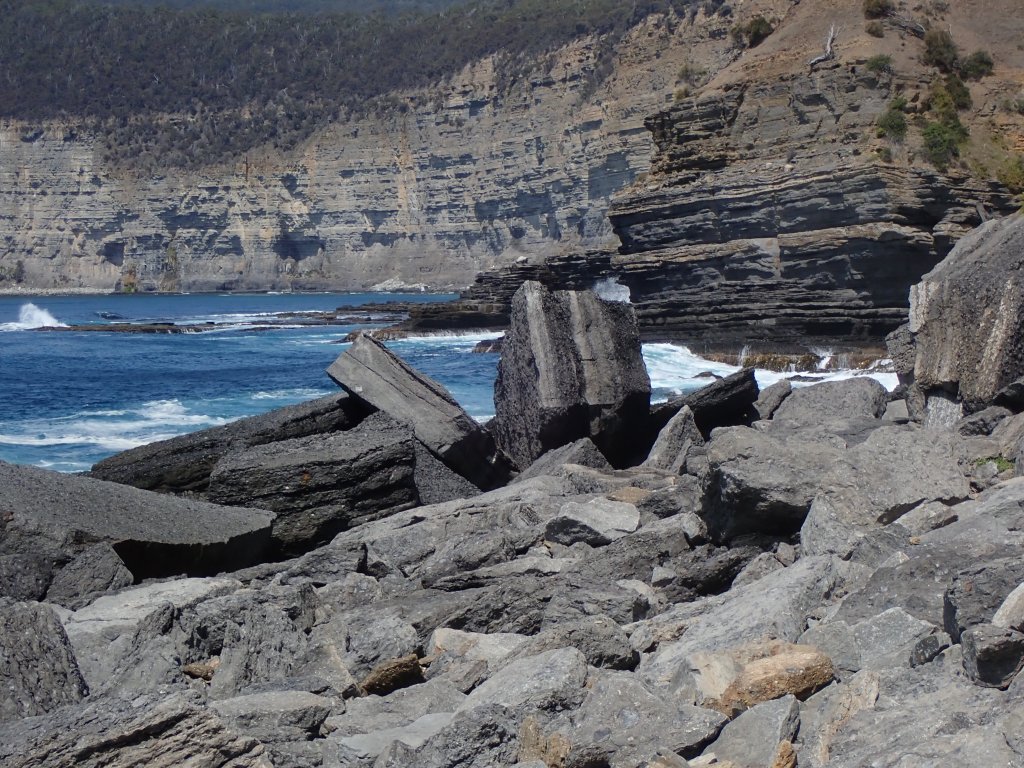
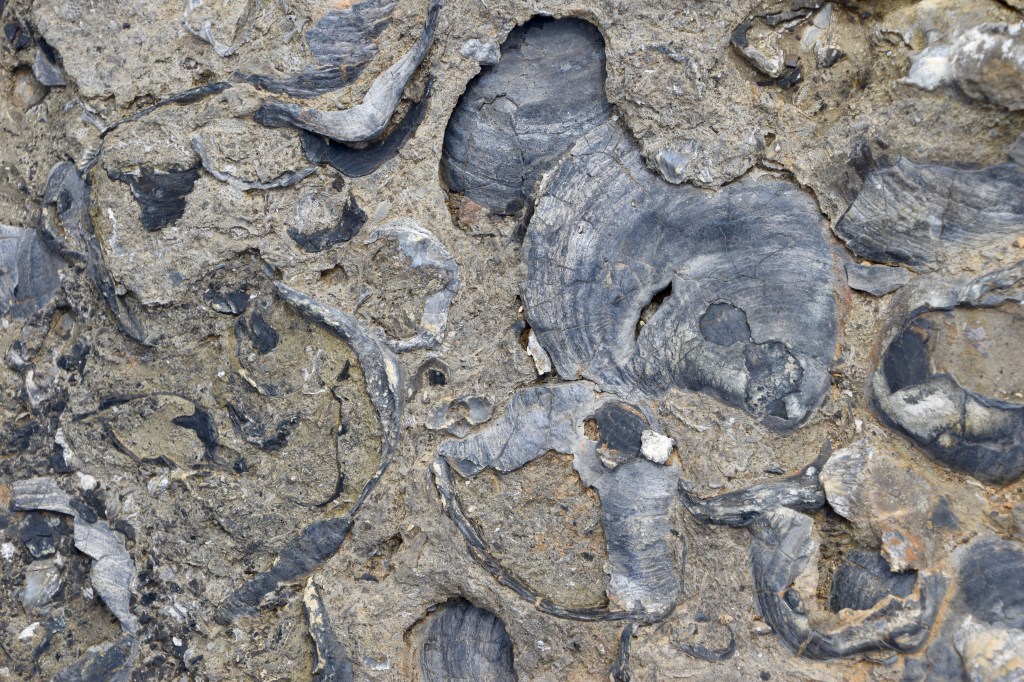
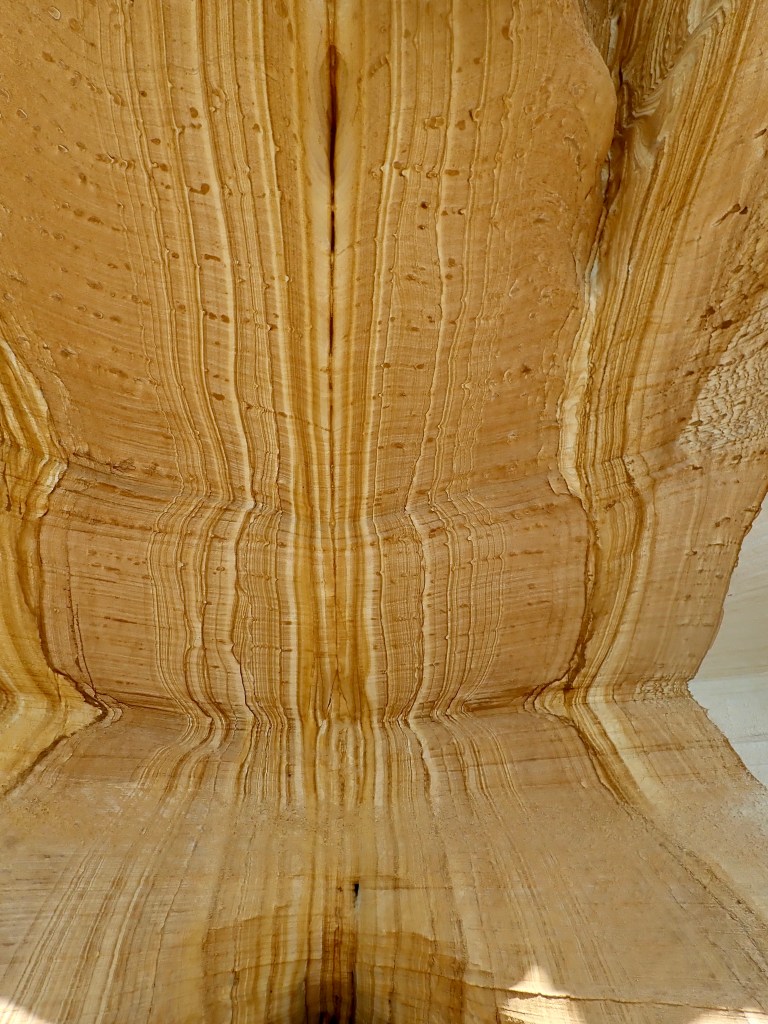
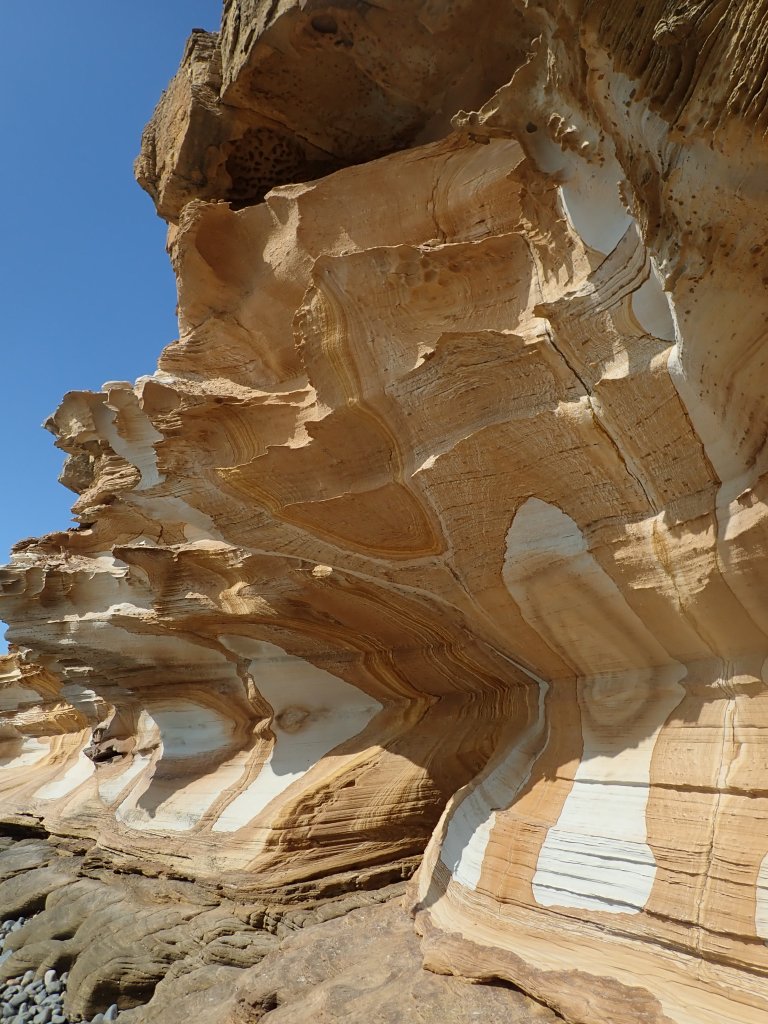
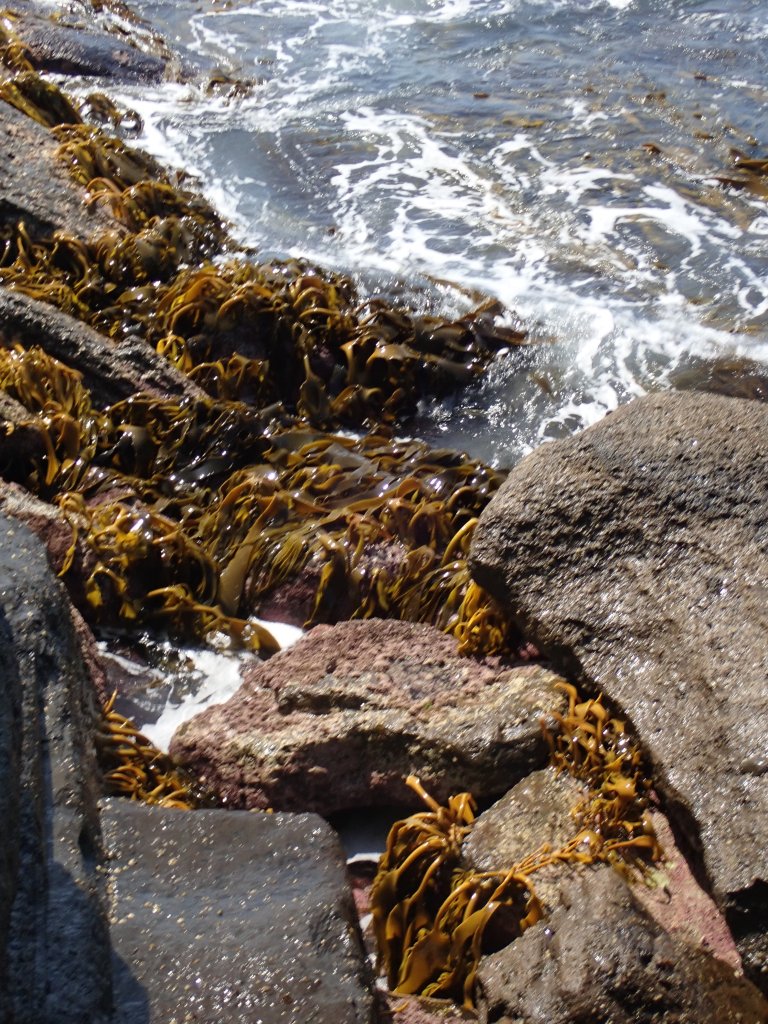
The first day I explored Fossil Cliffs, then made my way to see the Painted Cliffs at low tide. The fossil cliffs were the location of the ill-fated limestone quarry, while the geology of the painted cliffs is sandstone with iron-oxide streaks.
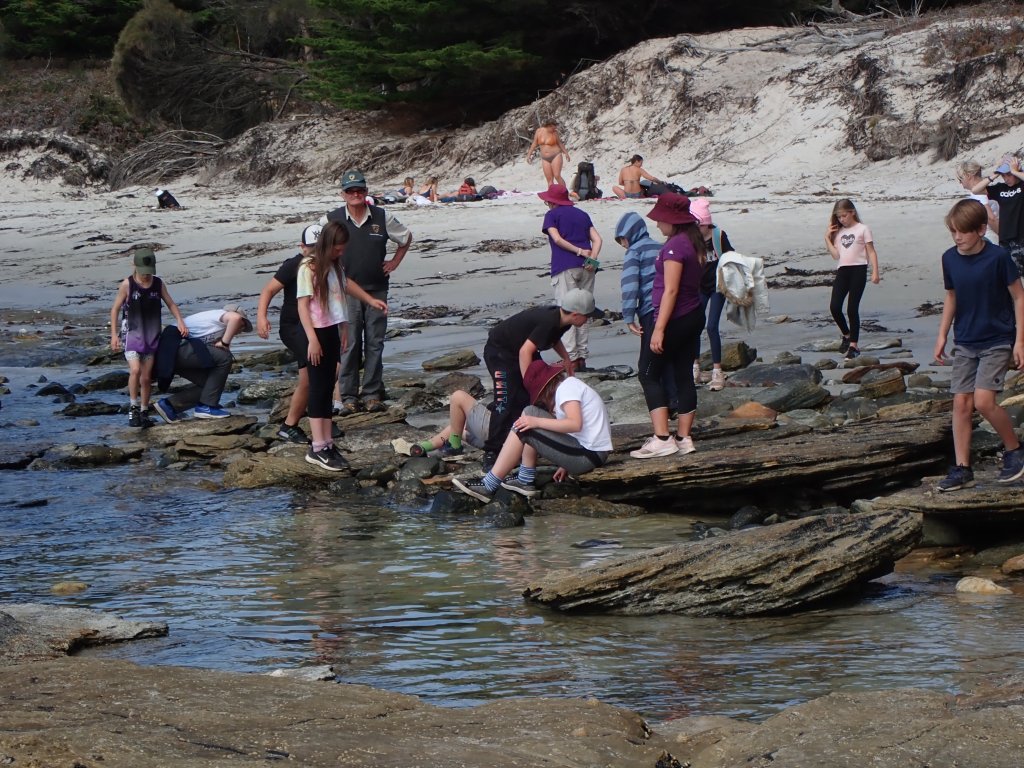
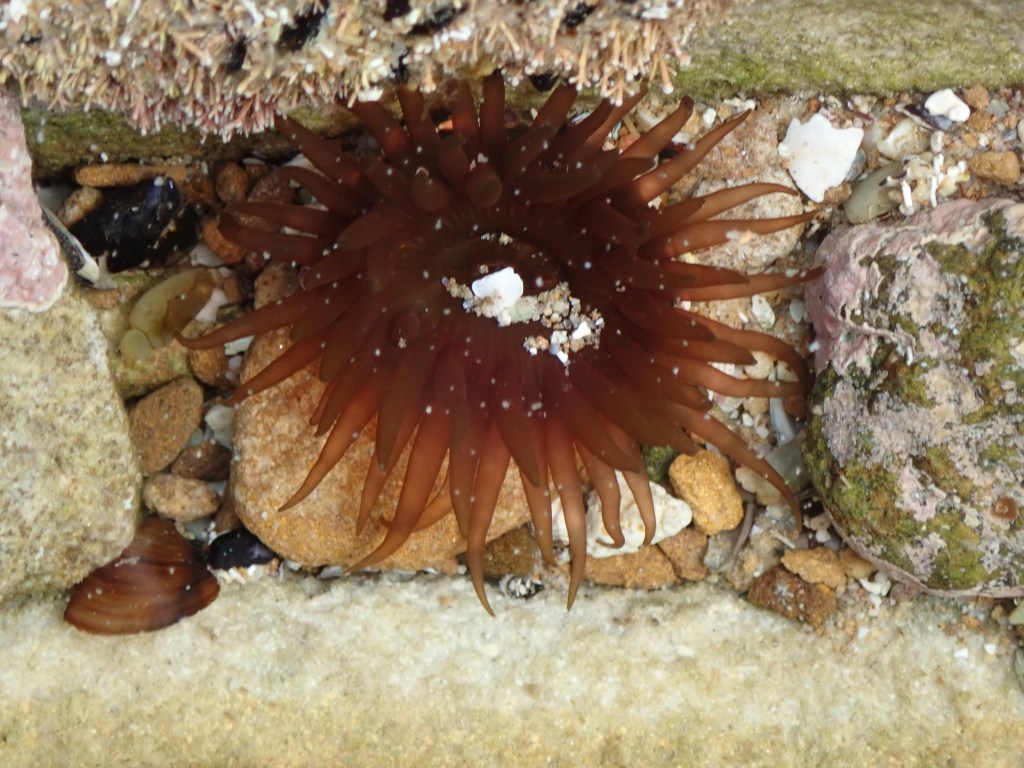
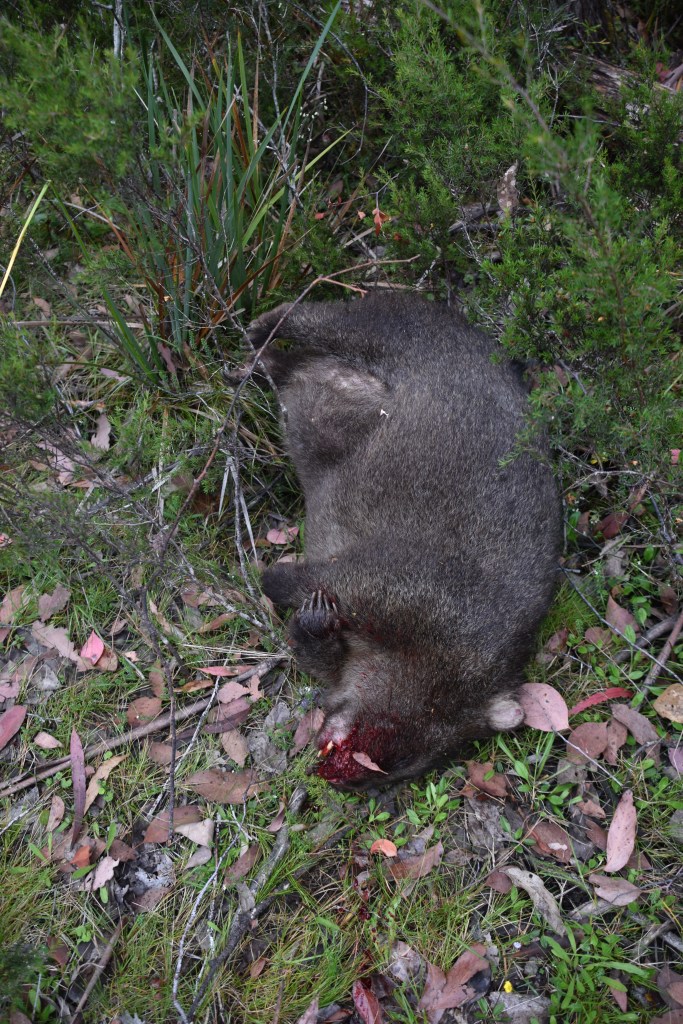
I tried to walk south past the Painted Cliffs towards the French’s Farm, but didn’t get so far as it was late in the afternoon. Really, next time it might be fun to bring a bicycle to explore the southern end and get to Haunted Bay. The slanting light of late afternoon brought out Common Wombats. These stout, solid creatures are really amazing. They are “diggers”, living in long burrows for most of the day. They have teeth like beavers, adapted for eating roots, grasses and fungi. Introduced foxes and feral dogs endanger the wombats in mainland Australia and some wombats were also introduced to Maria (I believe as a precautionary measure). Up until my visit to Maria Island, the only wombat I’d seen in Tasmania, was a road kill.
Did I mention that roadkill is terrible in Tasmania? Driving at night with bright lights endangers the wonderful fauna and in some areas, one might see 3 flattened critters including wallabies, possums, kangaroos and wombats in 100 meters.
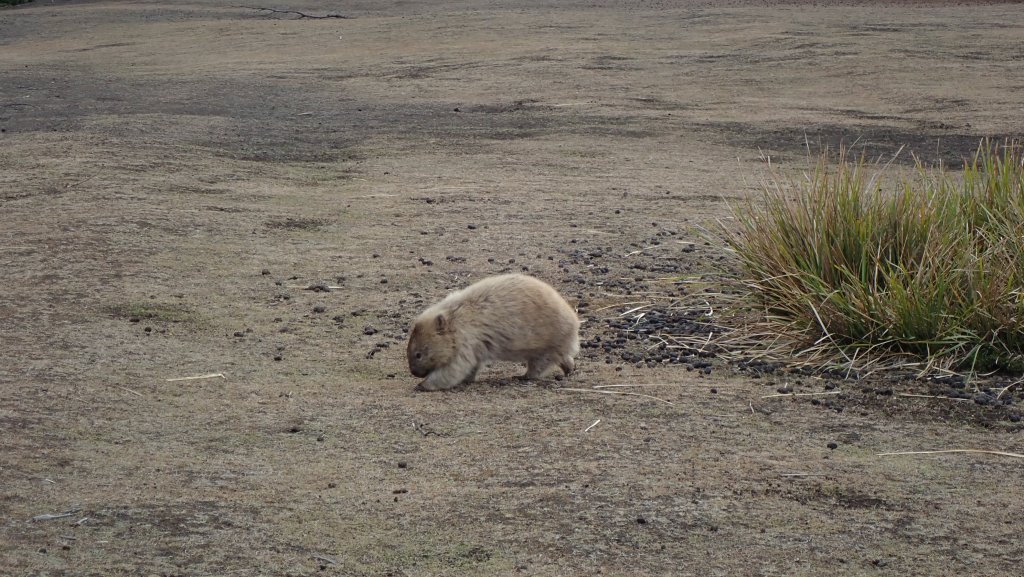
Wombats are marsupials but have their pouch facing backwards, so it doesn’t fill with dirt. They are relatively tame on Maria Island and signs warn not to approach wombats within 2 metres.
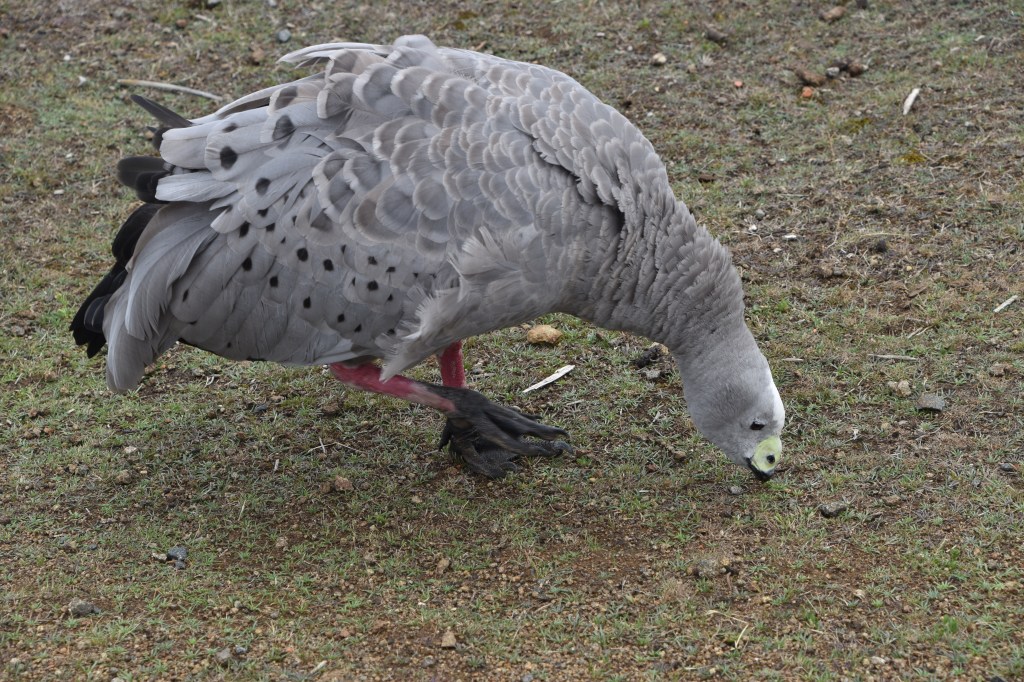
After my hikes, I went to cook dinner in the Penitentiary Mess Hall. It was brimming with university professors cooking up the students an amazing bbq. I got to chatting with one of the profs who of course, knows my friend Maria Byrne! He offered me a lovely steak which offset my one-pot vegan chili! After supper, I went out spotting in the dark. So many wallabies, pademelons , a Brush-tailed Possum, kangaroos and even the Cape Barren Geese grazing away.
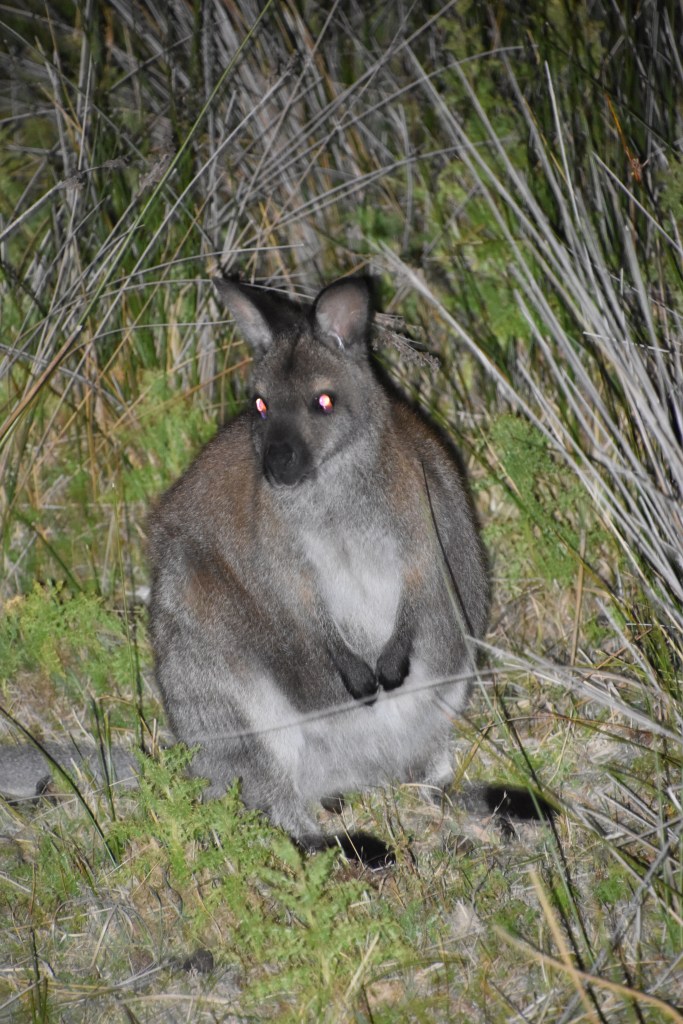
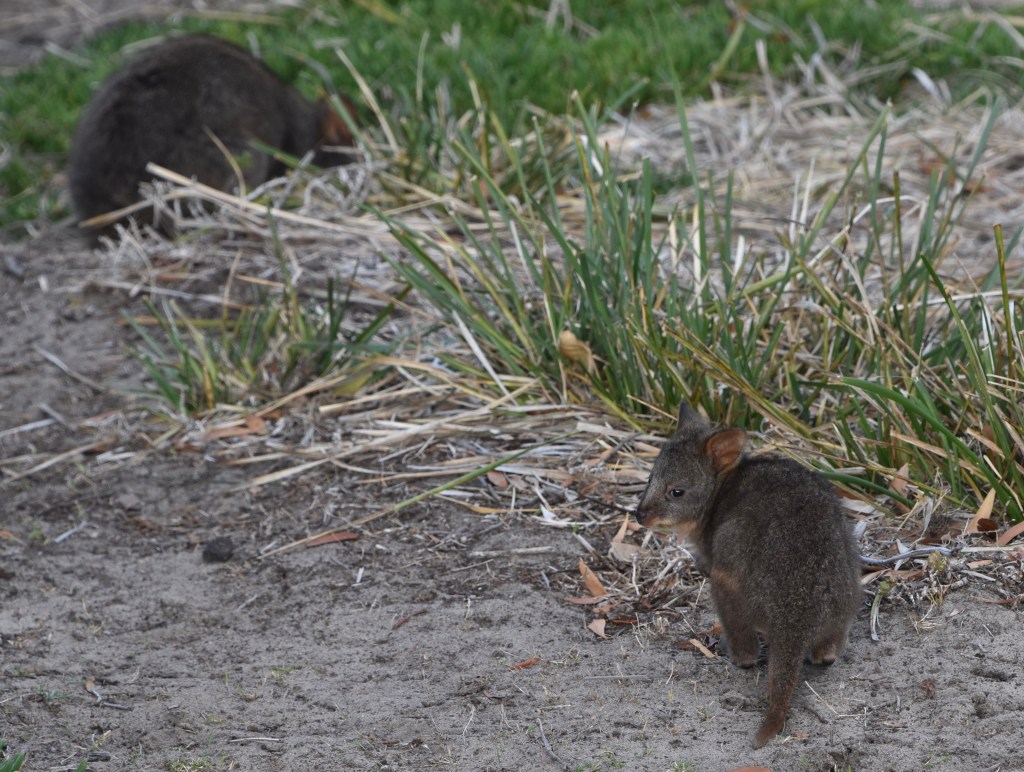
My night in the tent was interrupted first by wind, then a crazy rain shower. I had to tie the flaps of my tent up due to the windy location. However, a sudden rainstorm got me out of bed, pegging and zipping the entire tent down. Early morning I rose and went to make breakfast before the mess hall filled up. I met a bicyclist who was peddling the “Tassie Trial” which gave me inspiration to return to Tasmania for other adventures.
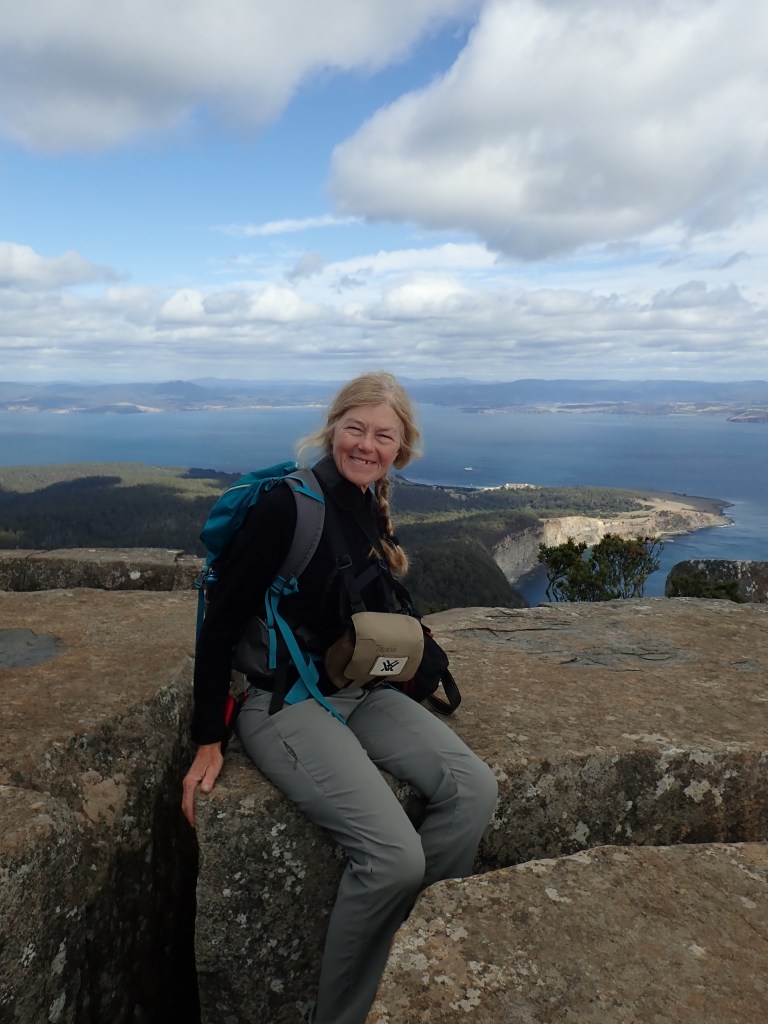
Stephen told me I must hike to Bishop and Clerk which is the second highest peak on Maria Island and a 4 to 5 hour return hike. It was fabulous. First there was the walk along the cliffs, then through a forest, then a good scramble up boulders. A school group on bicycles preceded me to a certain point and I met the kids on the way down.
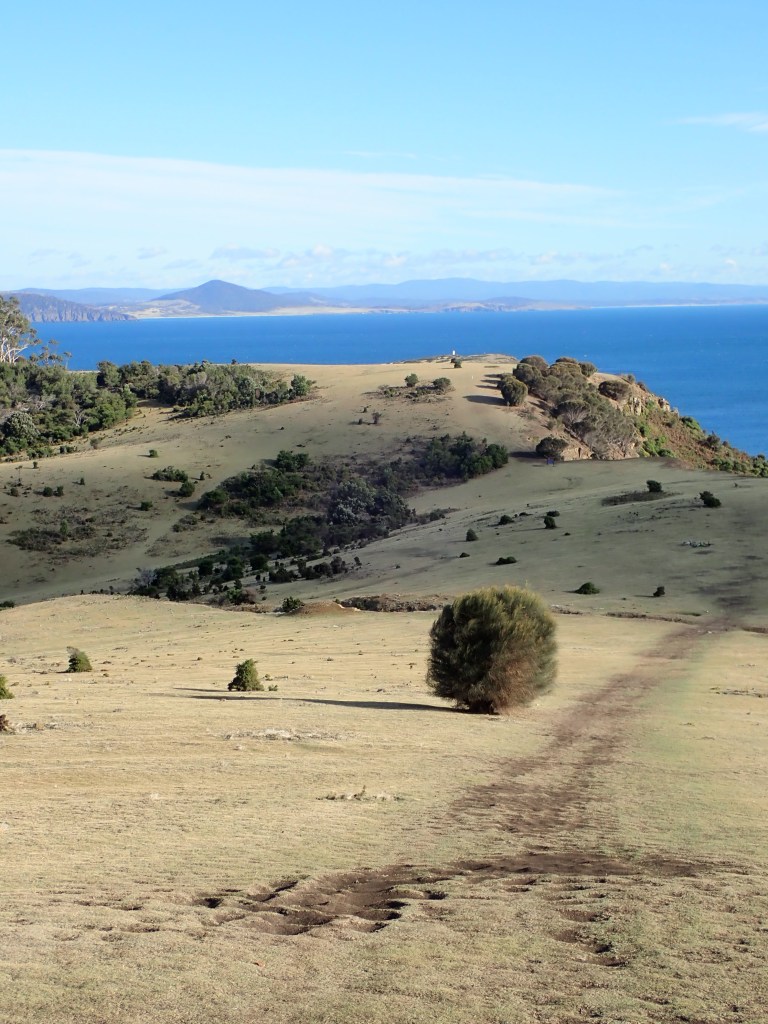
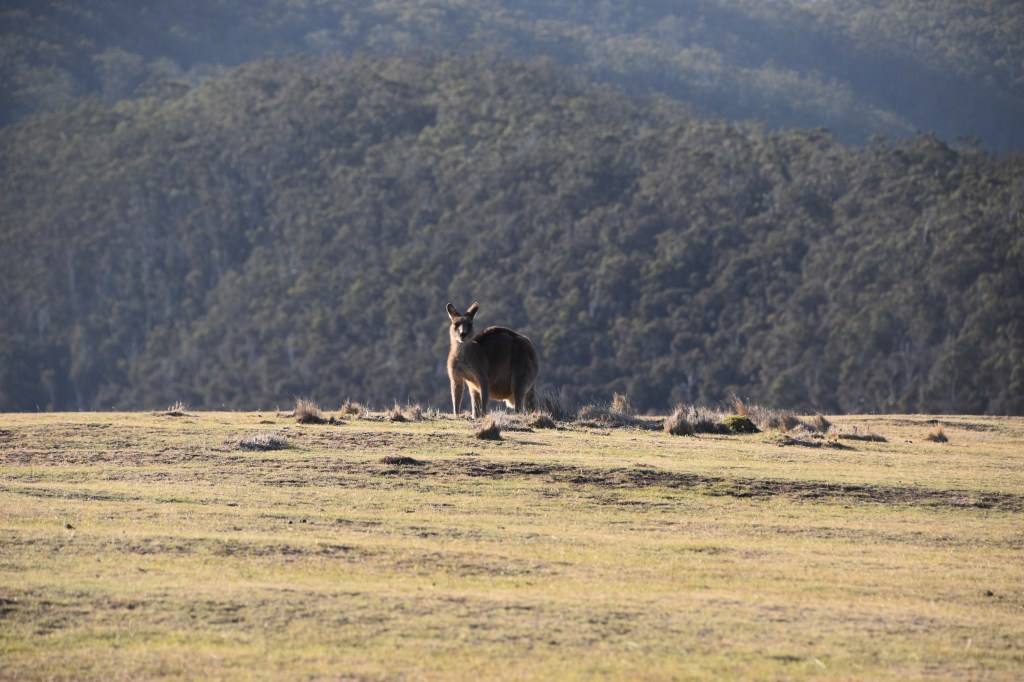
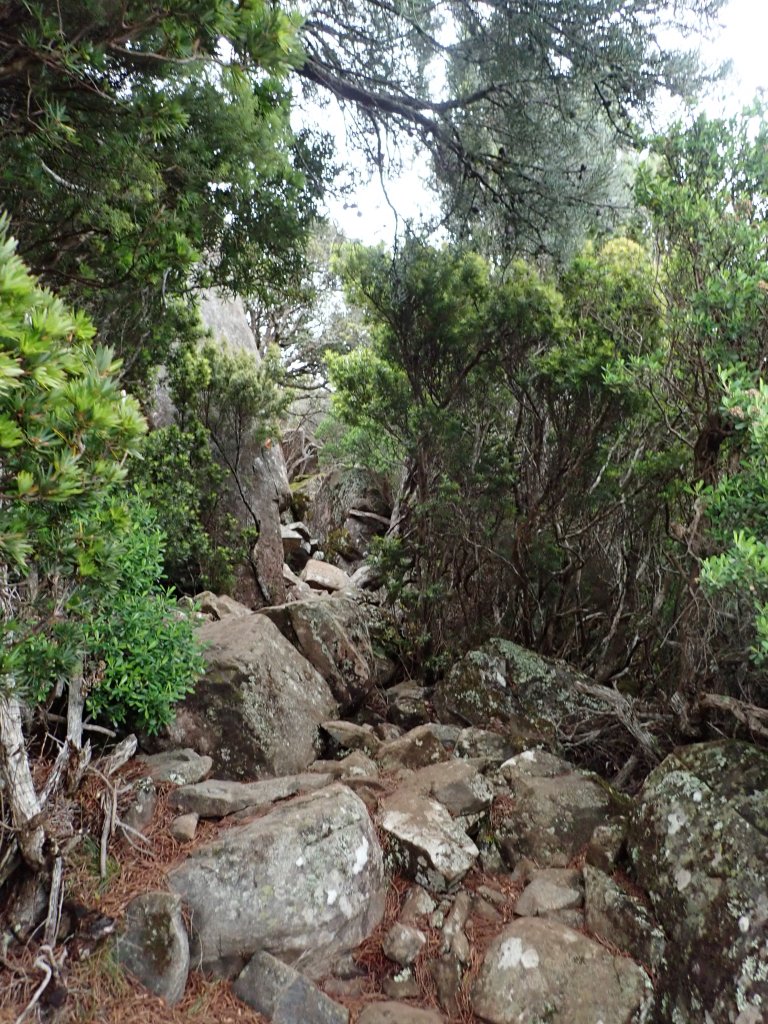
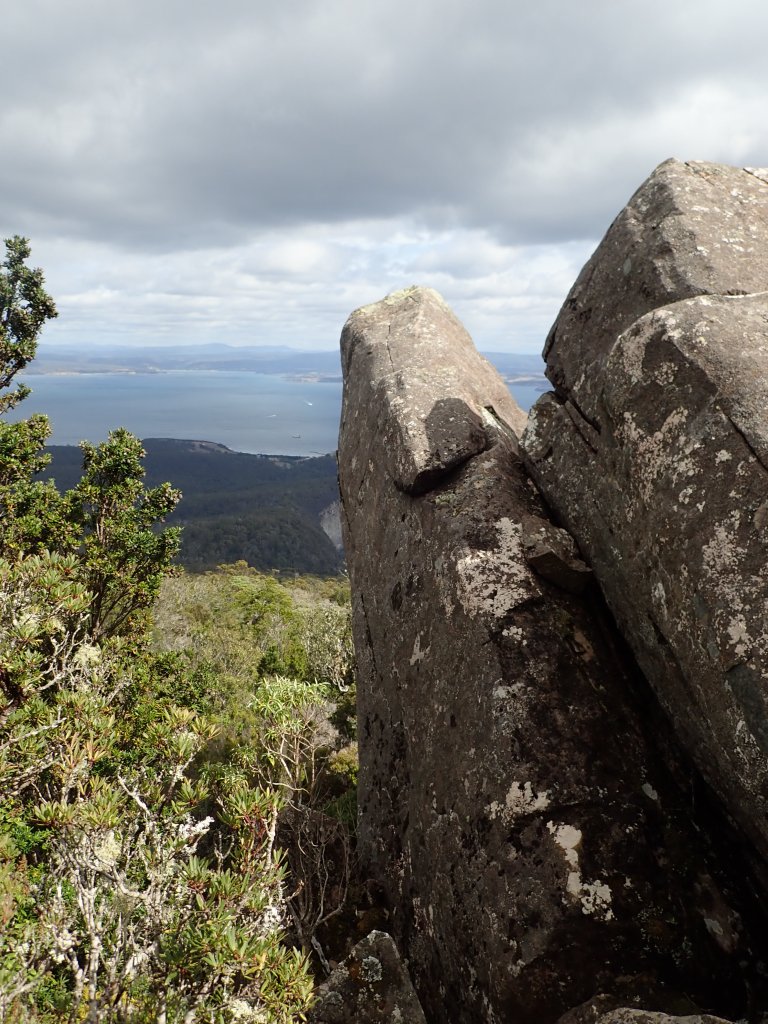
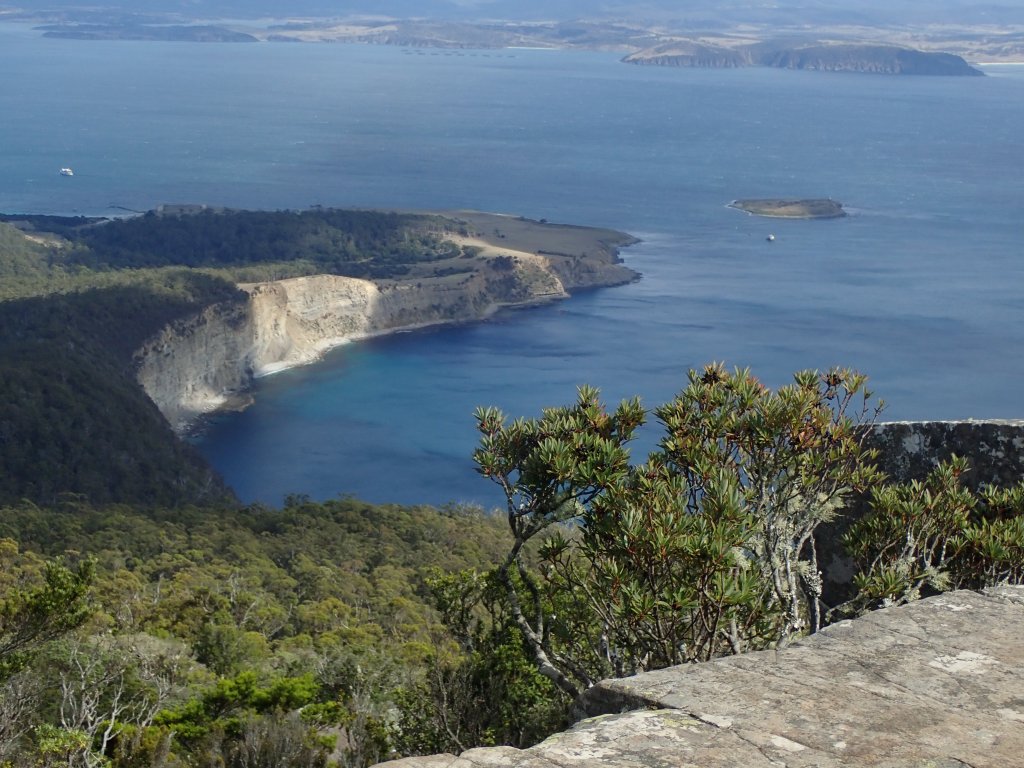
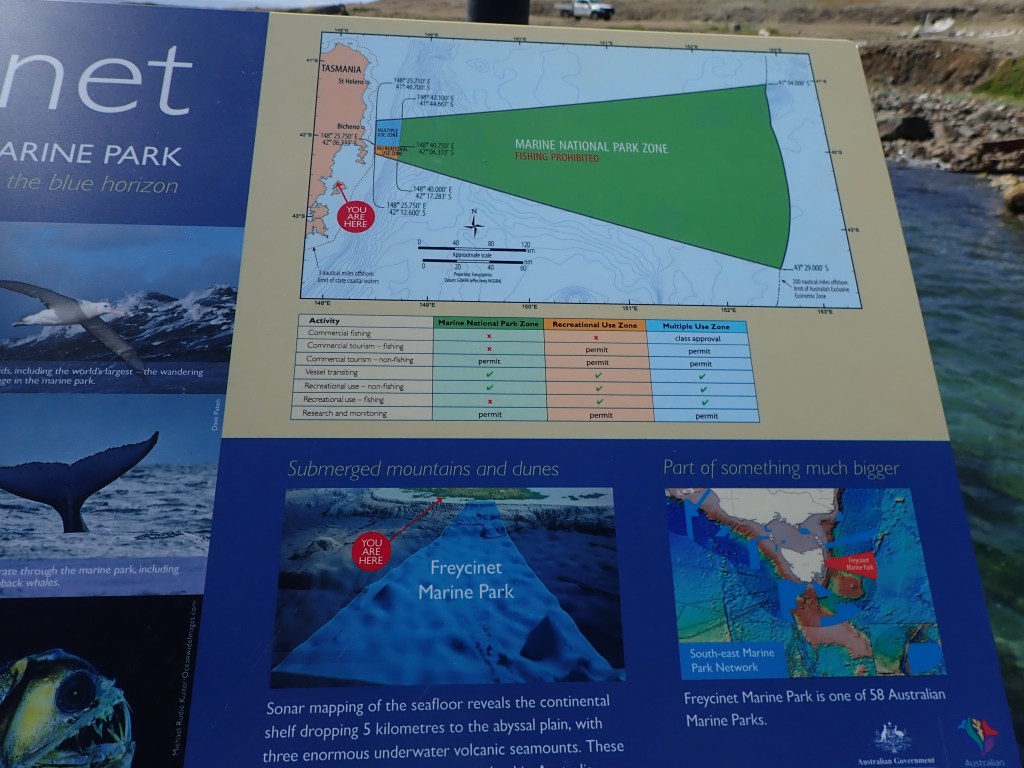
Although I’d brought my lunch to eat at the summit, it was a bit early and a bit inclement to be eating. Stephen says “One can get four seasons in a day in Tasmania” and that was certainly the case today (although we didn’t get snow). I trundled down the rocks and back to Darlington, eating lunch between drying my tent. After getting ready and before catching the ferry to the mainland, I was able to take in some of the history of Maria Island in the museum. Maria Island is also a marine reserve, so next time I’ll bring wetsuit and snorkelling gear.
Although I was on Maria Island for less than 2 days, it was certainly a fascinating visit and was time to catch the ferry and the Maria Island shuttle bus (operated by East Coast Cruises https://www.mariaislandshuttle.com.au/ ) back to Hobart.
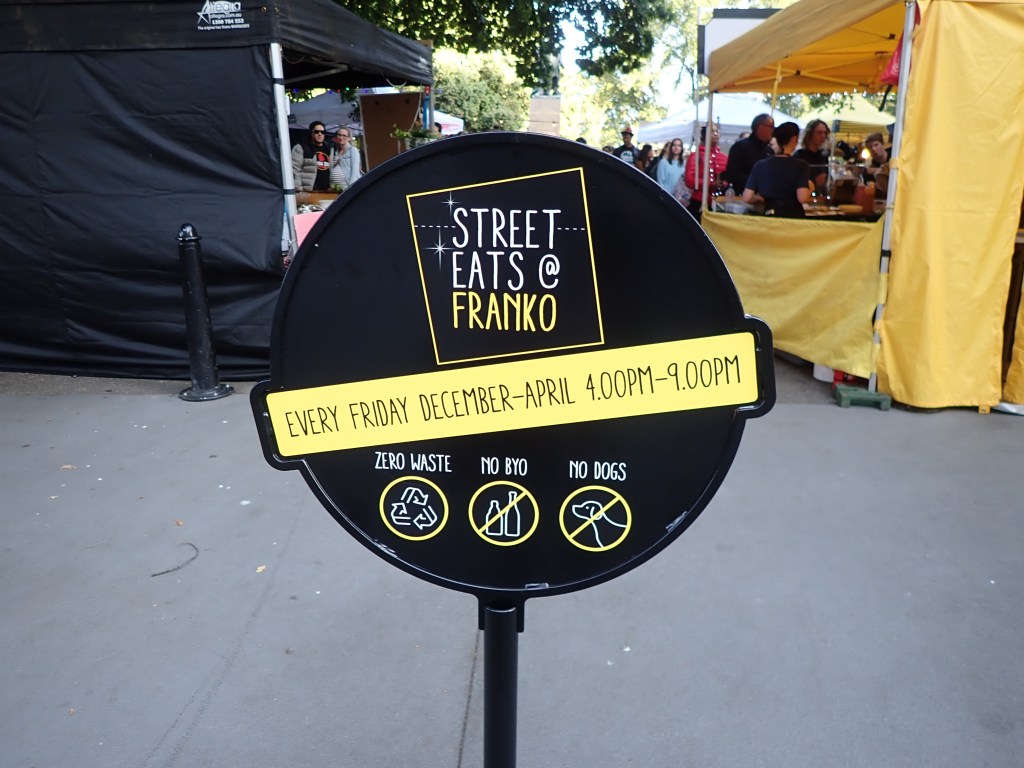
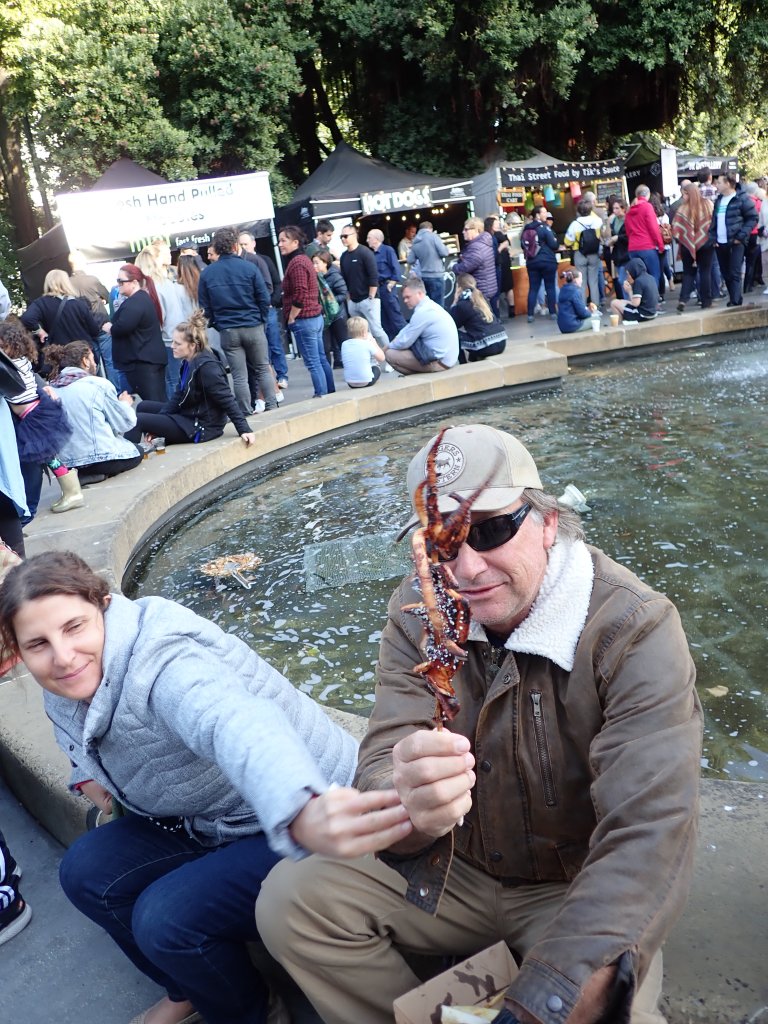
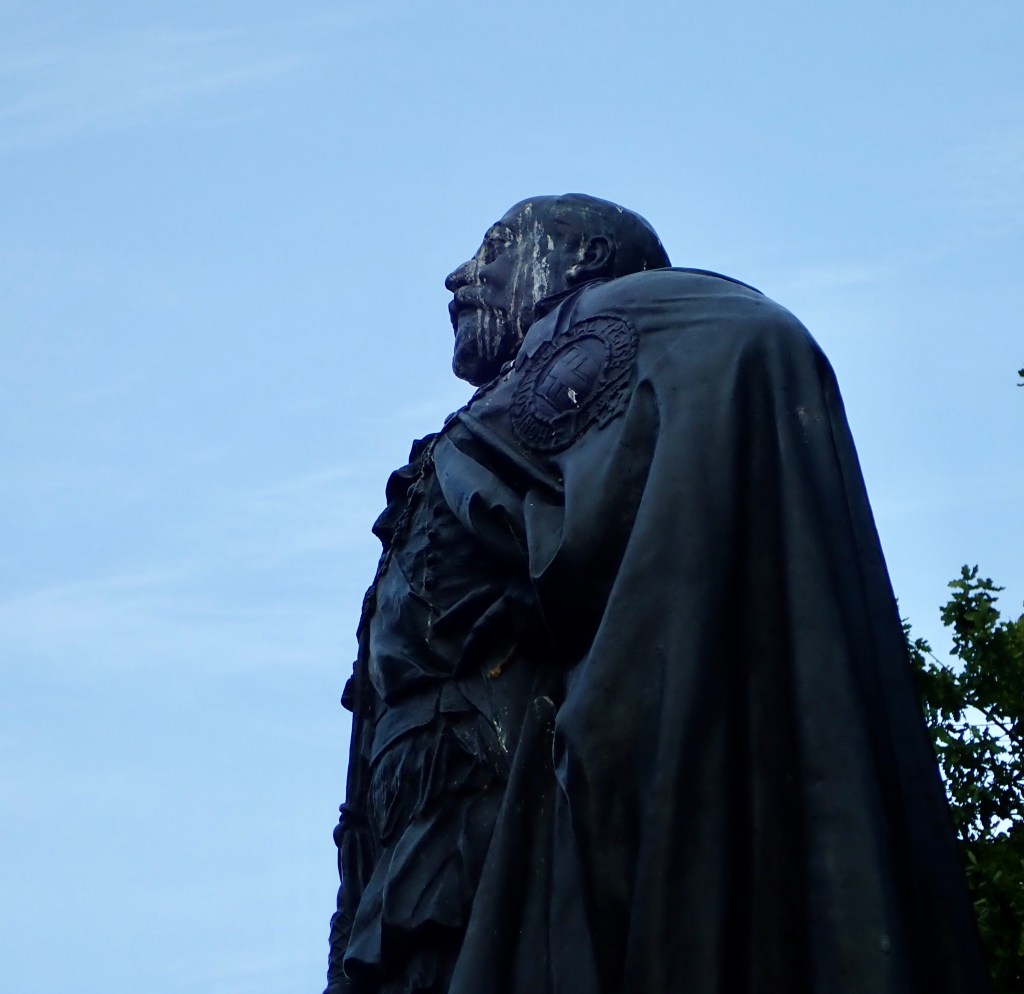
I arrived in Franklin Square, on a Friday Street Eats @ Franko event. What fun! Folks were partaking in great food and wine, while a local band was playing in the square! Lieutenant Governor Sir John Franklin would have been shocked by the action in his namesake square in Hobart today!
By the time I reached Stephen and Heidi’s on the bus, they had a lovely dinner prepared and of course there was getting ready for the Shorebird count in Pipe Clay Lagoon. You may not see a blog on this expedition, nor the hike on Mt. Wellington, nor the bird-banding trip on the morning of my flight. There simply isn’t enough time to blog between such action packed adventures in Tasmania! I’ll just have to come back. Thank you Stephen and Heidi for such a wonderful time!

 Trudy’s Pacific Adventures
Well done Trudy Keep ticking off those islands with your fun, enthusiastic attitude and inquiring mind, we loved the company cheers Stephen
On Tue, Feb 25, 2020 at 10:45 PM Trudy’s Pacific Adventures wrote:
> Trudy Chatwin posted: ” Common Wombat (Vombatus ursinus) outside my tent > on Maria Island. Wombats are declining generally and this light-coloured > wombat may have been one introduced here from Flinders Island north of > Tasmania Shore of Maria Island from Fossil Beds. Bishop an” >
LikeLike
So great to see Heidi amongst the wombats and echidnas and koodaburras and splendid fairy wrens. Thanks Trudy for your naturalist journals almost feels like being there!
LikeLike
Trudy, your interpretive tales are a nice break from the daily routines of a work day. Thank you
LikeLike
Well Trudy your writing and photos are outstanding.!. Keep it up with more adventures, great photos, eloquent writing, and you shall have a great book some day; fascinating. Stuff!!
🦒
LikeLike