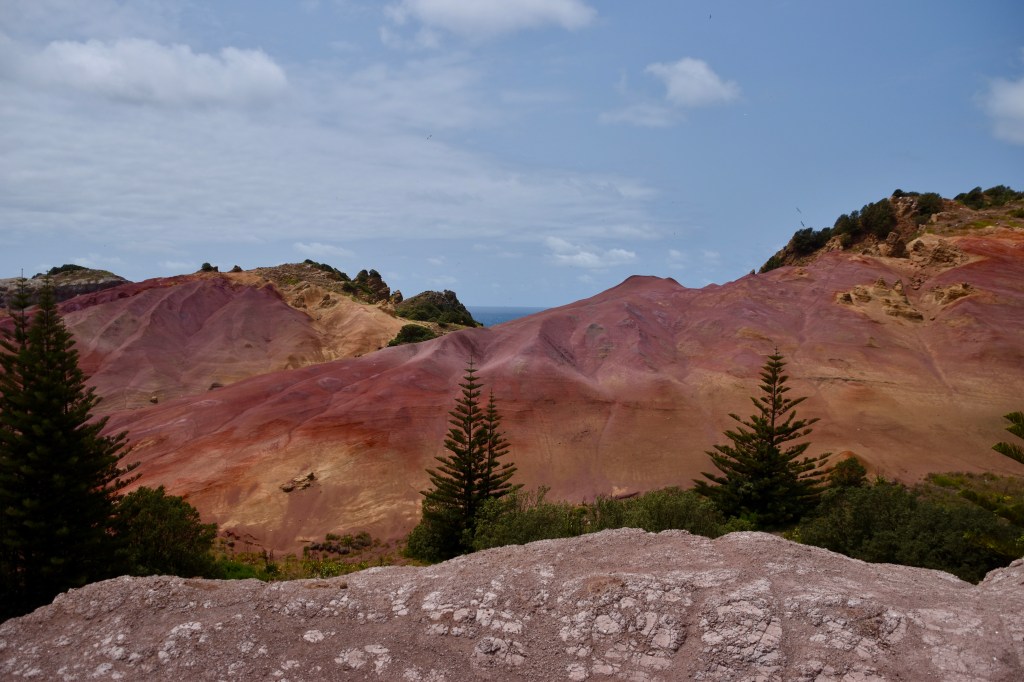
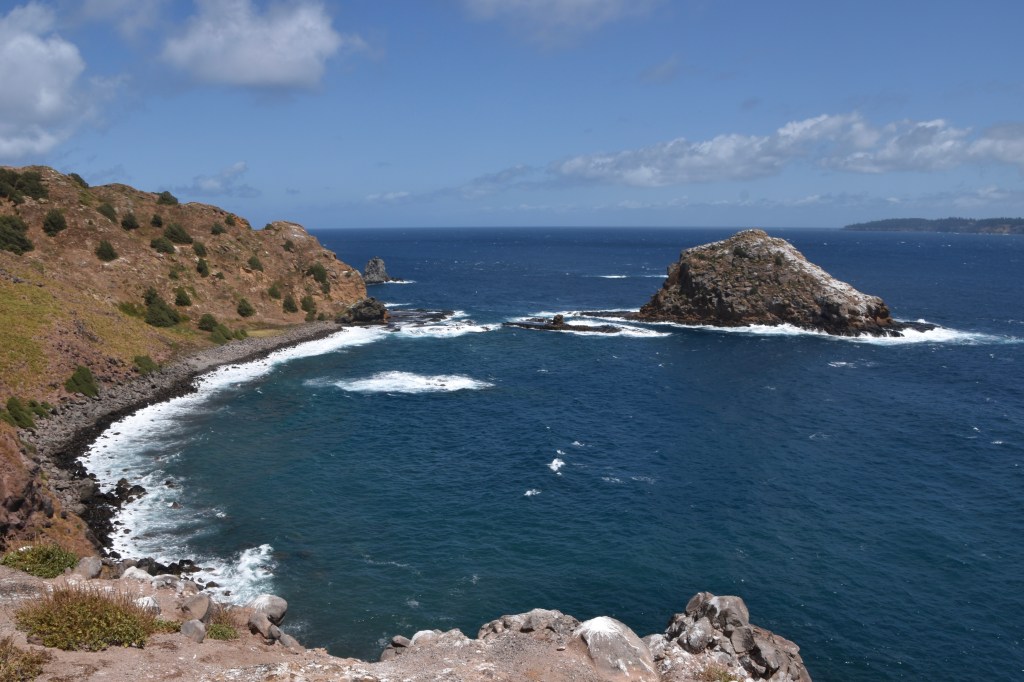
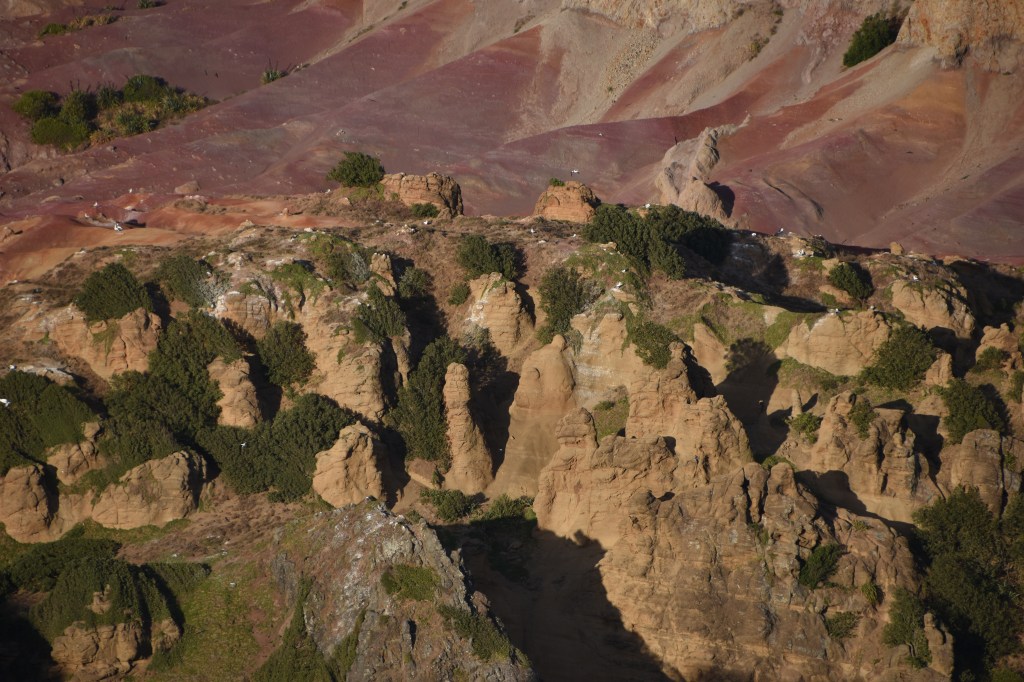
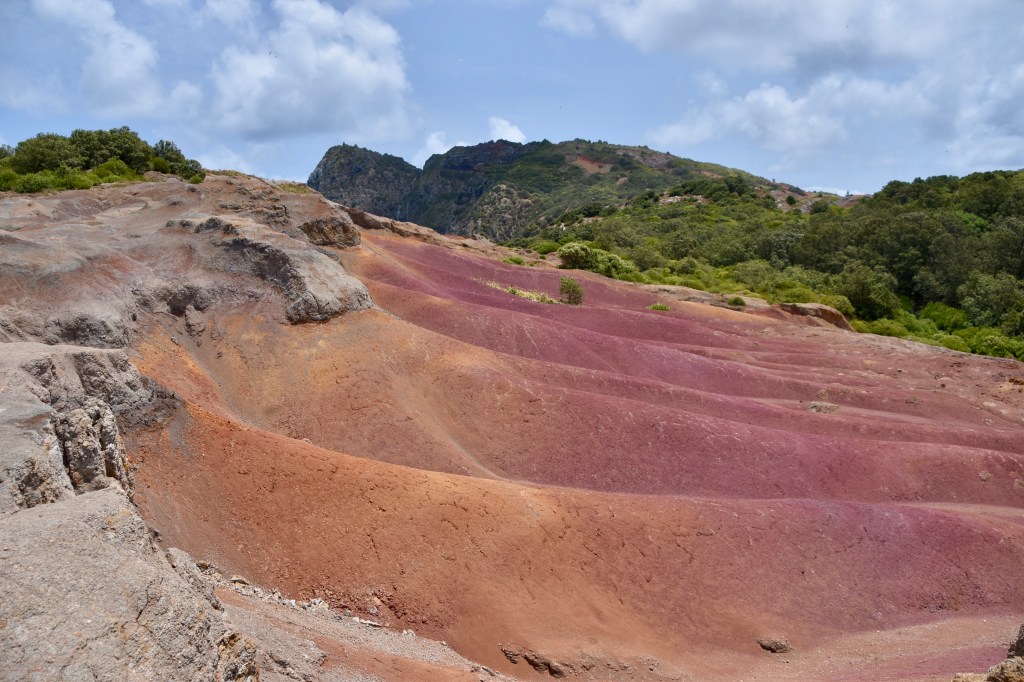
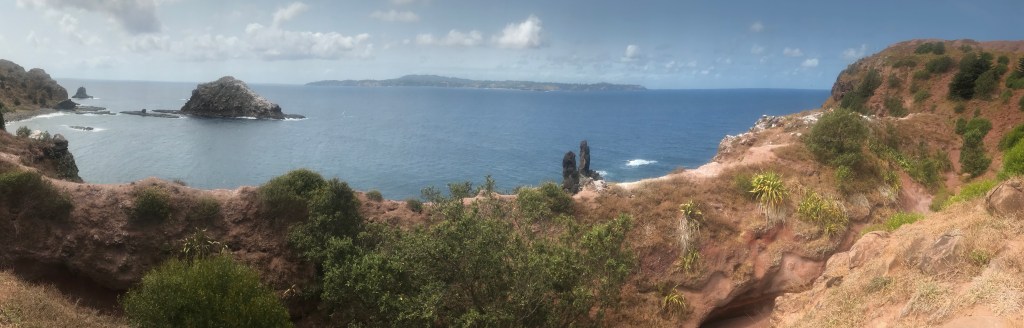
Phillip Island is definitely one of the world’s most other-worldly landscapes. With its ochre red to purple hills, hoodoos, black cliffs, pure cerulean blue sea, Dr. Zuess looking Norfolk Pines, odd nocturnal reptiles, giant centipede and it’s seabirds in the air and underground. Phillip Island is not only remote, but unique. How did it come to be, have all the endemic species and be so important to the seabirds? Really it is a story of change over the millennia. The players being fire, wind, sea, rain, wind, the plants, animals with of course, people.
‘First there was sea. . . just the sea . . . ” Peter Coyne writes in his excellent book “Incredible: the amazing story of the birth and rebirth of a natural treasure: Phillip Island South Pacific”. .
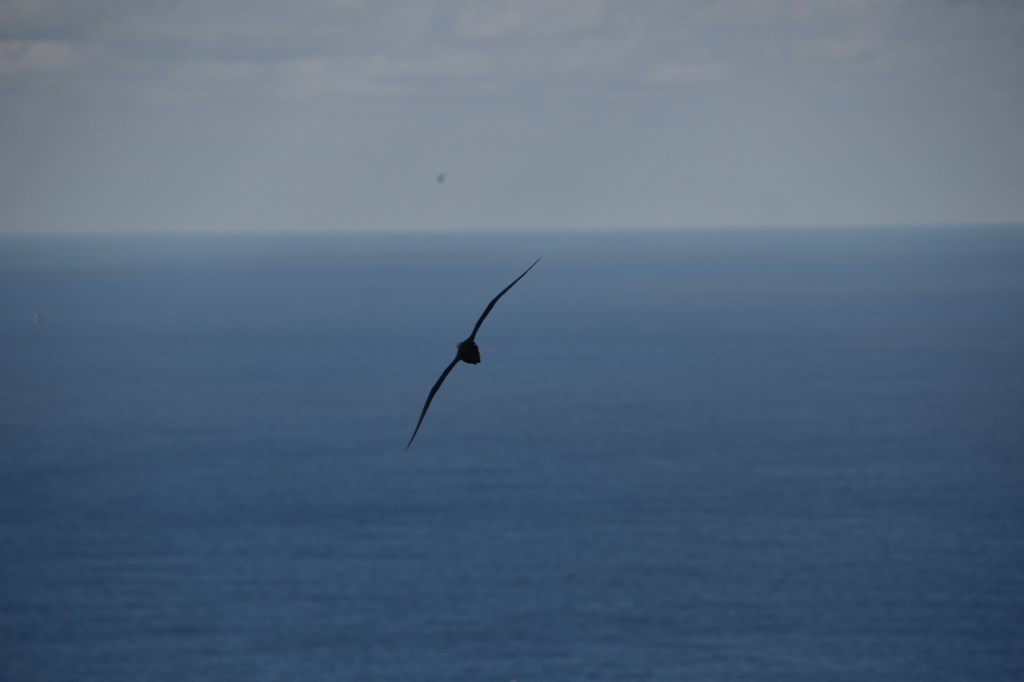
As those of you that know me as a biologist, you know that I struggle to remember geological history and rarely venture there. However, the formation of Phillip Island and its history over time is so important to the biogeography and life here that I will attempt to give a timeline to this story of the island’s extraordinary landscapes and inhabitants. My credit in this blog goes to Peter Coyne, the original manager of Norfolk Island National Park for re-counting the geology and natural history in his excellent book.
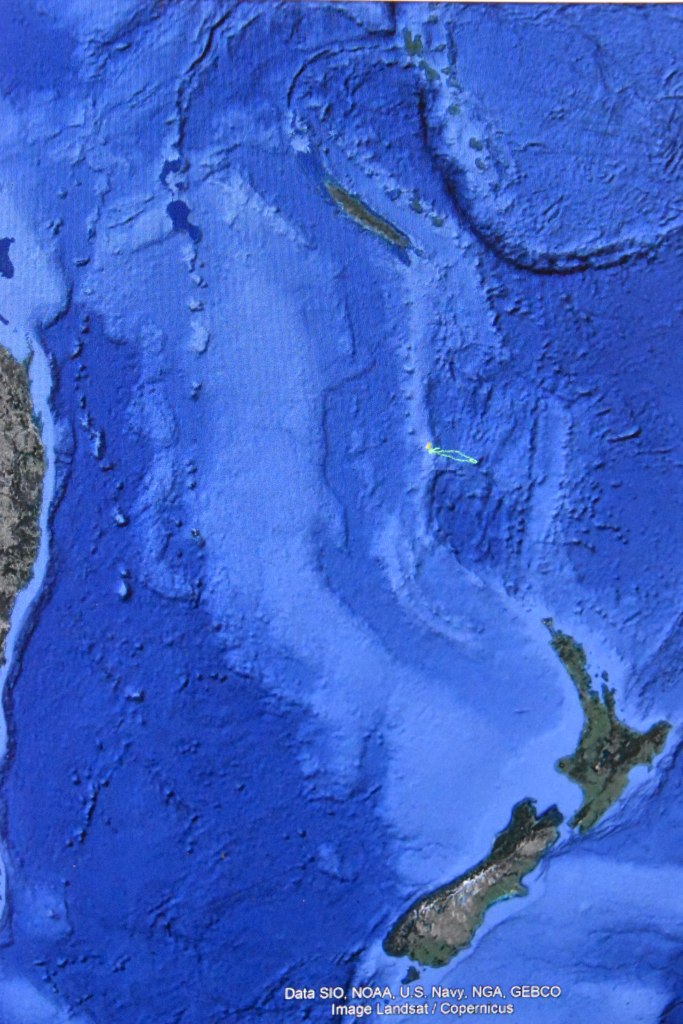
Norfolk Ridge presently underlies Norfolk and Phillip Islands. It is an ancient piece of Gondwana that broke off eastern Australia eighty to sixty-five million years ago in the Cretaceous Era. It drifted eastward then subsided and subsided until it is/was about 1000 metres below sea level.
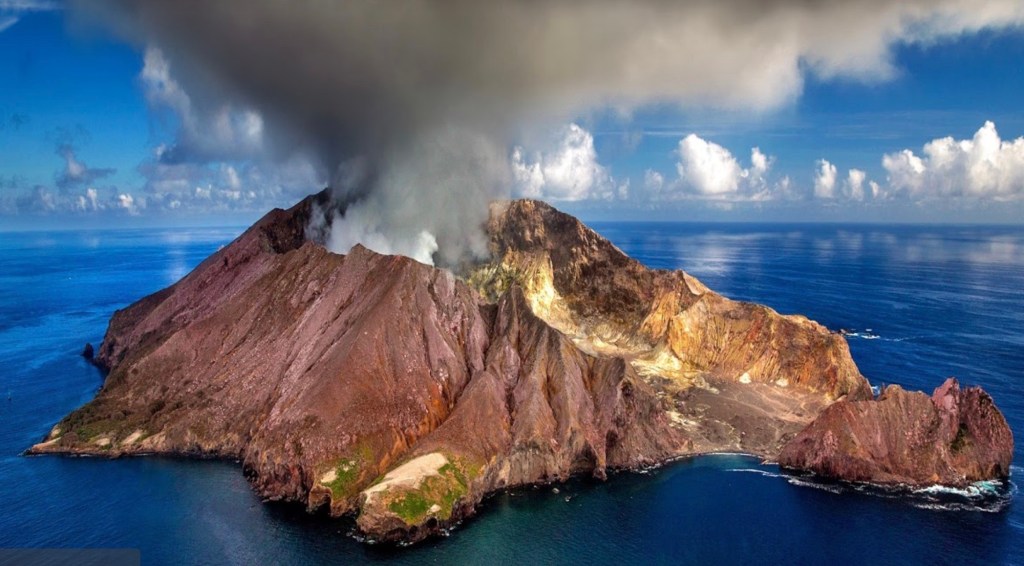
Norfolk ridge moved over a centre of volcanic hot-spot intrusions. These hot-spots are sea-mounts and islands. Between 20 and 26 million years ago, there existed a giant chamber of molten magma under the Norfolk Ridge. The pressure was so great that the magma was forced up through fissures until it reached the ocean. Waters boiled and lava hardened into basalt forming new material on the ridge and blocking escape of magma. Tens of thousand years pass and the volcanic process happens again, then again and again until a new seamount is formed. Think White Island, which just erupted in December 2019.
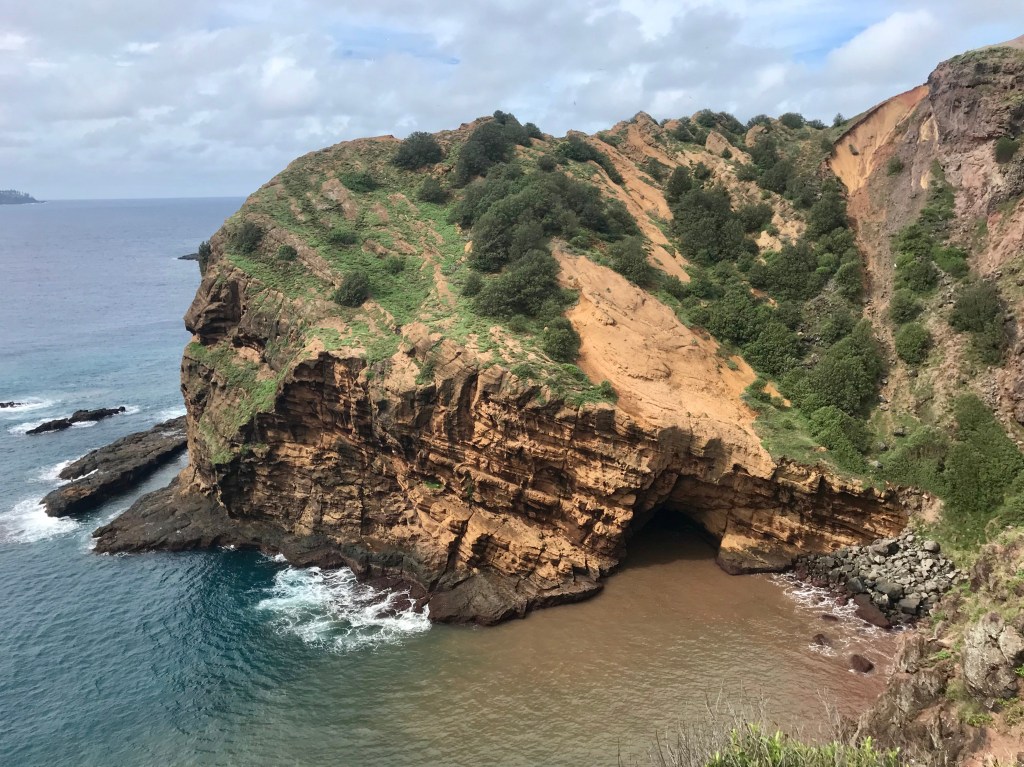
Once volcanic activity ceased in the Miocene (ca. 20 M years ago) the top of the volcano formed an island about 100 km long and 35 km wide. The island eroded from ocean action to below sea level and formed coral reefs. Then millions of years later, volcanic activity resumed again. Eruptions were violent. Gases mix with ocean water to form a froth which produces unconsolidated tuff. Eventually eruptions made an island so big that it wasn’t able to be eroded to below sea level. In some areas of Phillip, one can see lava (basalt extrusions). Different layers are produced from different flows extruding from the molten core.
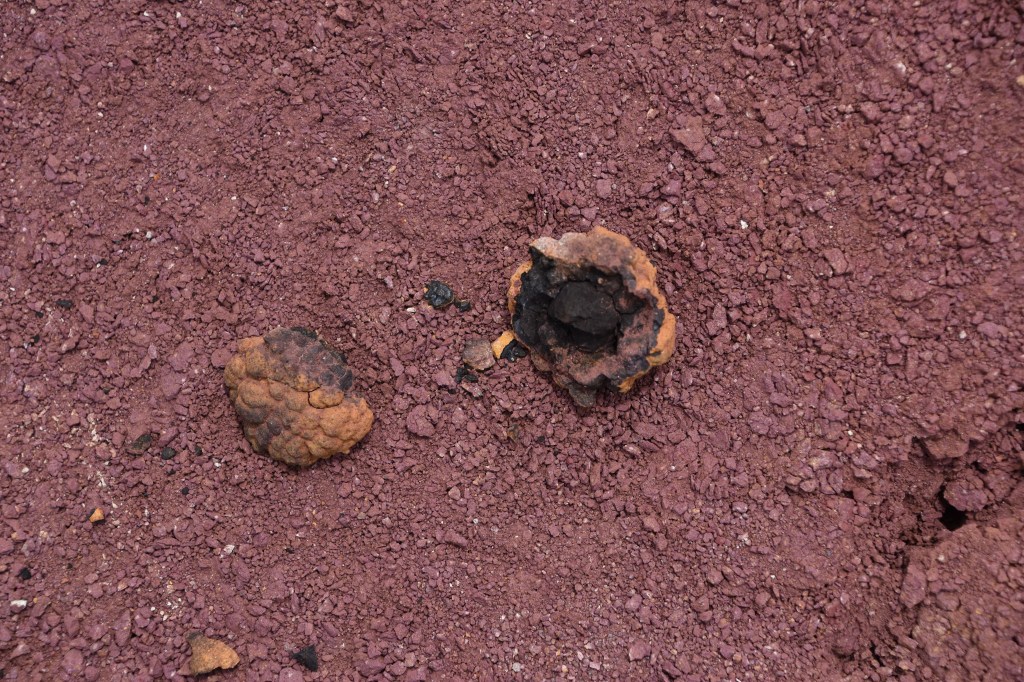
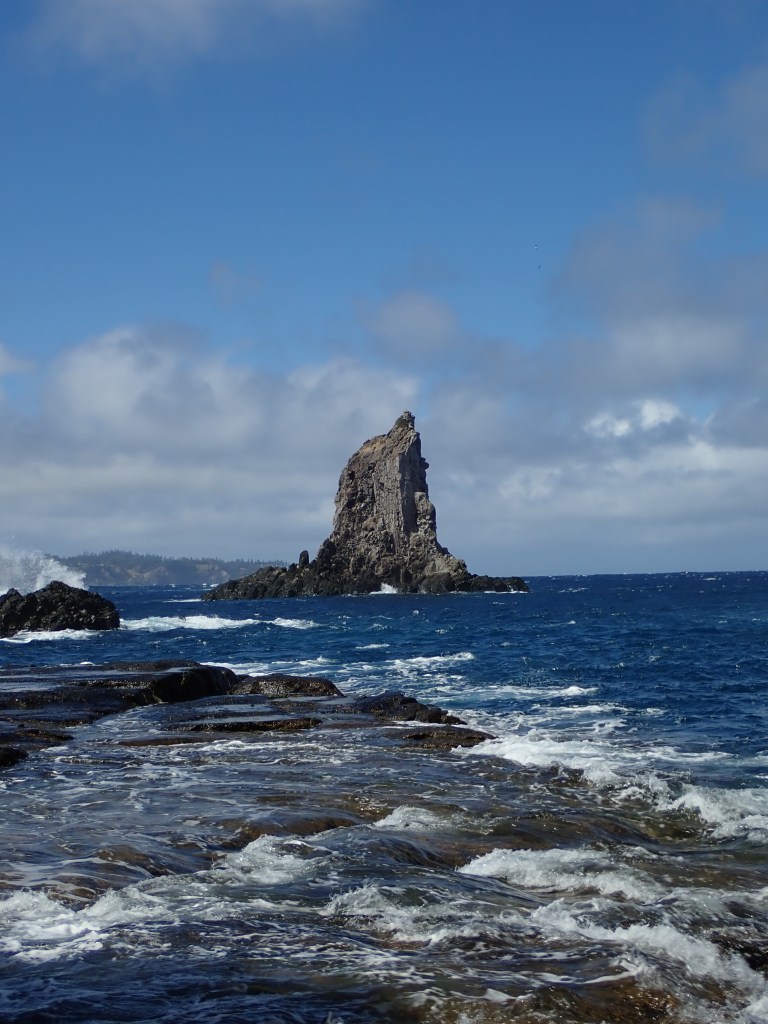
During periods of cooling when the island stopped erupting, corals colonized the edge. Spores and seeds germinated on the tuff and seabirds colonized the island. However, underneath the magma was active and explosions occurred, blasting everything off the island again. Cooling and colonization was repeated and each time Phillip Island grew from the vents. Jacky Jacky was the main vent. There was another vent in Spin Bay (see last blog “Hiking the Booby Trail to Spin Bay”) and one near Sail Rock in the Stool. This vulcanism continued to 2.3 Million years ago. Phillip Island was likely three times as large as present and then the relentless forces of erosion shaped the island.
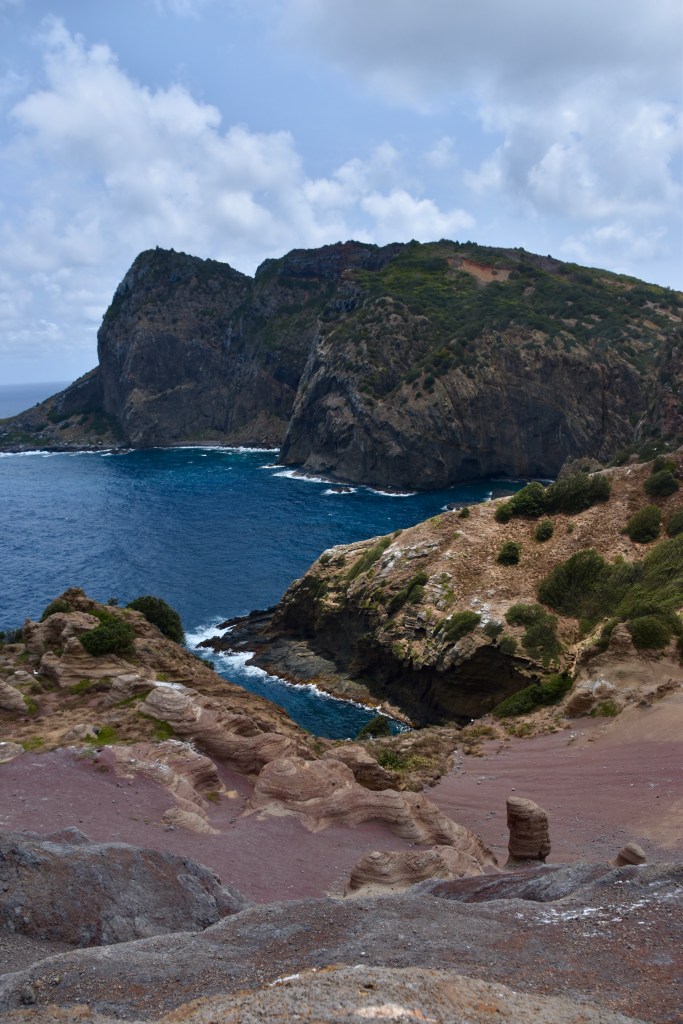
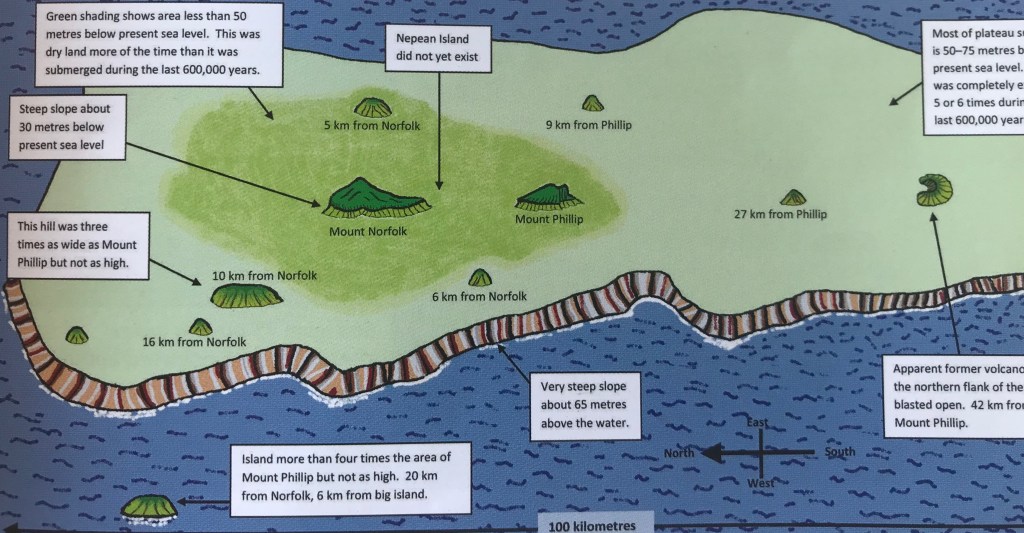
Glaciation in the northern hemisphere initiated sea level changes over multiple ice-age cycles lasting about 10,000 years each. Phillip Island sea level was at times, 150 metres lower! From 71,000 to 10,000 years ago Norfolk and Phillip Island were joined by a plateau underlain by limestone (from old coral reefs) and plants and animals could move between the two. Such a large island would be more conducive for colonization by terrestrial plants and animals.
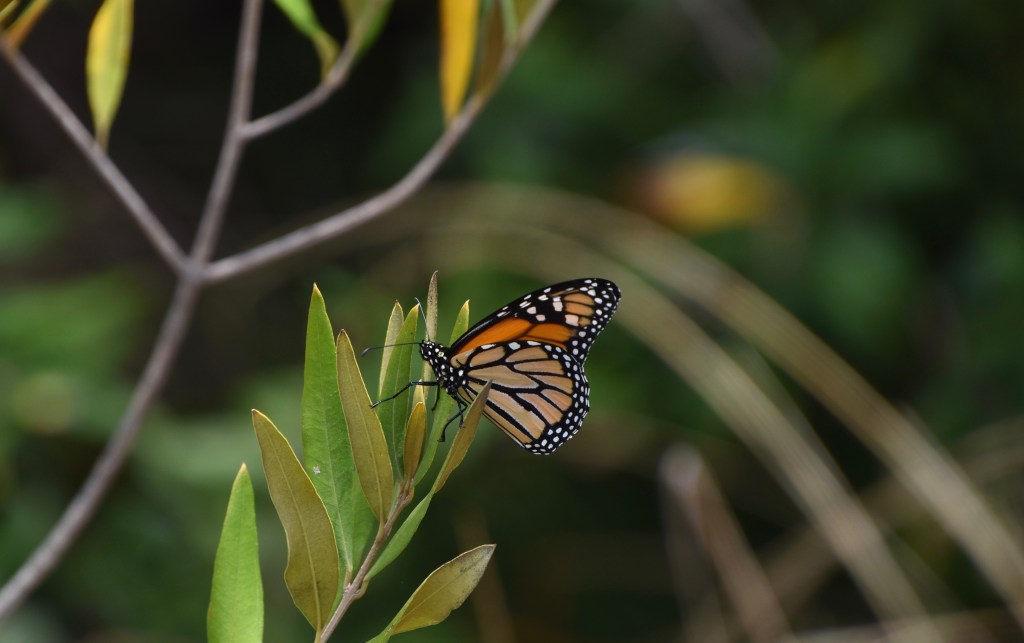
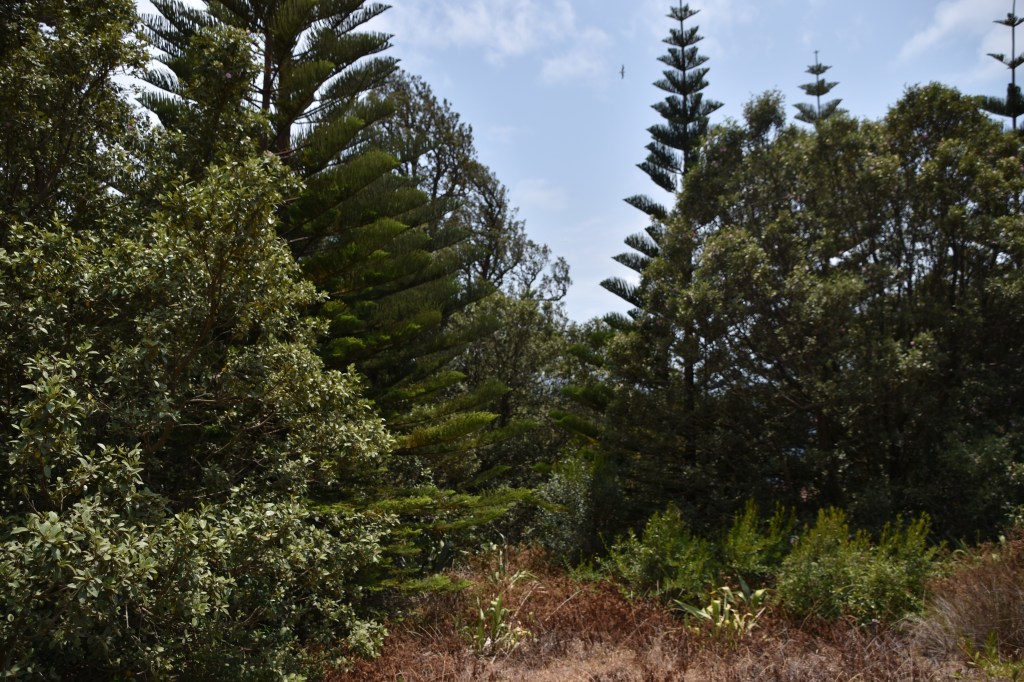
Sea level rose to the present level between 6000 and 10,000 years ago and the ecosystems of Norfolk and Phillip have developed separately. Spores from lichens, ferns and orchids came on the wind. Butterflies likely also came on wind. Perhaps, the reptiles arrived on a floating mat. The Norfolk Pine (actually an Araucauria related to the Monkey Puzzle tree) seeds likely floated up from a cyclone storm. Nesting seabirds brought more seeds and fertilized the soil.
Then came man . . . Polynesian navigators arrived on Norfolk Island about 800 years ago, bringing Polynesian rats and various plants. Captain Cook arrived on Norfolk in 1774 and the first settlers bringing convicts was 1788. Philip Gidley King visited Phillip Island in 1789 and describes the island covered in “fine rich red clay, 150 pines and a reed “which wants burning to clear away 100 acres of Ground which would make fine Wheat land. . .”
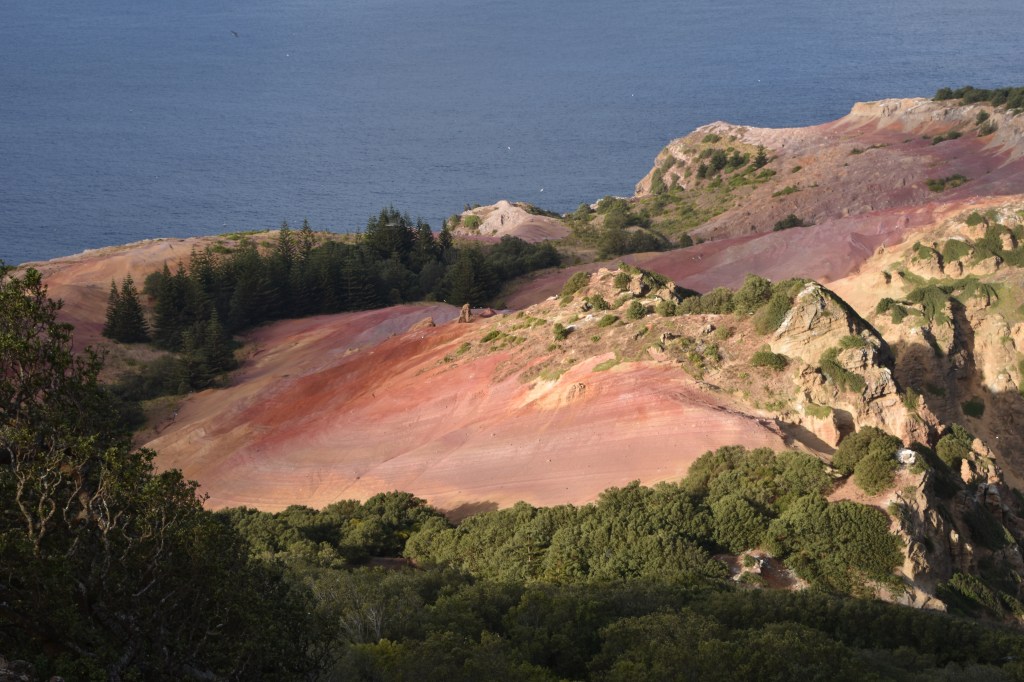
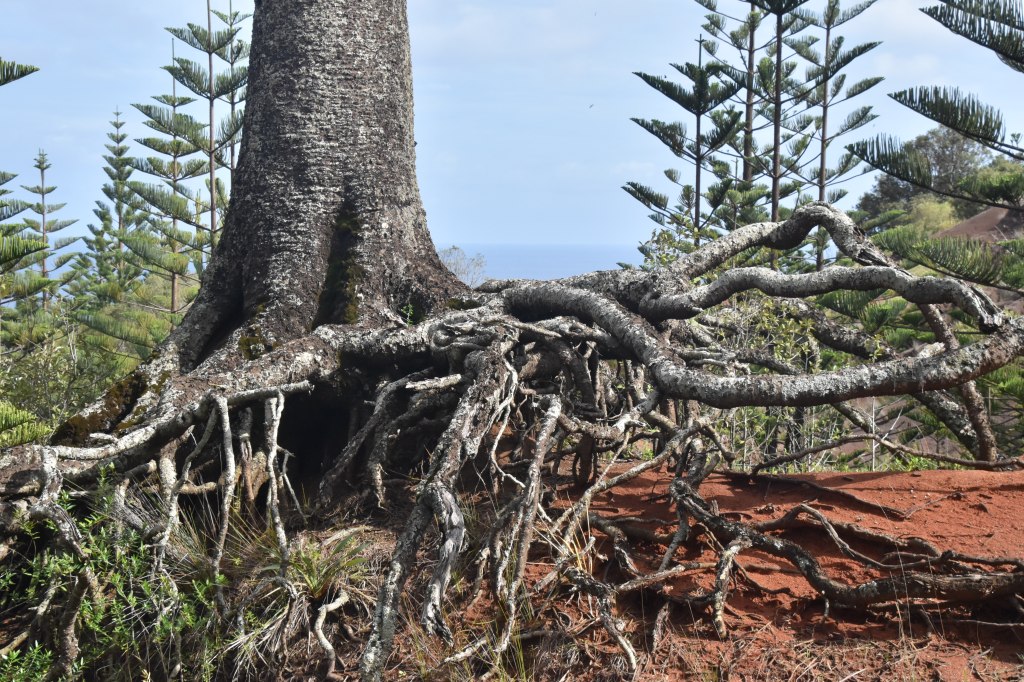
In 1793, pigs were brought to Phillip Island to provide food for Norfolk’s settlers. Apparently, the swine did so well that the government “could distribute pork to 945 settlers four times per week”. Four expeditions to Phillip also collected 430 tropicbirds. Goats and rabbits were introduced to Phillip Island in the 1820’s. Phillip Island became a shooting retreat for British officers and a punishment for the especially bad convicts on Norfolk Island. Fortunately, the Polynesian rats never made it to Phillip Island, likely due to the difficulty of boat access (there are no beaches or anything like a harbour!). Phillip Island was denuded of vegetation.
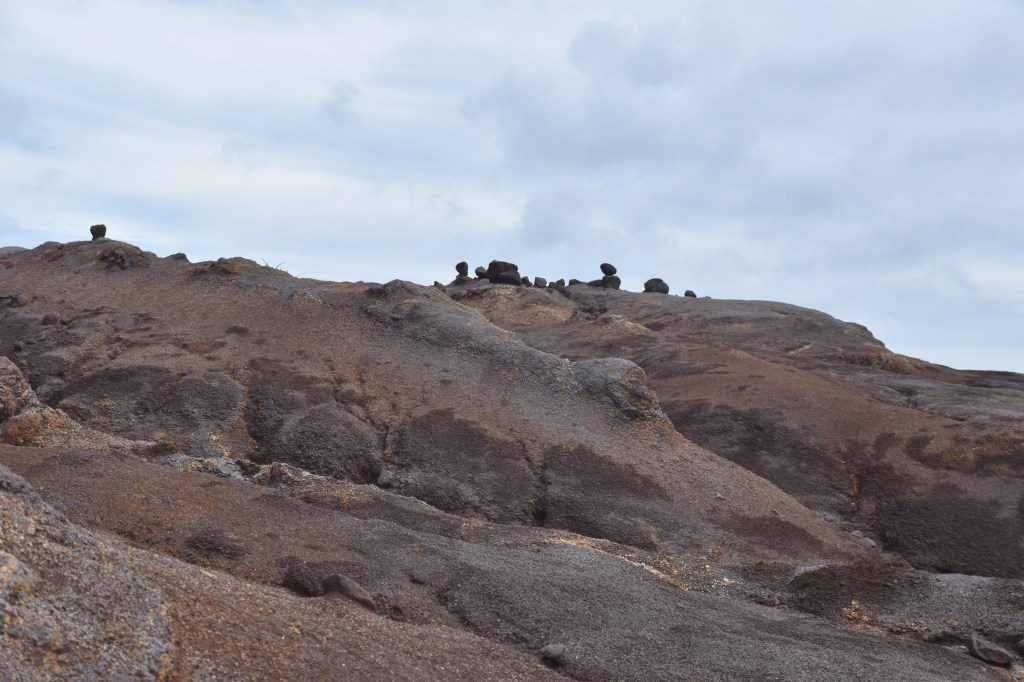
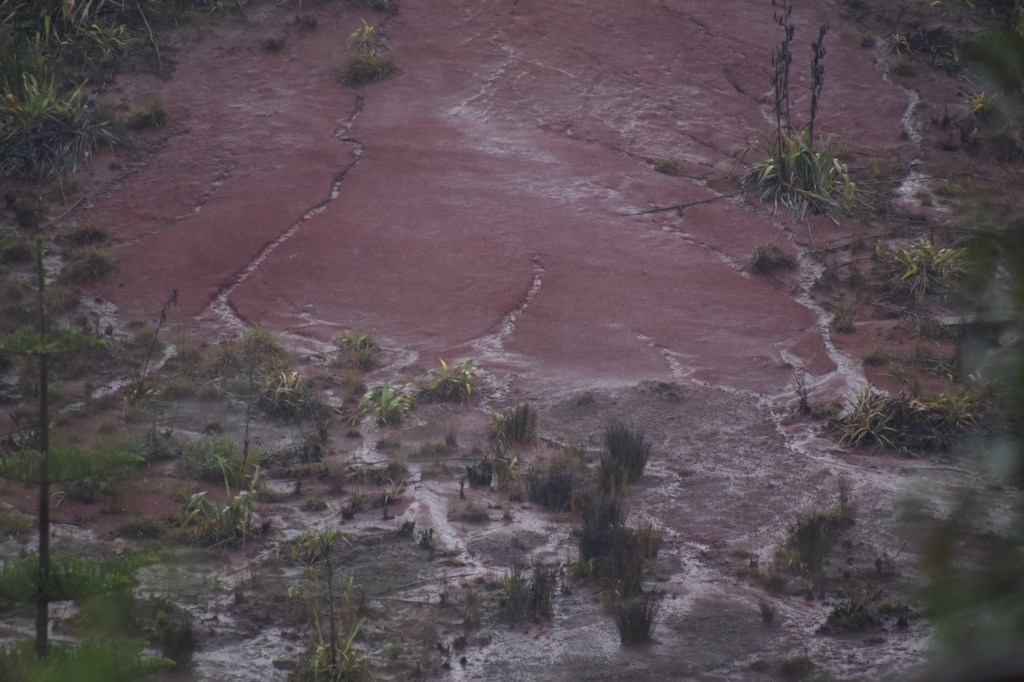
These days, tropical cyclones bring intense rain which erodes the bare hills. Soils wash to the sea. The ever-present winds move the fine substrates into the gullies.
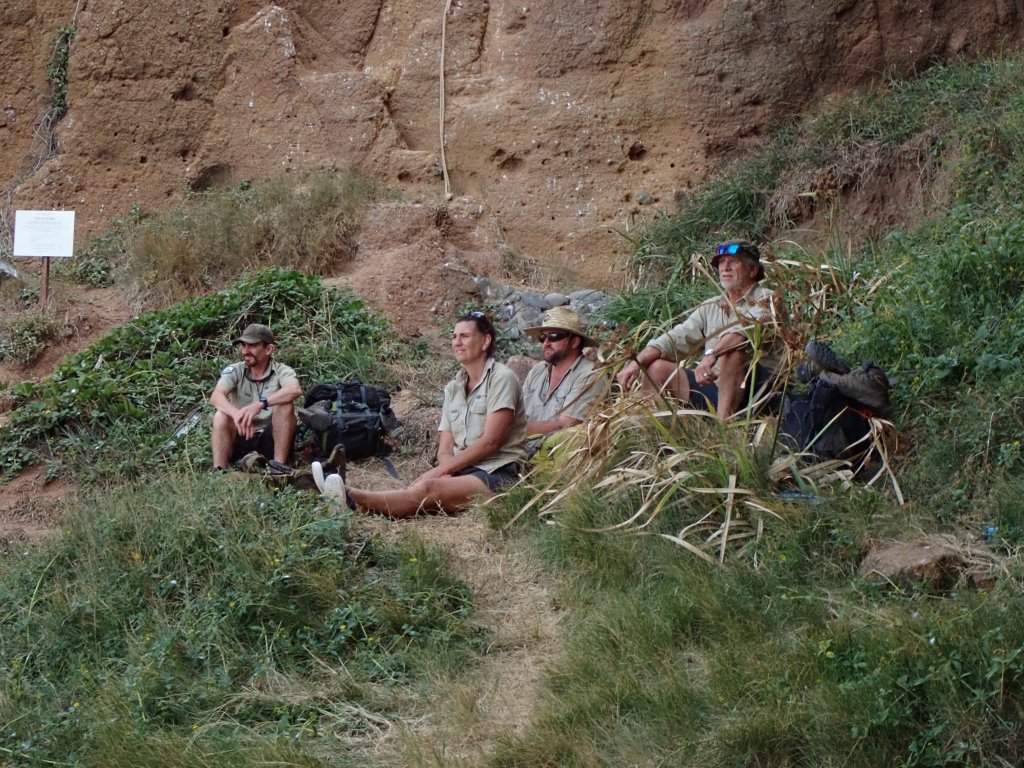
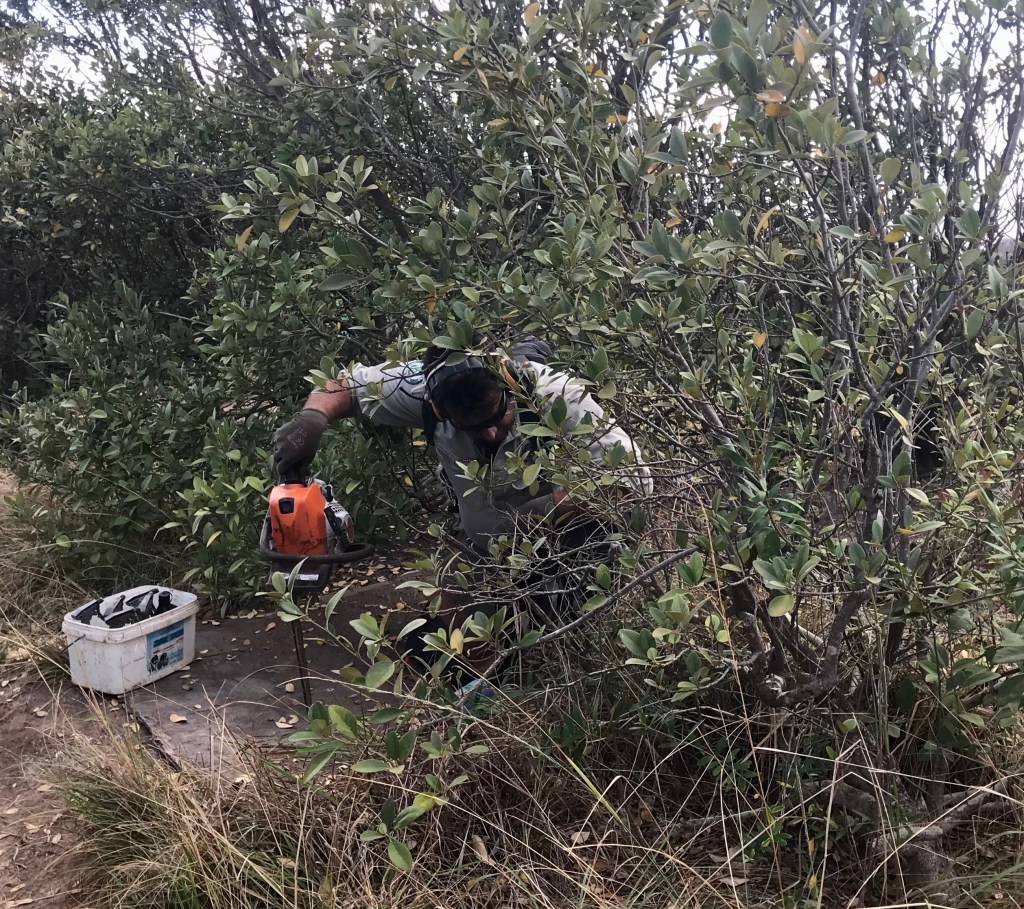
In 1856, Pitcairn Islanders arrived on Norfolk Island and their traditions included harvesting native foods. They came to Phillip to harvest Sooty Tern eggs. Today, the descendants of those mutineers are the Norfolk Island National Park Rangers. They come to Phillip to work on restoration of this unique island.
What changes will Phillip Island see in the future? Climate changes brings more storms, sea-level rise, warm oceans with less productivity. The future is not ours to hold. . . .

 Trudy’s Pacific Adventures
Fascinating Trudy,, thanks Ian
LikeLike
Very interesting! The land shaped by erosion for sure.
LikeLike